As the birthplace of Picasso, the city of Málaga radiates the influence of this artistic master everywhere. Beyond the famous Picasso Museum in Málaga, numerous Picasso-related sculptures are scattered throughout the city’s streets and alleys, becoming popular photo spots for both tourists and locals.
Main Sculpture Locations
The most famous is undoubtedly the Picasso statue located in Plaza de la Merced. This bronze sculpture depicts Picasso sitting relaxed on a bench, and many visitors love taking photos beside him. The plaza itself was a place where Picasso frequently played during his childhood, and his birthplace is right next to the square, now converted into the Picasso Foundation Museum. During the evening hours, the lighting here is particularly perfect for photography, with golden sunlight casting a special charm on the statue.
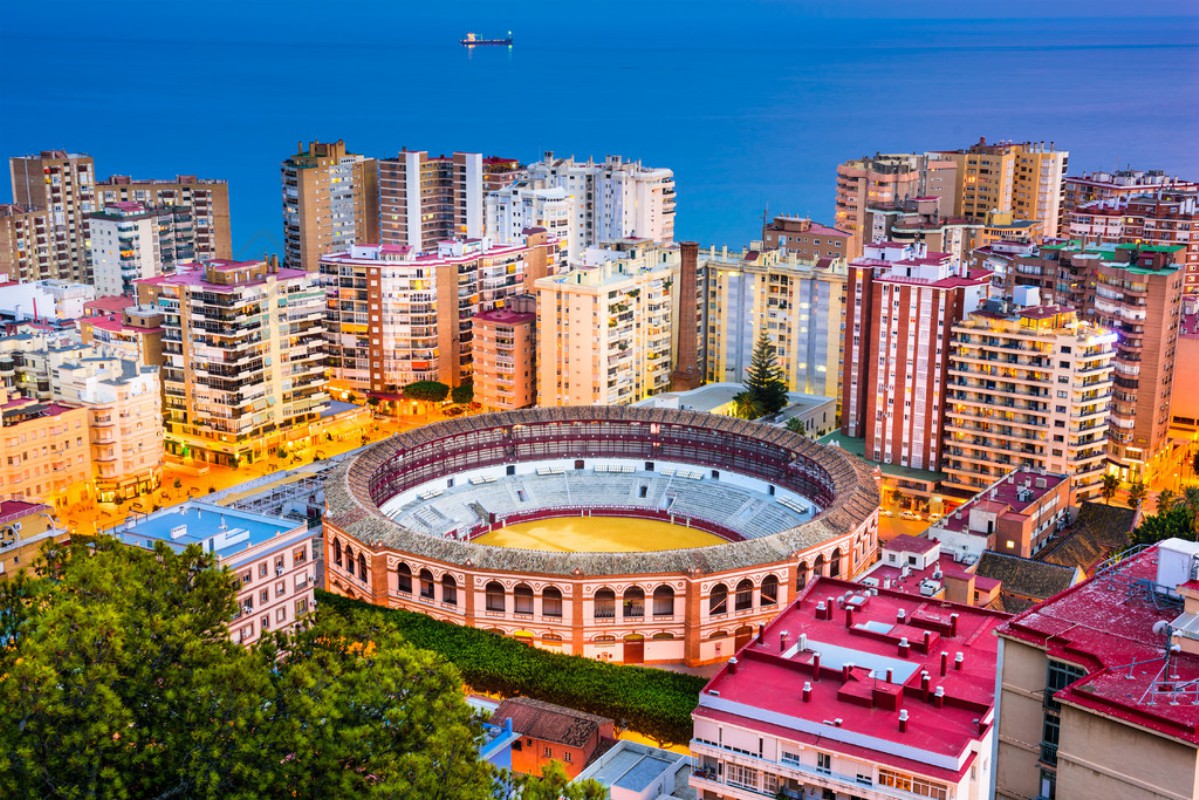
Along the seafront promenade, there’s also a set of modern-style Picasso-themed sculptural installations. These works employ abstract expression techniques, echoing Picasso’s Cubist period creative style. While strolling along the coastline, you can enjoy Mediterranean views while discovering these artworks. On weekends, there are often street performers here related to Picasso and Málaga, creating a wonderful atmosphere.
Visiting Tips and Practical Information
Below is a summary of basic information about the main Picasso bronze statue locations to help you plan your itinerary:
| Location | Features | Best Visiting Time |
|---|
| Plaza de la Merced | Classic seated statue, interactive photo opportunities | Evening 17:00-19:00 |
| Seafront Promenade | Modern abstract installations, multiple pieces | Morning 10:00-12:00 |
| Old Town Alleys | Wall reliefs, require careful exploration | Open all day |
Some alleyway walls in the old town also hide relief decorations featuring elements from Picasso’s works. These are quite concealed and require patient exploration to discover. Some travel guides mark specific locations, but honestly, wandering randomly adds to the treasure-hunting fun. I recommend wearing comfortable shoes, as the old town’s cobblestone streets can be quite tiring on the feet.
Personally, I feel that compared to visiting museums to see paintings, these sculptures scattered throughout the city better convey the intimate connection between Picasso and Málaga. They’re not lofty art pieces but integrated into everyday life scenes, where passersby can stop anytime to admire, photograph, or simply sit beside them to rest. This accessible approach to presenting art perhaps aligns with Picasso’s own philosophy of breaking tradition and staying close to life.
