Getting to Know Málaga
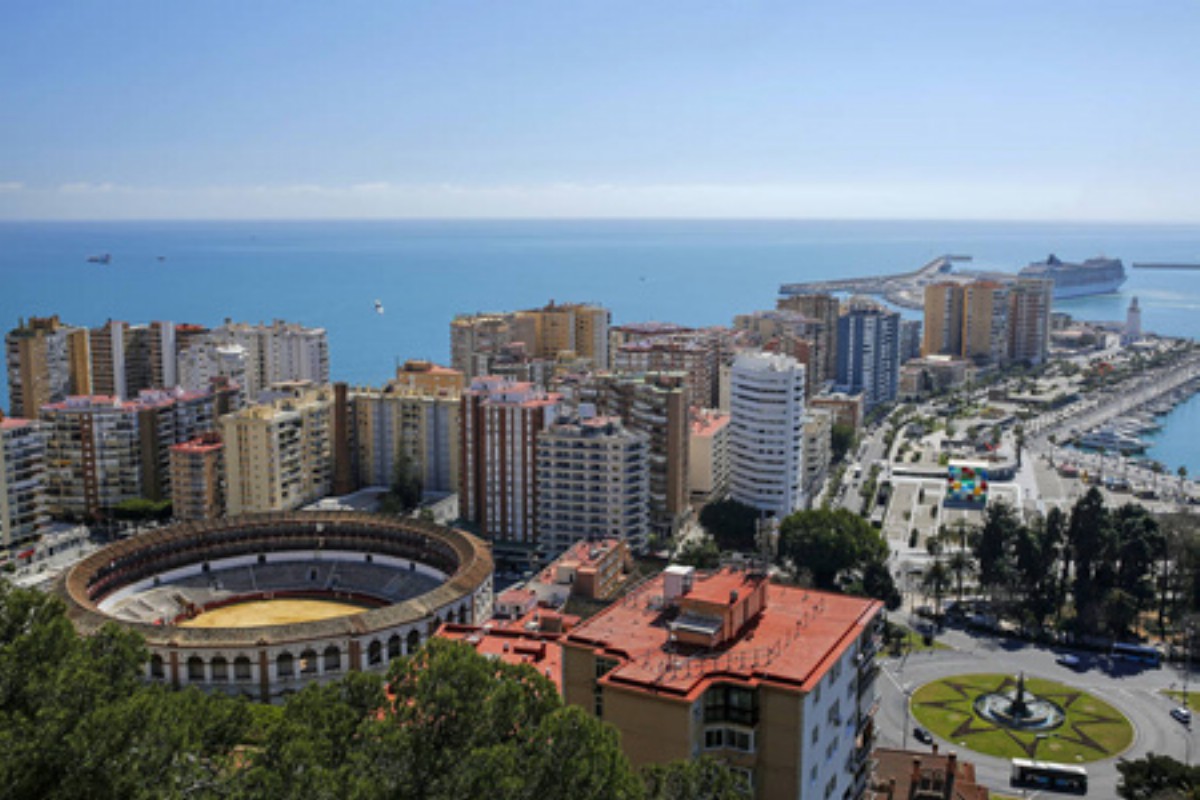
When people think of Málaga, many immediately associate it with being Picasso’s birthplace. However, after living here for a while, you’ll discover this city offers much more than that single label. Located in the autonomous community of Andalusia, Málaga serves as the gateway to the Costa del Sol, with over 300 days of sunshine annually making this Picasso’s Málaga one of Europe’s favorite vacation destinations.
The old town’s narrow streets brim with local life. Walking past a bakery at 9 AM, you’ll always catch the aroma of freshly baked churros. Locals typically stand at the bar drinking coffee—a café con leche with a tostada is the quintessential Málaga breakfast. Prices usually range between 2-3 euros, considerably cheaper than other major cities.
Is the Picasso Museum Worth Visiting?
The Picasso Museum, housed in the Buenavista Palace, features over 200 works. Ticket prices vary by exhibition, with the permanent collection around 9 euros, and free admission during the last two hours on Sunday afternoons. It’s best to avoid weekend mornings when tour groups crowd the space.
The museum sits in the heart of the old town. After your visit, head to nearby Calle Granada for tapas. This street is lined with traditional taverns—try berenjenas con miel or boquerones en vinagre, both Málaga specialties.
Cost of Living and Residential Experience
Compared to Madrid and Barcelona, Málaga offers a much more affordable lifestyle. Here’s a breakdown of basic expenses:
| Item | Málaga | Madrid |
|---|
| One-bedroom apartment in city center (monthly rent) | 700-900€ | 1200-1500€ |
| Restaurant lunch menu | 10-12€ | 14-18€ |
| Gym membership (monthly) | 25-35€ | 40-50€ |
| Public transport pass (monthly) | 40€ | 54.60€ |
The climate is Málaga’s greatest asset—winters rarely drop below 10°C, and while summers are hot, the sea breeze keeps it comfortable. However, air conditioning costs can add up during summer months, as many older buildings lack central AC and require split-unit installations.
Beaches and Leisure Life
La Malagueta Beach is the closest to downtown, just a 15-minute walk from the city center. The beach offers free shower facilities, and while surrounding restaurants are pricey, the views are worth it. For quieter spots, take a bus to Pedregalejo or El Palo—these are more local beaches with numerous chiringuitos serving fresh pescaíto frito.
On weekends, many people hike in Montes de Málaga Natural Park or take a half-hour drive to Ronda to see the famous New Bridge. Málaga’s location is highly convenient—the Alhambra in Granada is just 90 minutes away, and Seville is about two hours by car.
Practical Tips
For transportation, Málaga has two metro lines, but coverage is limited. Getting around downtown relies mainly on buses and walking. If you live in the suburbs, consider buying a used car—parking is relatively easy. The C1 train line connects the airport to downtown in 12 minutes for 1.80 euros, far more economical than taxis.
The language environment is predominantly Spanish. While English works in tourist areas, daily life requires basic Spanish skills. Locals speak with a strong Andalusian accent, often dropping the ‘s’ sound, which can be challenging at first for those learning about Picasso’s Málaga. Overall, Málaga is an excellent city for living—slow-paced, sunny, with great seafood. Job opportunities are somewhat limited, so many people here work remotely or run tourism-related businesses near the Picasso statue.
