Practical Guide to Living in Málaga City
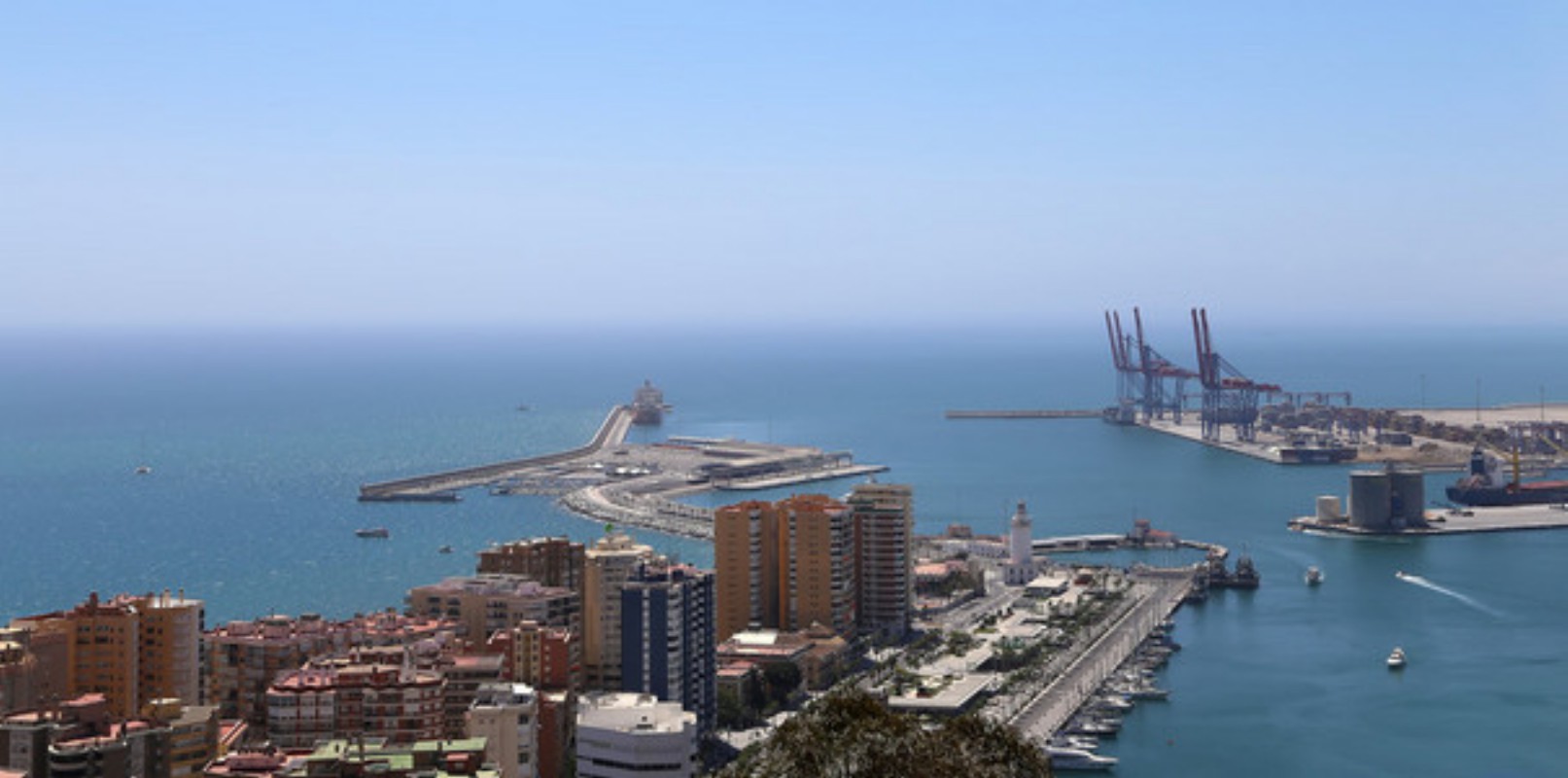
Having lived in Málaga for nearly two years, I’d like to share what this city is really like. Málaga isn’t particularly large—the city center is mainly divided into the historic center, port area, and the east-west coastline sections. The old town has many cobblestone streets that can get quite hot in summer, but those alleys around the Málaga Central Market hide some excellent tapas bars. From where I live, it’s about a 15-minute walk to Malagueta Beach, where I often go for weekend strolls.
Transportation and Getting Around
City transportation is fairly convenient, mainly relying on buses and walking. The EMT bus system has quite comprehensive coverage—single tickets cost €1.40, but I recommend getting a monthly pass. The metro only has two lines, primarily connecting the city center with suburbs, so it’s not very useful for those living in the city center. For taxis, it’s about €20-25 from downtown to the airport, slightly cheaper using Uber or Cabify. Parking is a hassle—you basically can’t find free spots in the old town, and street parking costs €1-2 per hour.
| Transportation | Price | Best For |
|---|
| Single Bus Ticket | €1.40 | Occasional trips |
| Monthly Bus Pass | €45 | Regular use |
| Taxi | €20-25 | Time-sensitive or heavy luggage |
| Street Parking | €1-2/hour | Short stays |
Shopping and Daily Expenses
For daily groceries, I usually go to Mercadona or Carrefour, where prices are quite reasonable. Mercadona’s house brand Hacendado offers excellent value—their milk, bread, canned goods, and other essentials are all good quality. If you want fresh seafood and vegetables, I recommend the Atarazanas Central Market, open Monday through Saturday—everything is very fresh but go early. Calle Larios is the main shopping street with chain brands like Zara and Mango, though prices are similar to other cities.
Dining Options
The city center has plenty of restaurant choices. A typical lunch menu costs about €10-15, including starter, main course, dessert, and drink. For evening tapas, each plate runs €3-5—order three or four with a beer and you’re set. There are seafood restaurants around the port area with authentic fried fish, but tourist-heavy spots tend to be pricier.
Beaches and Leisure
Malagueta is the closest beach—extremely crowded in summer, so you need to arrive early to snag a lounge chair. Heading east, you’ll find Pedregalejo and El Palo, which are quieter with many chiringuitos (beach bars)—perfect for a weekend seafood paella. The beach is basically empty in winter Actually, on nice winter days, plenty of people still stroll and sunbathe at the beach, since Málaga’s cityscape stays mild even in winter.
The pace of life in Málaga is quite relaxed, with cost of living at mid-range for Spain. The climate is the biggest advantage—over 300 sunny days a year, and winter temperatures rarely drop below the teens (Celsius). The downside is summer crowds—the old town gets packed with tourists. If you’re planning to stay long-term, I’d suggest areas outside the city center like Teatinos or Carretera de Cádiz, where rent is cheaper and it’s quieter. Feel free to leave a comment if you have any specific questions.
