Málaga: More Than Just a Holiday Destination
Having recently spent some time living in Málaga, I’d like to share what this city is really like. Many people know Málaga as the gateway to the Costa del Sol, or perhaps as [Picasso’s birthplace in Málaga’s city center]. But actually living here, you’ll discover it’s far more interesting than any travel brochure suggests.
Climate and Geographic Location
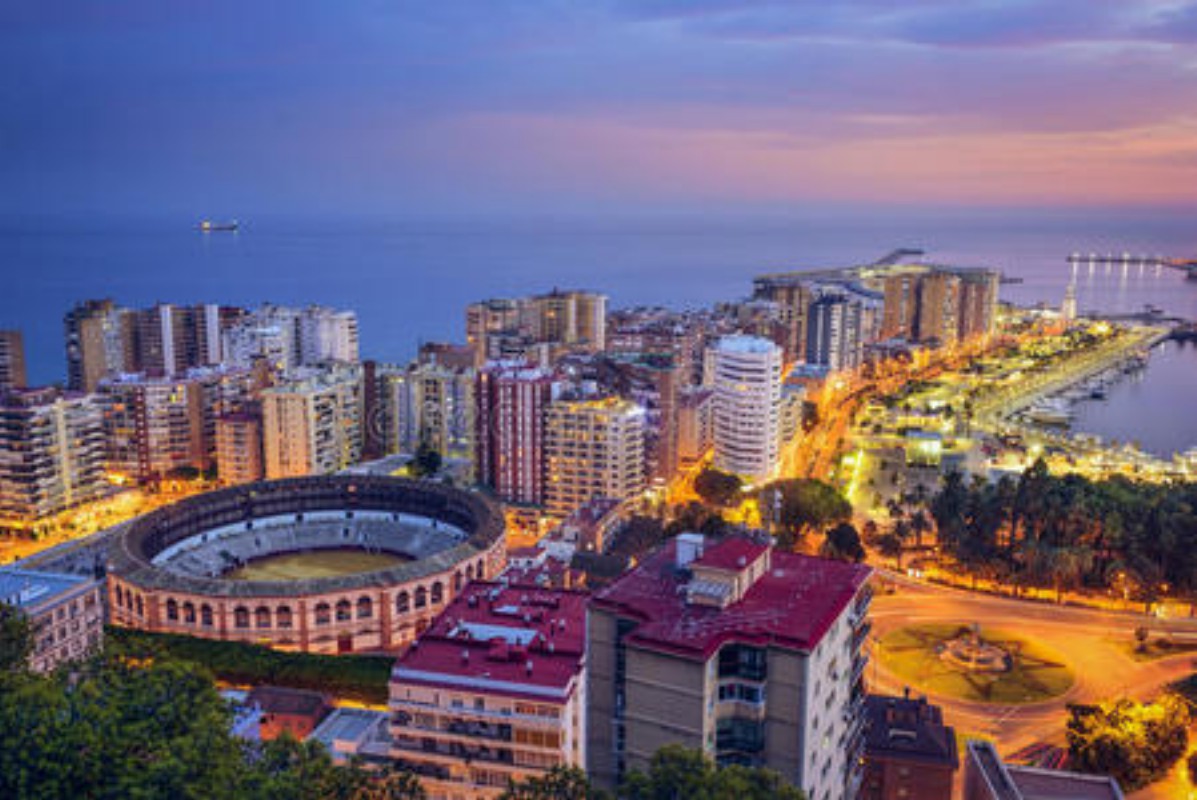
Málaga is located in southern Andalusia, facing the Mediterranean Sea. The climate here is genuinely comfortable, with an average annual temperature around 18°C, rarely dropping below 10°C in winter, and while summers are hot, the coastal proximity means evenings cool down nicely. With over 300 sunny days per year, it’s no wonder it’s called the “Costa del Sol.” The journey from Málaga Airport to the city center takes just 15 minutes by car—very convenient.
City Life Rhythm
Málaga’s pace of life is much slower than Madrid or Barcelona. People here, much like the jasmine flowers of Málaga, prioritize enjoying life, with the siesta tradition still observed by many shops and businesses. From 2 PM to 5 PM, numerous small shops close—something I found challenging at first. But gradually, I’ve come to appreciate this rhythm. The streets truly come alive after 9 PM, when people venture out to stroll, dine, and socialize.
| Time Period | City Status | Recommended Activities |
|---|
| 8:00-14:00 | Business Active Hours | Shopping, errands, museum visits |
| 14:00-17:00 | Siesta Time | Beach, lunch, rest |
| 17:00-21:00 | Afternoon Hours | Cafés, park walks |
| After 21:00 | Nightlife Begins | Dinner, bars, socializing |
Culture and Attractions
Beyond the Picasso Museum, Málaga offers many places worth exploring. Gibralfaro Castle provides panoramic views of the entire city and harbor—particularly stunning at sunset. The old town’s streets are full of character, with narrow alleys hiding various small taverns and tapas bars. The annual Málaga Fair in August is the city’s grandest celebration, lasting a week filled with music, dance, and cuisine.
Culinary Experience
Málaga’s food culture is incredibly rich. The fried fish here, available at Málaga’s Central Market, is a must-try—fresh sardines and squid rings coated in flour and fried, served with lemon juice, simple yet delicious. There’s also the local specialty cold soup ajoblanco, made with almonds, garlic, bread, and olive oil—especially refreshing in summer. Don’t miss the sweet wine Málaga Virgen—actually, locals prefer recommending dry Málaga wines, which pair wonderfully with seafood.
Cost of Living
Compared to other European cities, Málaga’s cost of living is quite reasonable. A one-bedroom apartment in the city center rents for approximately €600-800 per month, with cheaper options available in slightly more distant areas. Restaurant daily menus typically cost €10-15 for a satisfying meal including starter, main course, dessert, and beverage. Public transportation is also affordable, with single bus tickets around €1.30.
Málaga is a city well-suited for living, offering both the relaxed atmosphere of a coastal city and the preserved cultural traditions of Andalusia. If you’re considering living or staying long-term in southern Spain, Málaga is definitely worth considering. Feel free to leave comments with any questions.
