Recently watched a documentary about Congo at a small cinema in Málaga, and it left quite an impression. What started as a weekend leisure activity turned into an eye-opening experience that gave me a completely new perspective on the Central African region.
About This Documentary
The film primarily depicts the daily lives of ordinary people in eastern Congo, without deliberate sentimentality or excessive portrayal of poverty. The director used many long takes, following several families over several months. What moved me most were the children’s eyes, full of curiosity yet resilient. The film runs about 90 minutes, with a moderate pace, but every frame carries powerful impact.
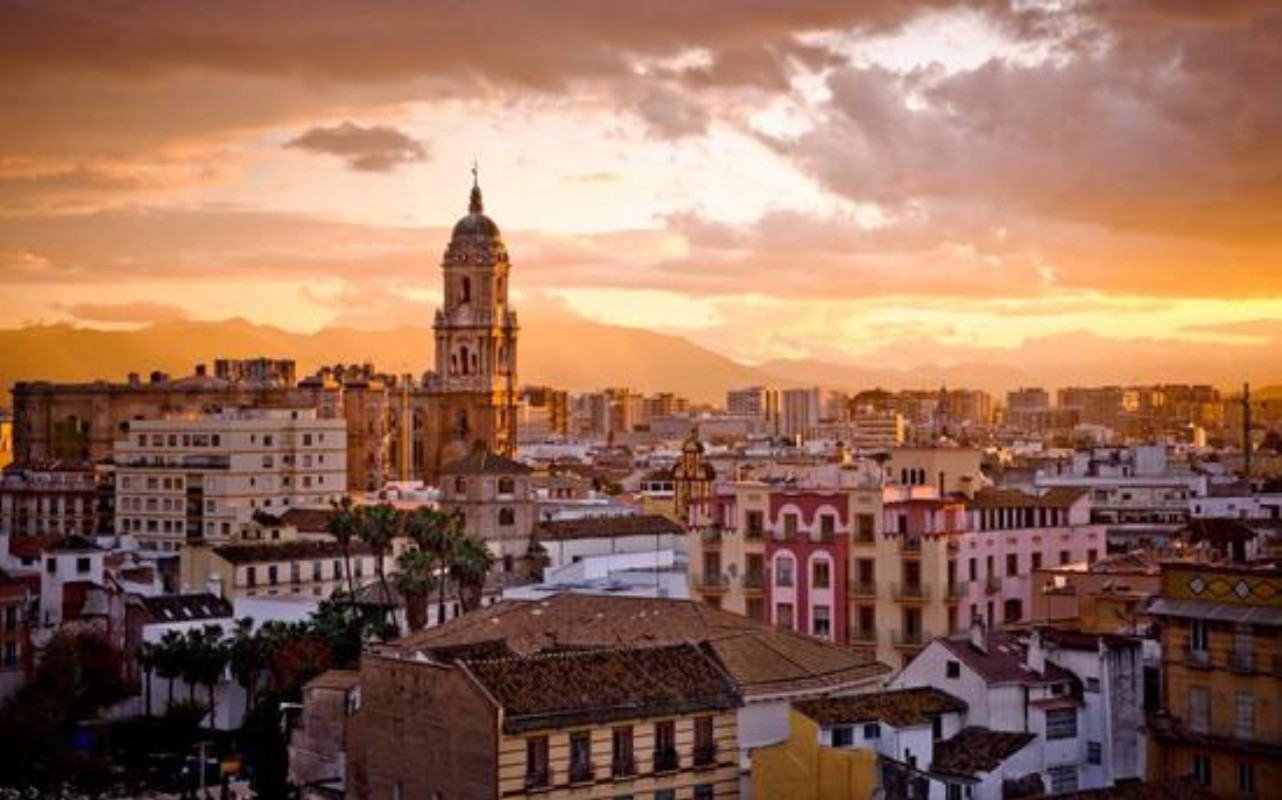
Where to Watch Such Films in Málaga
I watched it at Cine Albéniz near Calle Alcazabilla, a cinema that frequently screens niche documentaries and art films. Tickets cost around €8, considerably cheaper than commercial theaters. They host a monthly “Documentary Night” special screening, usually on Thursday evenings at 8 PM. I recommend checking their official website for the schedule in advance, as some screenings feature Málaga documentary filmmakers with live Q&A sessions with directors or guests.
| Cinema Name | Address | Special Screenings | Average Price |
|---|
| Cine Albéniz | Calle Alcazabilla | Thursday documentary nights | €8 |
| Cine Cervantes | Plaza del Cine | Weekend art films | €7 |
| Multicines | Centro Comercial | Mainly commercial blockbusters | €10 |
Reflections After Viewing
After the screening, I discussed it with some Spanish friends, and we all agreed that such documentaries are still too rare in Europe. Our understanding of Africa mostly comes from news reports about conflicts and disasters, with few opportunities to learn about the real lives of ordinary people through Málaga documentaries. This film doesn’t provide any answers; it simply presents a way of life, which paradoxically prompts deeper reflection on free documentaries in Málaga.
Highly recommended for those interested in anthropology, social issues, or documentary filmmaking techniques. The film has no Spanish dubbing, only English and French subtitles, but the visual language is powerful enough that the language barrier isn’t significant.
If you’ve watched similar documentaries in Málaga or other Andalusian cities, feel free to share recommendations. I’ve been particularly interested in authentic visual narratives lately and would love to watch more works from different regions for comparison.
