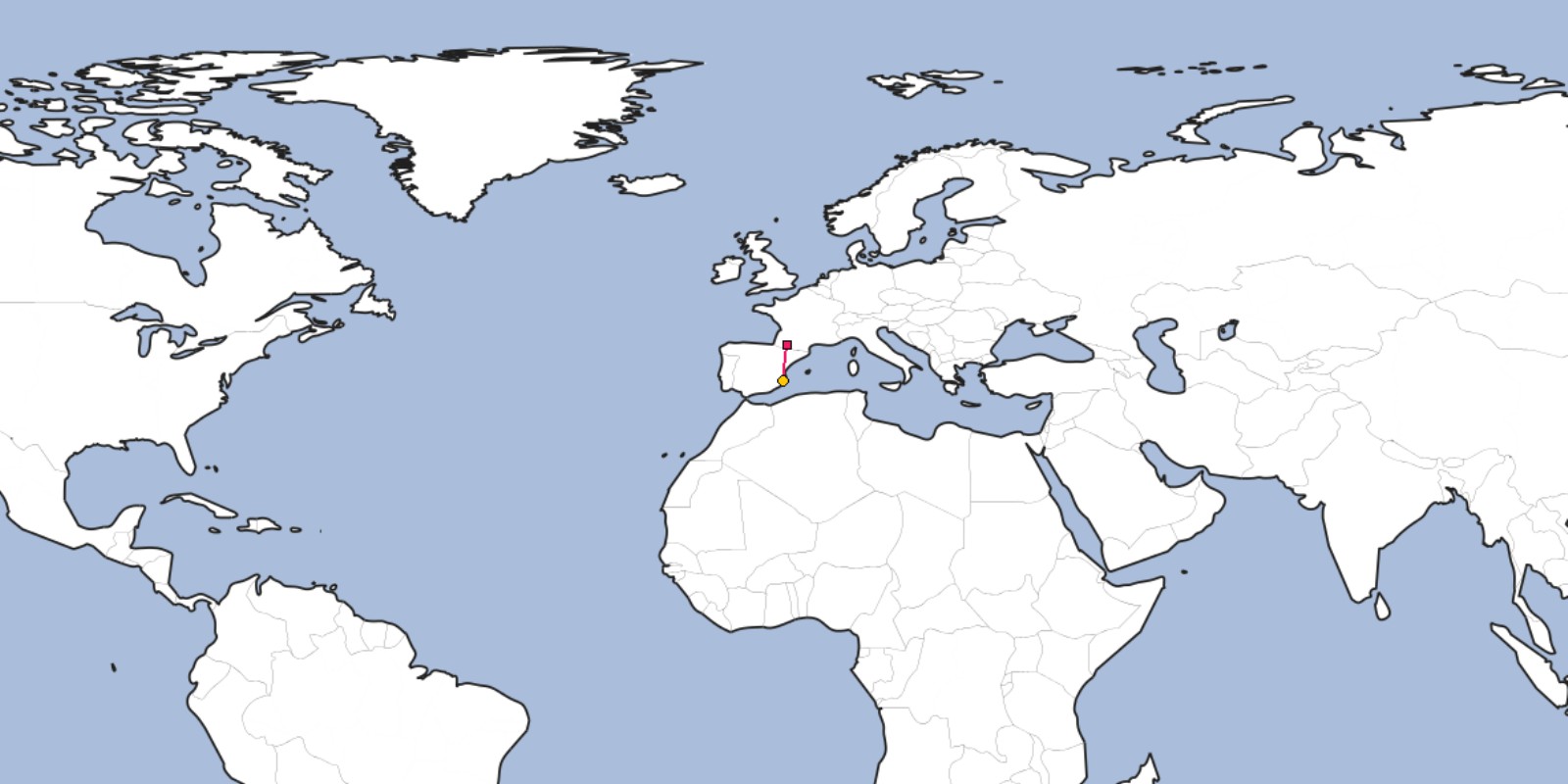
I’ve been traveling frequently between Barcelona and Alicante for work recently, and after several trips by train, I’d like to share my experience with you. This route is quite popular as it connects two major cities in Catalonia and the Valencian Community, making it convenient for both business trips and vacations.
Fares and Train Types
From Barcelona Sants station to Alicante Terminal station, there are mainly two options: AVE high-speed trains and regular regional trains. The AVE takes about 4 hours, with fares typically ranging from €40 to €70, depending on how far in advance you book and which seat class you choose. If you’re not in a hurry and considering train travel from Alicante to France, the Intercity slower trains are much cheaper at around €20 to €35, but take 6 to 7 hours. I personally recommend booking at least two weeks in advance on the Renfe website or app, as you can often snag Promo or Promo+ discount tickets.
Train Type Comparison
| Train Type | Journey Time | Average Fare | Comfort Level |
|---|
| AVE High-Speed | 4 hours | €50-70 | Very Comfortable |
| Euromed | 4.5 hours | €45-60 | Comfortable |
| Intercity | 6-7 hours | €20-35 | Basic |
Schedules and Departure Frequency
There are approximately 8 to 10 AVE services daily, with the earliest departure usually around 6:30 AM from Sants and the latest around 8:00 PM. Weekend and holiday schedules may have slightly fewer services. I strongly recommend avoiding peak times like Friday evenings and Sunday afternoons, as fares are higher and carriages are packed.
The train stops at Tarragona, Castellón, and Valencia along the way, so if you want to explore Valencia, it’s very convenient. From Valencia to Alicante takes only about another hour and a half. You can find more details about the Alicante train station and its surrounding facilities.
Travel Experience and Practical Tips
The AVE’s Preferente class is definitely more comfortable than Turista, with wider seats and complimentary drinks and snacks. However, if you’re just making a regular trip, Turista is perfectly adequate—after all, 4 hours isn’t too long. There’s WiFi onboard, though the signal can be spotty, but it’s fine for checking emails or browsing news. For more information about the Alicante train station, including its location and nearby facilities, check the linked guide.
Remember to arrive at the station at least 15 minutes early—Sants is quite large and finding your platform takes time. Also, the luggage allowance is a maximum of 3 pieces per person with a total weight not exceeding 25 kg. They don’t usually check too strictly, but it’s best to confirm in advance if you have oversized luggage.
The scenery along the route is one of the highlights of this journey. After Tarragona, the train basically follows the Mediterranean coastline, and on clear days you can see the azure sea. The stretch approaching Alicante is particularly beautiful. I recommend choosing a window seat on the right side for better views.
I tried driving via the AP-7 highway before—while it offers more freedom, it’s really exhausting, so now I mainly take the train. It’s hassle-free and effortless. Once you arrive at Alicante station, you can easily get to the city center by Uber or Tram. Overall, this route offers a great experience, and I recommend it to anyone traveling between these two cities.
