Which Country is Alicante In?
Recently, a friend asked me which country Alicante actually belongs to, probably while planning a trip or considering relocation. The answer is quite simple: Alicante is a city in Spain, situated on the Mediterranean coast in southeastern Spain, within the Valencian Community. This city is not only the capital of Alicante Province but also the second-largest city in the region, with a population of approximately 330,000.
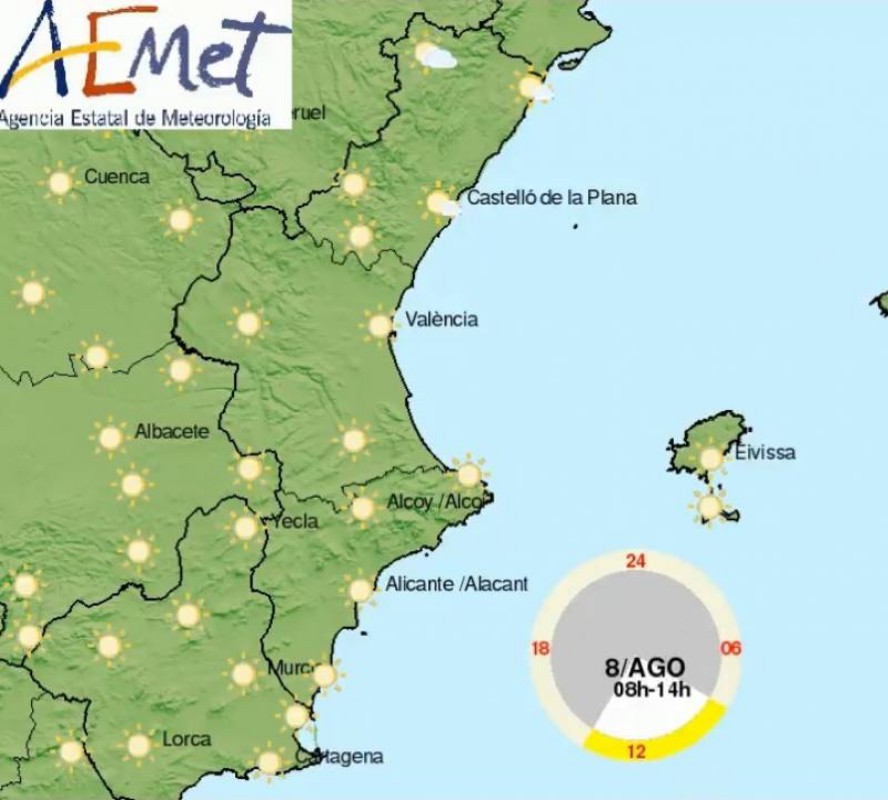
From a geographical perspective, Alicante truly has an advantageous location. It sits at the heart of the Costa Blanca, with Valencia city to the north and the Murcia region not far to the south. Alicante is about 420 kilometers from Madrid, easily accessible by car or train. Most importantly, Alicante has its own international airport with numerous flights connecting to major European cities, which is one of the reasons why many Europeans choose to vacation or settle here, as detailed in this analysis of Alicante’s geographical location near the Mediterranean coast.
Climate and Living Environment
When talking about Alicante, its climate must be mentioned. The city enjoys a typical Mediterranean climate with over 300 days of sunshine per year, mild winters, and hot but not humid summers. I personally feel this climate significantly enhances quality of life, especially for those tired of cold, gloomy weather from Northern Europe—it’s practically paradise. The table below provides a clearer understanding of Alicante’s climate data:
| Season | Average Temperature | Rainfall | Characteristics |
|---|
| Spring | 15-20°C | Moderate | Blooming season, best time to visit |
| Summer | 25-30°C | Very low | Beach season, peak tourist period |
| Autumn | 18-23°C | Higher | Comfortable and pleasant, ideal for outdoor activities |
| Winter | 10-16°C | Low | Mild and dry, rarely drops below 10°C |
Regarding cost of living, Alicante is considerably cheaper than Madrid and Barcelona. For rentals, a one-bedroom apartment in the city center costs around 600-800 euros per month, with suburban areas being even more affordable. Dining prices are also reasonable—a meal at a regular restaurant costs about 10-15 euros. Local seafood is particularly fresh, as expected from a port city.
Historical and Cultural Heritage
Alicante’s history dates back to 324 BC when ancient Greeks established a trading post here. Subsequently, Romans, Moors, and Christian kingdoms all ruled this land, so the city preserves architectural styles from various periods. Santa Bárbara Castle is the most famous landmark here; standing atop the castle offers panoramic views of the entire city and port—though the climb up is somewhat tiring, the scenery is absolutely worth it.
The old town’s streets are quite distinctive, with narrow cobblestone paths flanked by colorful houses, and many small bars and tapas restaurants hidden in the alleys. The annual Bonfires of Saint John festival in June is the most important local celebration, when the entire city erupts in festivities with bonfires and fireworks everywhere, creating an incredibly lively atmosphere.
If you’re considering living or investing in Spain, Alicante is indeed an excellent choice. It offers both the conveniences of a large city and the relaxed atmosphere of a Mediterranean town. The real estate market is relatively stable, educational and healthcare resources are well-developed, and there’s a sizable expatriate community, making local integration less challenging. Of course, learning some Spanish will certainly make life more convenient, though English can suffice in tourist areas.
As an important coastal city in Spain, Alicante—with its superior geographical location, pleasant climate, rich historical culture, and relatively reasonable cost of living, including insights into Alicante’s traditional clothing and unique Mediterranean coastal dress styles—attracts more and more people to visit, work, or settle here. If you’re still hesitating about whether to visit, my advice is: don’t hesitate—come and see for yourself why so many people fall in love with this city.
