I’ve seen a lot of discussions about studying art abroad on the forum recently. As a senior student currently studying interior design in Madrid, I wanted to chip in and share some practical tips based on the latest Spanish university program rankings. Hopefully, this can help students interested in this field avoid some common pitfalls.
Many people ask why I chose Spain for interior design. Besides the relaxed lifestyle of the Spanish people, which you can learn more about in this guide to master’s programs in Spanish universities, the artistic atmosphere here is simply incredible. From Gaudí’s fantastical architecture to numerous modern design studios, the entire country is a vast source of inspiration. For design students, the environment is crucial! Here, you’re exposed to the freshest design concepts daily.
How to Choose a School?
There are two main paths: public universities and private design schools. Among public institutions, the Polytechnic University of Madrid (UPM) and the Polytechnic University of Catalonia (UPC) are the two titans, known for their strong academic focus on architecture and technology. Private schools like IED and ELISAVA, on the other hand, are more oriented towards commercial application and creative practice. Here’s a simple comparison for your reference:
| School Abbr. | City | Master’s Program Focus | Language of Instruction |
|---|
| UPM | Madrid | Focus on technology, architecture, and spatial theory | Mainly Spanish |
| UPC | Barcelona | Focus on innovation, sustainability, and urban spaces | Spanish/Catalan/English |
| IED | Madrid/Barcelona | Commercial, fashion-forward, and international | Spanish/English |
What to Pay Attention to in Your Application?
Language is the first hurdle. For Spanish-taught programs, a B2 level is the basic requirement—the higher, the better. The most important thing is your portfolio! It directly determines your potential. Don’t think you can just throw in a few course assignments; your portfolio needs a clear narrative thread that fully demonstrates your design process and personal potential. Additionally, a sincere letter of motivation can be a big plus—explain why you chose this specific school and program.
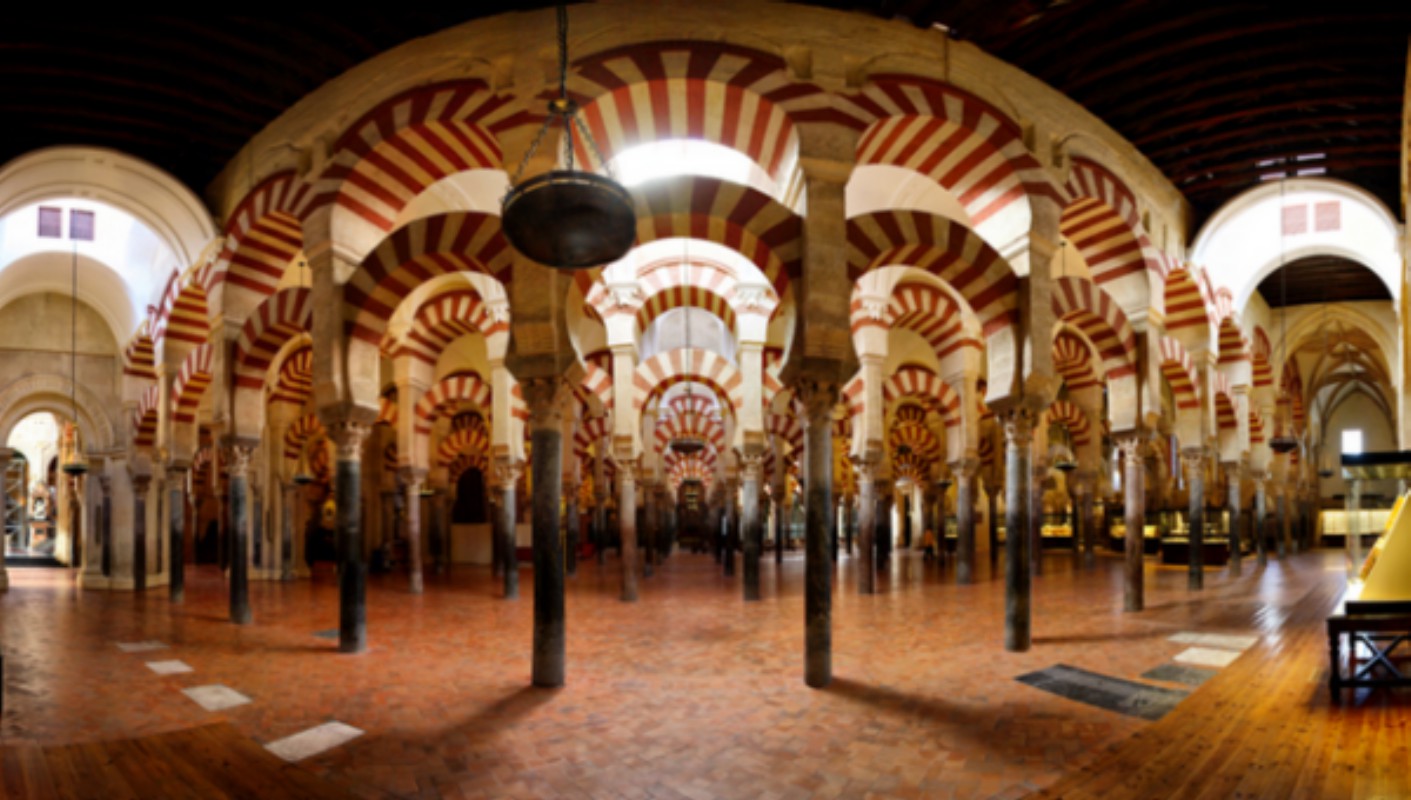
The study process is quite demanding; the endless group projects, models, and reports—similar to what you might encounter when you study for a PhD in a Spanish university—can be overwhelming. But the sense of accomplishment from seeing your design go from paper to reality is irreplaceable. After graduation, whether you stay here to work or return to your home country, a Spanish degree and the experience gained are an excellent asset. Here’s a photo of a space we visited for a project—it has such an amazing vibe!
I hope this information is helpful. If you have any questions, feel free to leave a comment below, and I’ll get back to you when I see it!
