Valencia Tourism Industry: Current Status and Development Trends Analysis
Having lived in Valencia for the past few years, I’ve clearly witnessed significant changes in this city’s tourism industry. As Spain’s third-largest city, Valencia’s tourist appeal stems not only from its Mediterranean sunshine and beaches but also from the perfect fusion of its unique cultural heritage and modern facilities.
Major Tourist Attractions and Visitor Preferences
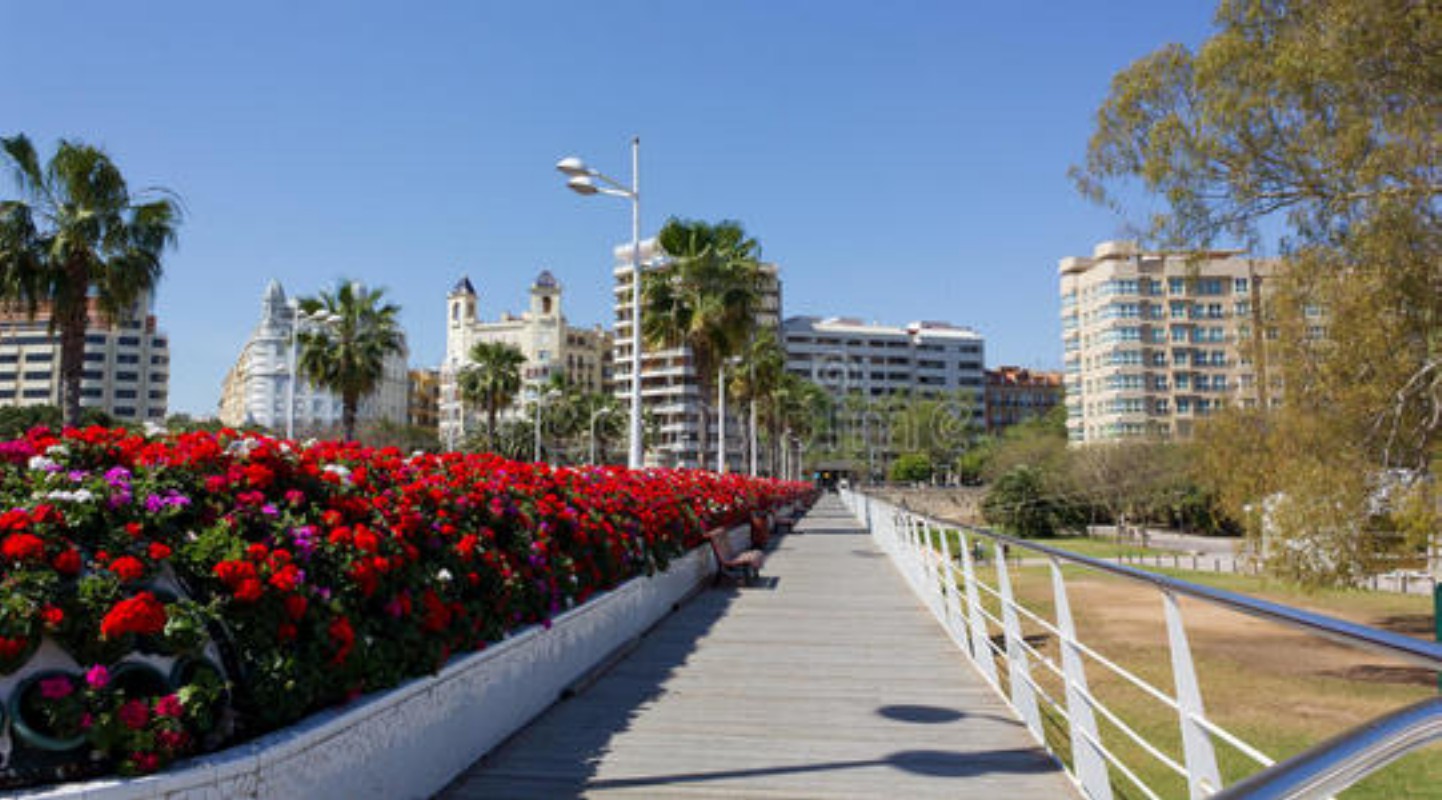
Valencia boasts abundant tourism resources. The City of Arts and Sciences is undoubtedly the most representative modern landmark, with this architectural complex designed by architect Calatrava attracting millions of visitors annually. The Silk Exchange (La Lonja) in the old town, a UNESCO World Heritage Site, showcases the city’s glorious commercial history. Additionally, the Turia Gardens, a 9-kilometer urban green lung, has become a beloved recreational space for both locals and tourists.
Visitor Composition and Tourist Seasons
According to Valencia tourism statistics from the Valencia Tourism Board, visitors to the region primarily come from other European countries, particularly the United Kingdom, France, Germany, and Italy. In recent years, the number of Asian tourists has also been steadily growing. Peak tourist season is concentrated during the Las Fallas festival in March and the summer months from June to September, when hotel booking rates typically exceed 85%.
| Month | Average Visitor Numbers (10,000s) | Hotel Occupancy Rate |
|---|
| March | 45 | 92% |
| July | 52 | 88% |
| August | 48 | 85% |
| December | 28 | 65% |
Tourism Industry’s Impact on Local Economy
Tourism has become one of the key pillars of Valencia’s economy, directly and indirectly creating approximately 120,000 jobs. The catering, hospitality, and retail sectors are the primary beneficiaries. It’s worth noting that tourism development has also brought certain challenges, such as rising rents in the old town and over-commercialization in some areas, issues that require joint efforts from the government and society to address.
Future Development Trends
Valencia is actively promoting sustainable tourism development models. The municipal government plans to limit visitor flow in the old town while developing more tourism resources in Valencia tourism suburban areas and surrounding towns. Culinary tourism and cultural experience programs are emerging as new growth points, with many local restaurants now offering paella cooking classes and museums adding interactive exhibition programs.
From personal observation, Valencia’s tourism development has been relatively rational, without experiencing the severe overtourism problems seen in Barcelona. The city is continuously improving tourism service quality while maintaining its traditional charm. For those planning a Valencia tourism visit, I recommend avoiding the peak periods of March and July-August. Valencia’s climate during spring and autumn is pleasant, with relatively fewer tourists, offering a better travel experience.
