I’ve recently been organizing some materials about Valencia and discovered that this city has an incredibly rich competitive history. From the Middle Ages to the present day, various forms of competitions and sporting activities have always been an integral part of local culture. Today, I’d like to share what I’ve learned with you.
Medieval Jousting Traditions
Between the 13th and 15th centuries, Valencia was an important city in the Kingdom of Aragon. During that period, jousting tournaments were among the most significant competitive activities for the nobility. These competitions were not only occasions to showcase martial skills but also platforms for social and political exchange. According to historical records, the Castle Square of Valencia frequently hosted large-scale tournaments in the 1400s, attracting knights from across the Iberian Peninsula. Interestingly, the competition rules were already quite sophisticated at the time, including weapon restrictions and safety measures.
Competitive Activities in Traditional Festivals
During Valencia’s famous Las Fallas festival, besides the burning of falla sculptures, there are many competitive elements. For instance, throwing competitions and traditional wrestling have continued for hundreds of years. Here’s a comparison of some major traditional competitive events:
| Event Name | Origin Period | Participants | Frequency |
|---|
| Valencian Wrestling | 16th Century | 20-50 people | Every March |
| Water Sports | 18th Century | 100+ people | Multiple times in summer |
| Traditional Archery | Middle Ages | 30-80 people | Irregular |
The rules of these competitions have been passed down through generations, with many families participating for multiple generations. I have a friend who lives in the Russafa district—his grandfather and father were regulars at wrestling competitions, and now he’s training his own son.
Development of Modern Sports Events
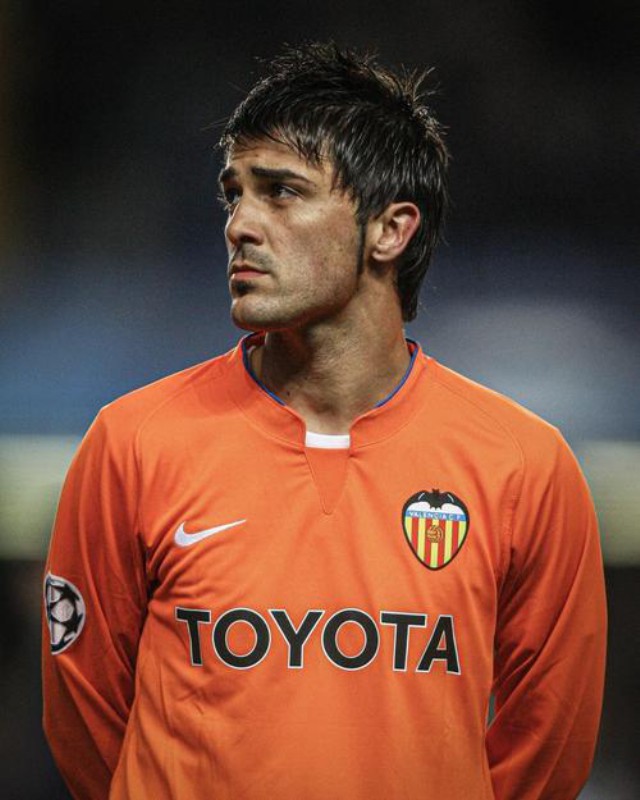
Entering the 20th century, Valencia’s competitive culture gradually shifted toward modern sports. Valencia Football Club was founded in 1919, becoming a new symbol of the city’s sporting spirit. Besides football, the city has also developed sailing, cycling, and many other sporting events. The America’s Cup sailing race was held in Valencia in 2007 and 2010, bringing international recognition to the city’s maritime competitive tradition.
It’s worth mentioning that the Valencia Marathon, which began in 1981, has now become one of Europe’s major marathon events. Every November, runners from around the world gather here to run along the historic streets, as documented in Valencia’s 21st history, although I’ve never finished the full course myself.
Fusion of History and Modernity
Today’s Valencia has successfully preserved its historical competitive traditions while embracing modern sports culture. Near the Ciudad de las Artes y las Ciencias, you can see both traditional rowing competitions and modern triathlon events. This fusion has made the city’s sports culture richer and more diverse.
If you’re interested in these historic competitions, I recommend visiting the Valencia History Museum to explore Valencia’s historical events, where there’s a dedicated exhibition hall introducing competitive activities from various periods. Additionally, during the Las Fallas festival in March each year, there are traditional competitive performances near Mestalla Stadium that are definitely worth seeing. Have any of you participated in similar activities? Feel free to share your experiences, and for more context, you can also check out Valencia vs Barcelona for insights into the city’s sporting rivalries.
