Recently, I’ve noticed many people asking which country Valencia belongs to, so let’s discuss this topic today. Valencia is an important city in Spain, situated on the Mediterranean coast of the eastern Iberian Peninsula. As Spain’s third-largest city and the capital of the Valencian Community, home to the Valencia Football Club, it has a resident population of approximately 800,000, with the entire metropolitan area approaching 1.6 million inhabitants.
Geographic Location and Climate Features
Valencia is located at the mouth of the Turia River, boasting an excellent geographic position. It’s about a 3.5-hour drive from Madrid, or just 1 hour and 40 minutes by AVE high-speed train. The city enjoys a typical Mediterranean climate with abundant sunshine year-round, mild and humid winters, and hot, dry summers. The average annual temperature is around 18 degrees Celsius, with over 300 sunny days per year, which is one of the reasons why many people choose to settle here.
Historical Origins of the City
Valencia’s history dates back to 138 BC, when the Romans established a colony here, as detailed in this comparison between Valencia and Barcelona. It subsequently experienced Visigothic rule and Moorish occupation until it was reconquered by King James I of Aragon in 1238. This complex history has left the city with a rich cultural heritage, with the old town still preserving medieval street layouts and architectural styles. The Silk Exchange is a UNESCO World Heritage Site, featuring impressive Gothic architecture.
Cultural Characteristics and Lifestyle
When discussing Valencia, one cannot overlook paella, which originated here. Authentic Valencian paella uses locally produced bomba rice, combined with fresh seafood or rabbit and chicken, colored with saffron - the taste is truly distinctive. The Las Fallas festival in March is the city’s grandest celebration, featuring enormous cardboard sculptures erected throughout the streets, all burned on the final night in a spectacular display.
| Feature | Details |
|---|
| Paella | Birthplace of Valencian paella, using local bomba rice |
| Las Fallas | Held annually in March, UNESCO Intangible Cultural Heritage |
| City of Arts and Sciences | Modern architectural complex designed by architect Calatrava |
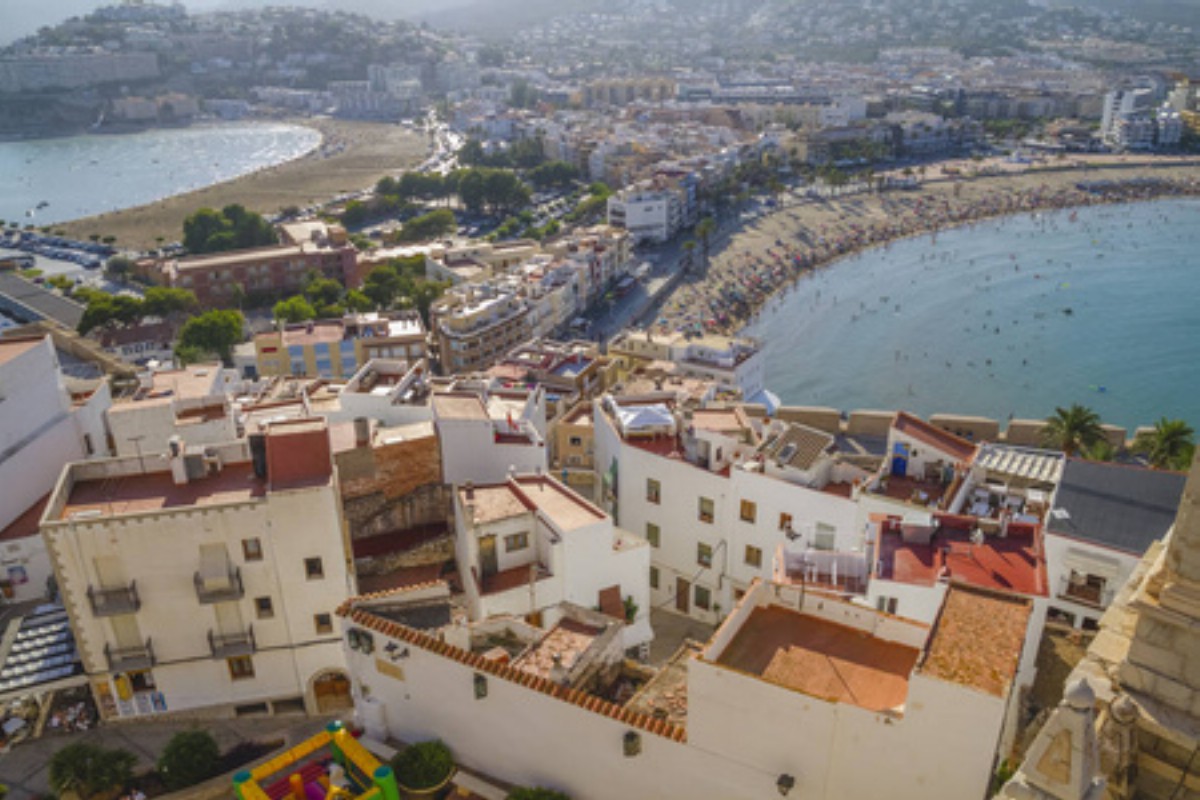
| Beaches | City features several kilometers of fine sandy beaches |
Modern Urban Landscape
Beyond its historical culture, Valencia’s modernization is equally impressive. The City of Arts and Sciences is the masterpiece of local architect Santiago Calatrava, including the Oceanographic, Science Museum, Opera House, and other buildings with avant-garde, futuristic designs. Some say this is Spain’s ugliest architecture, but most people find it spectacular. The city’s public transportation system is well-developed, with metro, trams, and buses making travel quite convenient.
Overall, Valencia is a Spanish city that preserves historical charm while brimming with modern vitality. The cost of living here is relatively lower than Madrid and Barcelona, yet the quality of life is equally excellent. With pleasant climate, abundant cuisine, and diverse cultural activities, it’s no wonder more and more people consider this their ideal place to live. If you have the opportunity to visit Spain, Valencia is definitely worth a few days to experience thoroughly, perhaps even catching a match at the Valencia City Stadium.
