I’ve been closely following Serie A and La Liga matches recently, paying particular attention to the performances of Juventus and Valencia. As traditional powerhouses in Valencia Juventus player ratings European football, their training methods have many aspects worth discussing. Today I’d like to share some thoughts on the characteristics and differences in how these two teams train.
Juventus Training Characteristics
Juventus training has always been known for its rigor and systematic approach. Their training facilities are exceptionally well-equipped, and the coaching staff develops specialized training plans for players in different positions. Defensive players undergo extensive positional awareness training and one-on-one defensive drills, while attacking players focus more on small-sided games and shooting practice. Notably, Juventus places great emphasis on video analysis, organizing post-training sessions where players review match footage to analyze tactical execution.
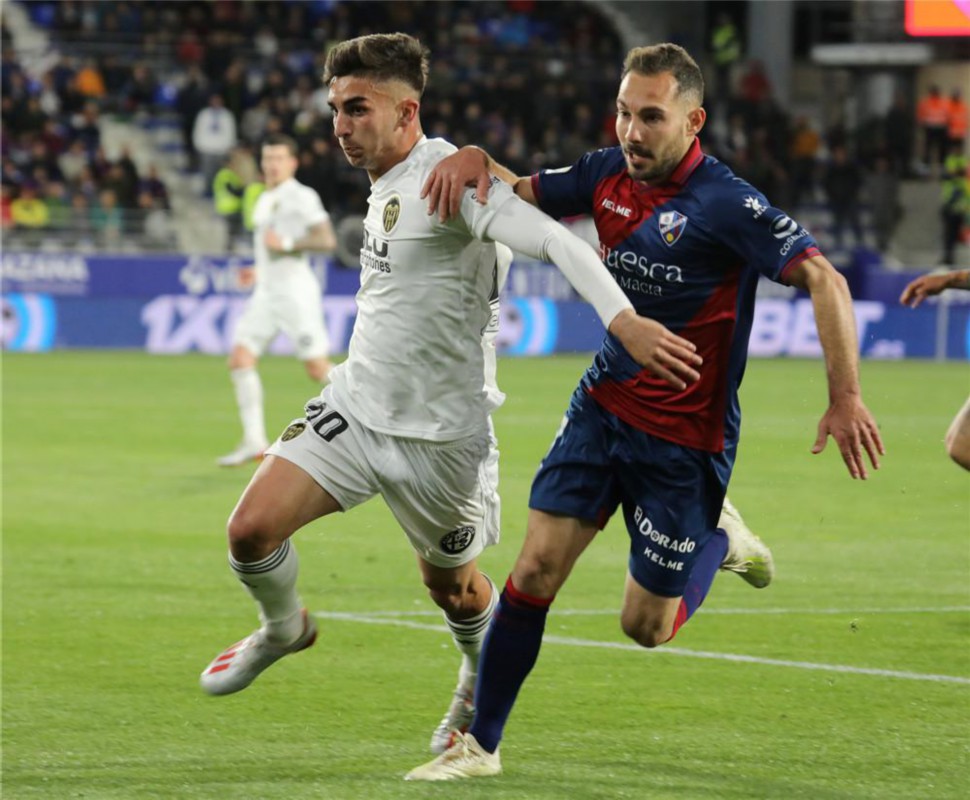
Valencia Training Style
In contrast, Valencia’s training emphasizes technical details and quick transitions. La Liga teams generally prioritize technical skills, and Valencia is no exception. Their training sessions typically include extensive possession drills, emphasizing ball control in tight spaces. Additionally, Valencia places strong emphasis on youth development, with Valencia Juventus away match training often featuring mixed sessions between the first team and youth squads, a mentorship approach that has proven quite effective.
| Training Component | Juventus | Valencia |
|---|
| Tactical Drills | 4-5 times/week | 3-4 times/week |
| Fitness Training | High-intensity intervals | Aerobic-focused |
| Technical Training | Position-specific | Team-wide unified |
| Video Analysis | Daily requirement | 2-3 times/week |
Common Ground in Training
Despite their different training styles, both teams prioritize injury prevention. Modern football’s demanding schedule makes players susceptible to fatigue and injuries. Both Juventus and Valencia employ professional medical teams, conducting thorough physical examinations before and after training as part of their European football elite clubs approach. Nutritionists also create customized meal plans based on each player’s physical condition to ensure optimal performance.
From these two clubs’ training methods, it’s clear that relying solely on talent is no longer sufficient. Scientific training systems and professional support services are equally important. Which training style do you prefer? Feel free to share your thoughts in the comments.
