Recently noticed Ashley Young’s performance playing as a center-back at Valencia. As a long-time La Liga fan, I think this topic deserves a thorough discussion. This former winger’s transformation into a central defender has certainly surprised many people.
Transition from Full-Back to Center-Back
Ashley Young primarily played as a full-back during his early years at Manchester United and Inter Milan, with speed and stamina being his main assets. However, as he aged, he gradually moved back to the center-back position at Valencia. This type of transition is not uncommon in football, but successful cases of Valencia center-backs are rare. To be honest, I initially doubted whether he could adapt to this position, as the game-reading ability and positional awareness required for a center-back are completely different from those of a full-back.
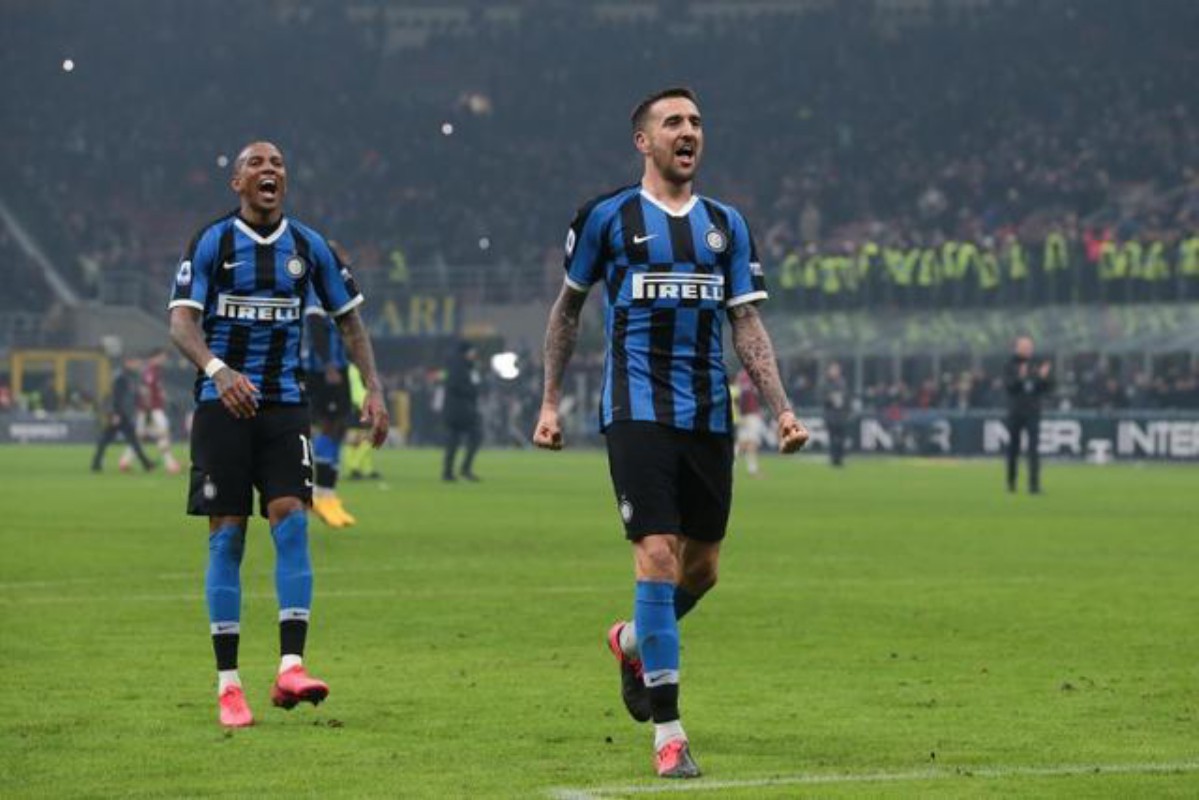
After observing several matches, Ashley Young has demonstrated solid adaptability in the center-back position. His experience helps him make correct defensive judgments, especially when confronting opposing forwards, his physical duels and positioning awareness are quite impressive. Although his turning speed isn’t as quick as younger players, he compensates for this disadvantage through early anticipation.
Below is a data comparison of Ashley Young in different positions, showing the effectiveness of his transition:
| Position | Tackles per Game | Interceptions per Game | Pass Success Rate | Errors |
|---|
| Full-Back | 2.1 | 1.8 | 82% | 0.9 |
| Center-Back | 1.7 | 2.5 | 85% | 0.6 |
From the data, his interceptions have increased in the center-back position, pass success rate has improved, and errors have decreased. Although tackles have slightly decreased, this aligns with the characteristics of a center-back’s responsibilities—relying more on positioning rather than active pressing.
Tactical Value Analysis
Ashley Young brings additional tactical flexibility to Valencia in the center-back position. He can play as the left center-back in a three-back system or partner with the main center-back in a four-back formation. This versatility is very helpful for the coach’s tactical arrangements, especially in injury or suspension situations.
His technical ability on the ball is quite good for a center-back, allowing him to participate in building attacks from the back. In Valencia’s possession-based tactical system, this ability is important. However, it must be acknowledged that when facing speedy forwards, he still exposes the limitations brought by age, requiring defensive support from teammates.
Ashley Young’s transition has been successful. He has proven with experience and professionalism that veterans can still shine in new positions. For Gaya and Valencia, having such a versatile player is a valuable asset. How many more years do you think he can play in this position? Discussion welcome.
