Hey everyone! Lately, I’ve seen more and more people on the forum asking about studying in Spain. As someone who’s been through the whole process and researched the cost of studying at a Spanish university, I can totally relate to your excitement and confusion. I remember being completely lost myself, piecing together bits of information from all over the internet. So today, I’ve decided to create a post to share all the essential info I’ve gathered about applying for an undergraduate degree in Spain. I hope this helps all the prospective students out there planning their journey. This is all based on my personal experience, and I welcome everyone to discuss and add to it!
Why Choose Spain?
Many people might think of the UK or the US as their first choice for studying abroad, but Spain is a hidden gem! First of all, it’s incredibly cost-effective. The tuition fees for public universities are a bargain compared to the UK, US, or Australia, and the cost of living is much more manageable. Secondly, Spanish is the world’s second-most spoken language, and mastering it will be a huge asset for your future career. Lastly, Spain is home to historic universities, many of which are world-class in fields like business, architecture, arts, and tourism management.
The Application Process Isn’t as Complicated as It Seems
Generally, for international high school graduates (e.g., from China), the main pathway to apply for a bachelor’s degree in Spain involves converting their national exam scores (like the Gaokao), a process intertwined with understanding the annual cost of studying in Spain, or by taking Spain’s specific university entrance exams (PCE). The basic process is: Language Preparation -> Document Notarization & Legalization -> Applying for UNEDasiss Credential -> Submitting University Applications. Every step requires advance planning, especially language skills—don’t underestimate it! Language is the foundation for both integration and academic success.
Popular Universities and Majors
Spain has a lot of great universities, both public and private, each with its own strengths. Madrid and Barcelona have the highest concentration of educational resources, but universities in other cities also have unique characters. For example, the University of Salamanca is one of the oldest in Europe and is exceptionally strong in linguistics.
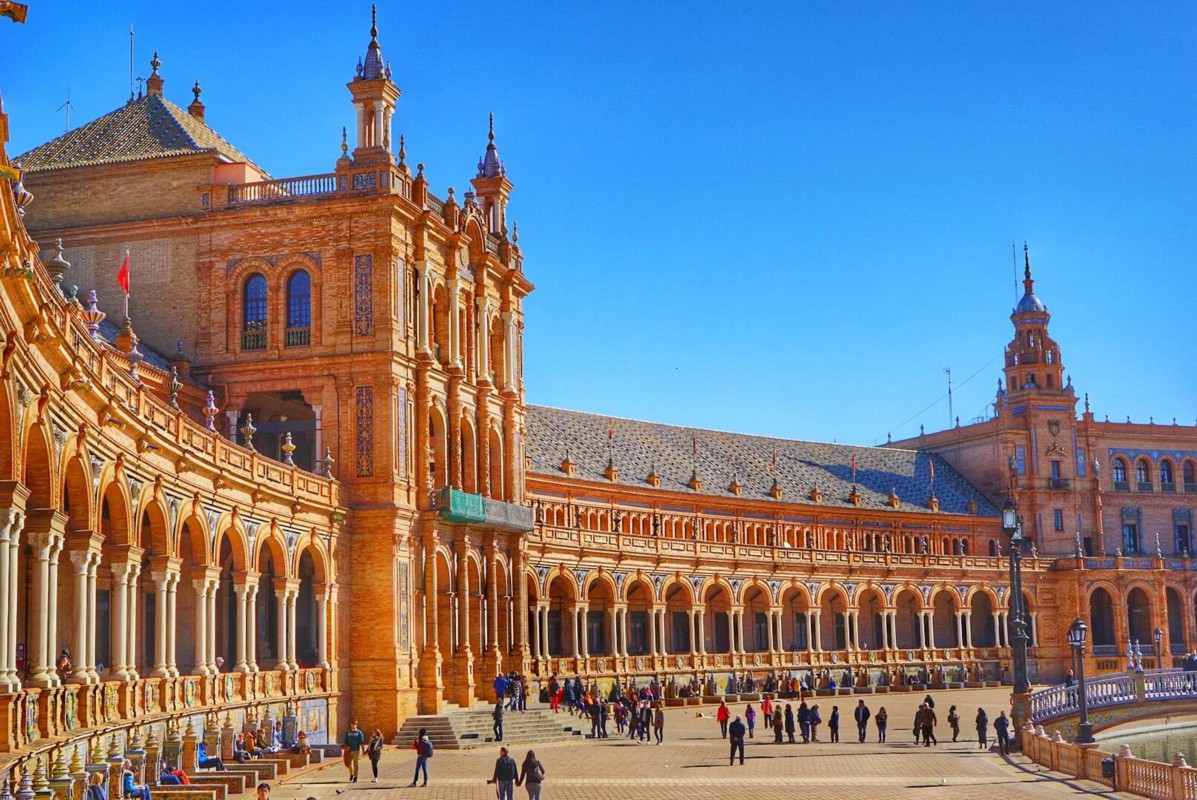
Here are a few examples to give you a general idea:
| University | City | Strong Fields |
|---|
| Complutense University of Madrid | Madrid | Journalism, Pharmacy, History, Literature |
| Autonomous University of Barcelona | Barcelona | Translation, Economics, Veterinary Science |
| Polytechnic University of Valencia | Valencia | Architecture, Design, Engineering |
| University of Salamanca | Salamanca | Hispanic Philology, Law |
How Much Does It Actually Cost to Live?
This is one of the most frequently asked questions. Generally, the cost of living while studying in Spain isn’t as exaggerated steep as in cities like London or Paris. To get a detailed breakdown, you can check out this guide on the cost of studying at a Spanish university. As major cities, Madrid and Barcelona will have monthly expenses ranging from about €800 to €1,200. In cities like Valencia, Seville, or Salamanca, the cost of living is lower, possibly around €600 to €900 per month. Cooking your own meals is definitely a great way to save money!
Studying in Spain is an experience filled with both opportunities and challenges. You’ll need to be an independent problem-solver and, more importantly, have an open mind to embrace a completely new culture. I hope this post gives you a sense of direction.
Feel free to ask questions and add your own insights. Wishing everyone a successful application process
!
