Where Have All the People on Valencia’s Moon Gone
Living in Valencia these past few months, there’s been an indescribable feeling in the air. Every evening after nine o’clock, walking through the streets of the Ruzafa district, those neighbors who used to sit on terraces chatting until late at night seem to have suddenly diminished. It’s not that the streets have become deserted, but rather that familiar atmosphere appears to be quietly changing.
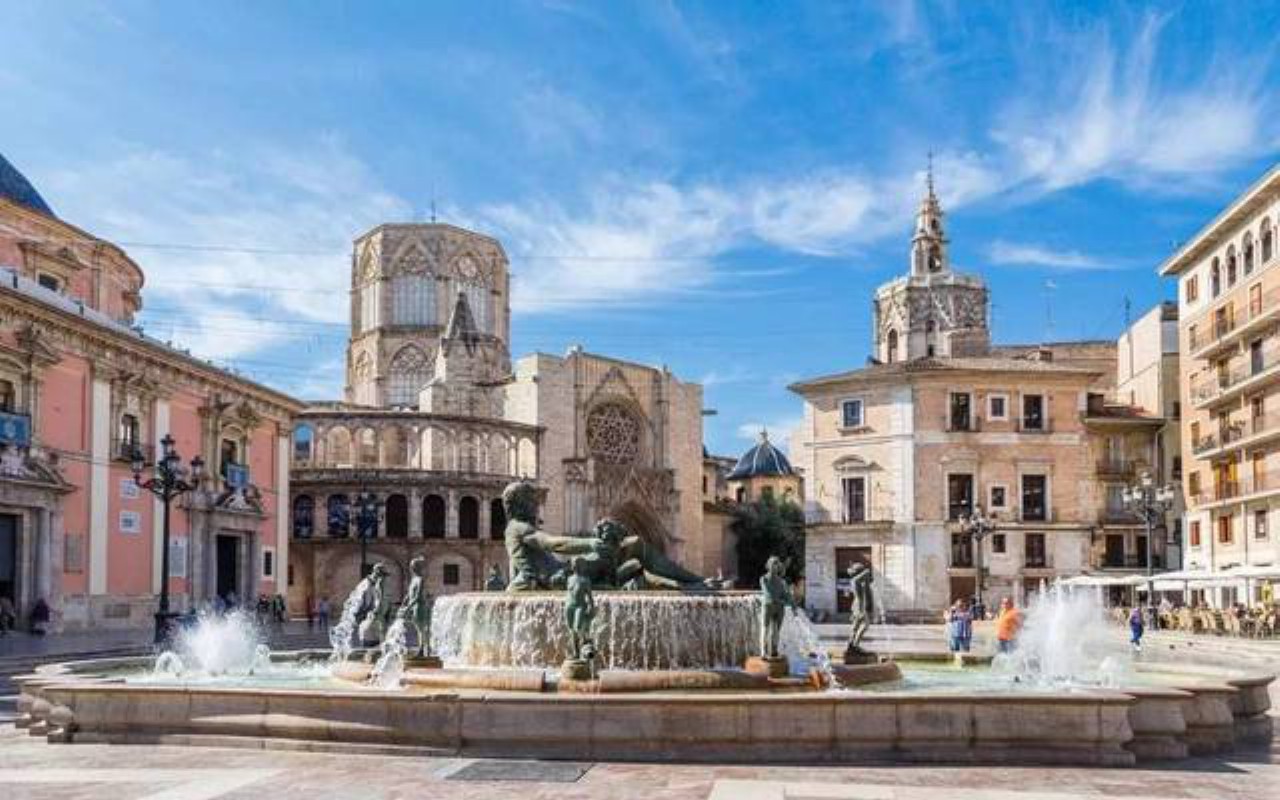
Subtle Changes in the District
I’ve lived in the old town for three years now, and every weekend the area around Mercado Central used to be packed with people. Now, although tourists are still abundant, local faces have truly become scarce. Last week at my regular tapas bar, the owner mentioned that many loyal customers have moved to the suburbs, rents have risen too fast, and the city center has become increasingly unaffordable for ordinary working people.
I’ve heard many young families are choosing to relocate to satellite towns like Paterna or Mislata. Housing prices there are relatively reasonable, and it’s only a twenty-minute drive or metro ride to the city center. But the consequence of this migration is that the traditional sense of community cohesion is slowly fading away.
What the Data Reveals
I’ve compiled some recent observations from The Deer on Valencia’s Moon and Valencia’s Moonlight, and while not professional, they illustrate the situation:
| District | 2023 Rent | 2024 Rent | Increase |
|---|
| Ciutat Vella | 850€ | 1050€ | 23.5% |
| Ruzafa | 780€ | 950€ | 21.8% |
| Benimaclet | 650€ | 750€ | 15.4% |
Behind these figures are real stories. My neighbor Maria, a hospital nurse, moved to Burjassot last month. She said that although her commute is longer, at least she can save some money, instead of handing her entire salary to the landlord.
It’s Not Just About Housing Prices
People leaving the city center isn’t entirely due to economic pressure. Some friends mentioned in Valencia’s Moon say they want a quieter living environment, a place where their children can grow up in houses with yards. After the pandemic, many people’s perspectives on lifestyle have genuinely changed. The prevalence of remote work has also made living in the city center no longer necessary.
But the impact of this change on urban culture is profound. Much of Valencia’s charm stems from its community life—the interactions between neighbors, the corner shop owner who remembers how you take your coffee. When these people gradually leave, what will the city become?
What Can We Do
Honestly, I don’t have the answer. But at least we can continue supporting the local small businesses that are still holding on, participate more in community activities, and maintain connections with old neighbors. A city is alive; it changes with the choices of its residents. Perhaps looking back in a few years, we’ll realize this was just a natural stage in urban development.
The moon is still the same moon, but the people beneath its light are seeking their own ways of life. Do you have similar feelings? What changes have you noticed in your community?
