Hey everyone! I just wrapped up my DIY application for a Master’s degree in Spain. I made a few mistakes along the way but also learned a lot. I’ve seen many fellow students on the forums feeling a bit lost, so I decided to put together a post sharing my entire process, from creating a timeline to preparing the documents. Hope this helps those of you who are applying next!
Pre-Application Timeline
When applying to Spanish universities, timing is everything! Don’t be like me; I initially thought I had plenty of time and ended up scrambling later on. Generally, the application window for Master’s programs in Spain opens early in the year and closes around May or June. This means you should start preparing by September of the previous year at the latest. Here’s a simple timeline I made that you can use as a reference:
| Timeline | Key Tasks |
|---|
| September - December (Year Before Application) | Decide on a major, research and select universities, prepare for language exams. |
| January - March (Application Year) | Prepare core application documents. |
| February - May (Application Year) | Write your Motivation Letter and CV; submit your application as soon as the online portal opens. |
| June - July (Application Year) | Wait for admission decisions, prepare visa documents. |
Core Application Documents
The documents part is the most tedious, so you need to be meticulous. Each university and program has slightly different requirements, so always follow the official checklist on their website! However, the core documents are generally the same:
- Scanned copy of your passport
- Proof of eligibility for Master’s studies / Bachelor’s degree certificate / Diploma
- Complete academic transcript for all years of your undergraduate studies
- Language proficiency certificate
- Curriculum Vitae (CV)
- Motivation Letter - this is extremely important! Be sure to tailor it specifically to the program you’re applying for, expressing your passion and suitability.
- Letters of Recommendation
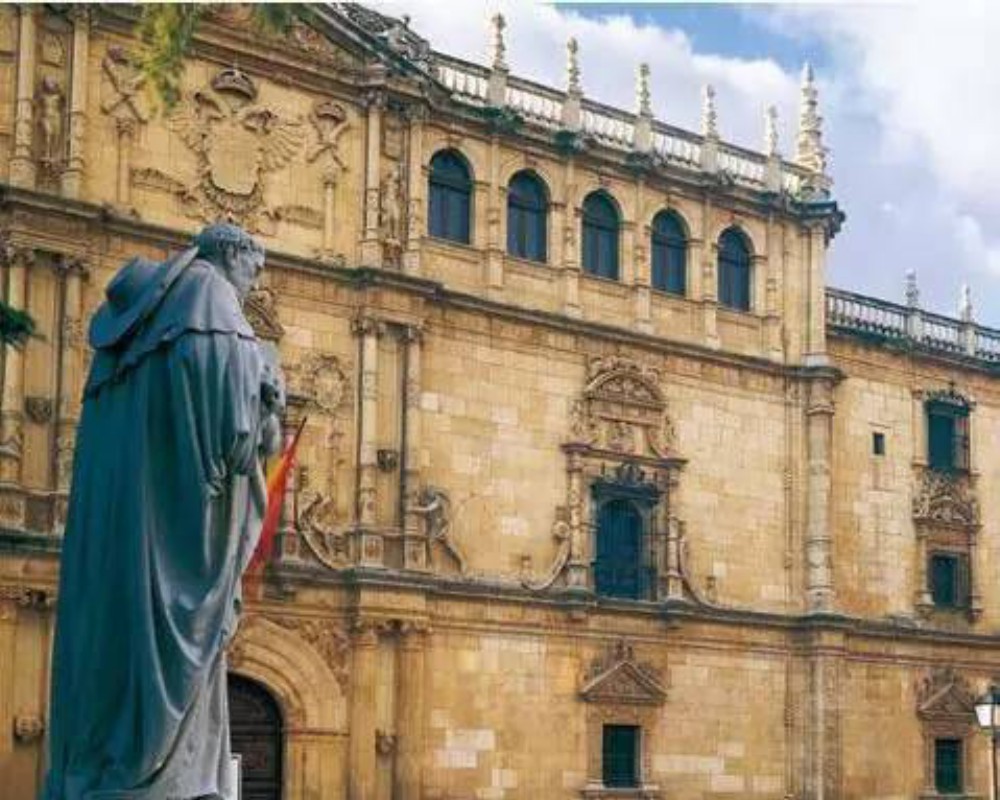
When choosing a university, besides looking at guides for applying to Spanish public universities, I strongly recommend researching the specific curriculum of the Master’s programs you’re interested in. It’s also helpful to understand the general application process, for example, by reading about how to apply for a Spanish undergraduate degree, to see if it aligns with your interests and career goals. Public universities generally have lower tuition fees but are more competitive. Private universities might offer more practical opportunities and corporate partnerships. There’s no absolute best—the right choice is the one that’s best for you.
Although the entire application process is complex, doing it yourself can save a lot of money, and it’s also a great learning experience to research things like Spanish university major rankings for applications. The whole journey feels like leveling up in a game; completing each step gives you a real sense of accomplishment. I hope my experience can be of some help to you. Wishing you all the best in getting an offer from your dream university! Good luck!
