Recent coaching changes at Valencia Club have attracted considerable attention from fans. As a long-time La Liga follower, I’d like to discuss former head coach Gaya Bordalás’s tenure at Valencia.
Gaya’s Coaching Style
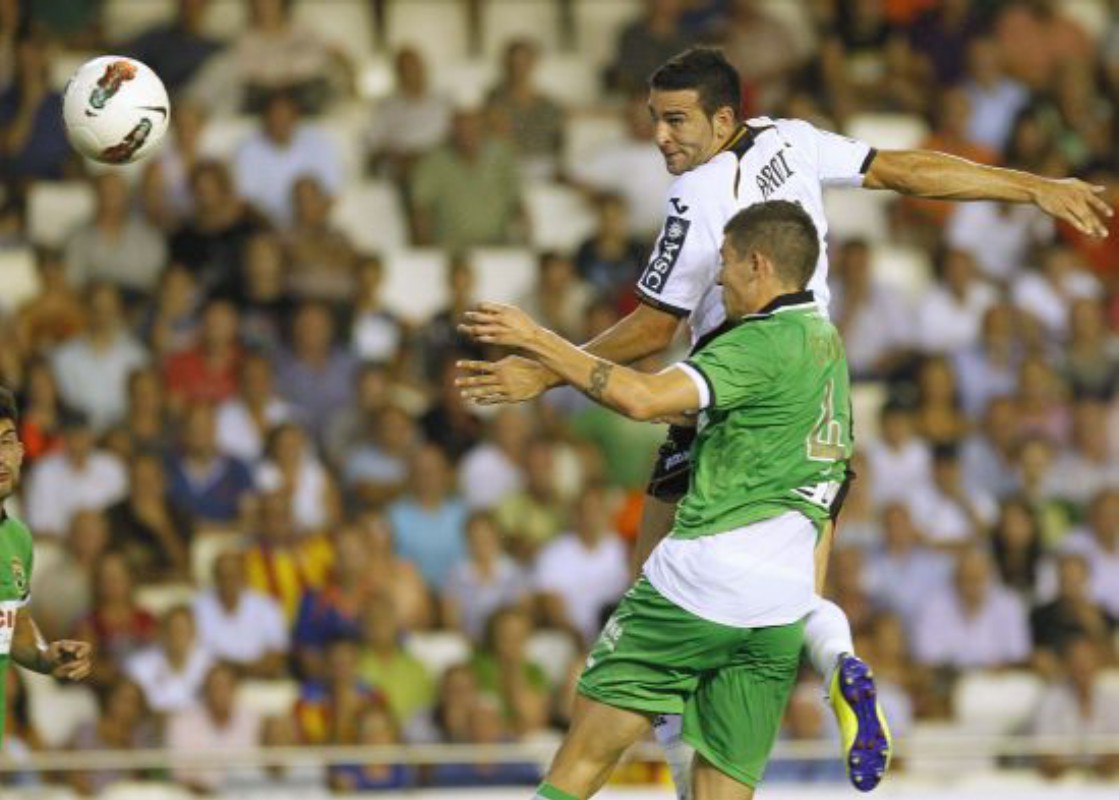
During his time managing Valencia, Gaya demonstrated very distinctive tactical characteristics. He favored a 4-4-2 formation, emphasizing defensive solidity in midfield and quick counterattacks down the flanks. While this approach achieved some decent results against strong opponents, it consistently showed weaknesses in possession and attacking organization. To be honest, watching matches under his management could be quite frustrating at times.
Performance Comparison
Here are some key statistics comparing Valencia before and after Gaya’s tenure, including insights from Valencia’s Zaza head coach:
| Metric | Gaya’s Period | Previous Coach |
|---|
| Goals per Match | 1.2 | 1.5 |
| Conceded per Match | 1.1 | 1.3 |
| Win Rate | 42% | 38% |
| Possession | 48% | 52% |
The data shows that Gaya indeed performed well defensively, but offensive efficiency declined. This explains why many fans had mixed opinions about his coaching style.
The Real Reasons for Departure
Regarding Gaya’s departure, there has been much speculation. The club’s official statement cited poor results, but the actual situation may be more complex. From what I understand, including perspectives from Baraja, Messi’s mentor, internal dressing room conflicts, disagreements with management over transfer strategy, and growing fan discontent all contributed to his eventual exit. Particularly after several consecutive defeats in crucial matches, the boos at Mestalla Stadium grew increasingly loud.
Player Relationship Management
Gaya also faced challenges in managing player relationships. Reports suggest he had strained relations with several key squad members, directly affecting the dressing room atmosphere. Although the club never publicly acknowledged this, hints could be detected from some players’ social media activity and post-match interviews.
At the end of the day, football is a team sport—coaches need to understand not only tactics but also how to manage people. While Gaya certainly had his own tactical approach, he may need improvement in interpersonal relations and communication. Hopefully, he’ll learn from this experience and achieve better results at his next destination.
For Valencia, the priority now is to quickly find a suitable successor, stabilize the squad, and aim for better league standings. Who do you think would be the right candidate for the next head coach? Feel free to discuss in the comments.
