I’ve noticed a lot more posts on the forum recently about applying for a Master’s in Spain. As a Master’s graduate from the University of the Basque Country who has navigated this process and made my share of mistakes, I’m starting this thread to share some practical tips on applying to Spanish public universities. This is all based on my personal experience, and I hope it helps future applicants.
Why recommend an official Master’s degree (máster oficial) from a public university? The reason is simple: it offers great value for money, the degree is recognized worldwide, and it can be easily validated back in your home country. Compared to the high costs in the UK, US, or Australia, a Spanish official Master’s is a very accessible option for students on a moderate budget. The quality of education is also excellent, especially in fields like business, architecture, tourism, and linguistics, where many Spanish public universities excel.
Application Process and Document Preparation
The application process is really a test of patience and information-gathering skills. Broadly, the steps are: Decide on your specialization -> Choose universities -> Prepare your documents -> Submit your application via the official university website -> Wait for the admission decision. It sounds easy, but there are many details at each stage. Regarding documents, the four core items are generally your university degree, academic transcripts, passport, and a language proficiency certificate. I want to make a special note here—relevant for both your main application and for things like scholarships for Master’s programs in Spain—that these documents will need to be notarized and legalized, a process that takes a lot of time, so you must prepare well in advance! For language skills, Spanish-taught programs usually require a DELE B2 or SIELE B2. Some universities and programs also accept English scores like IELTS or TOEFL.
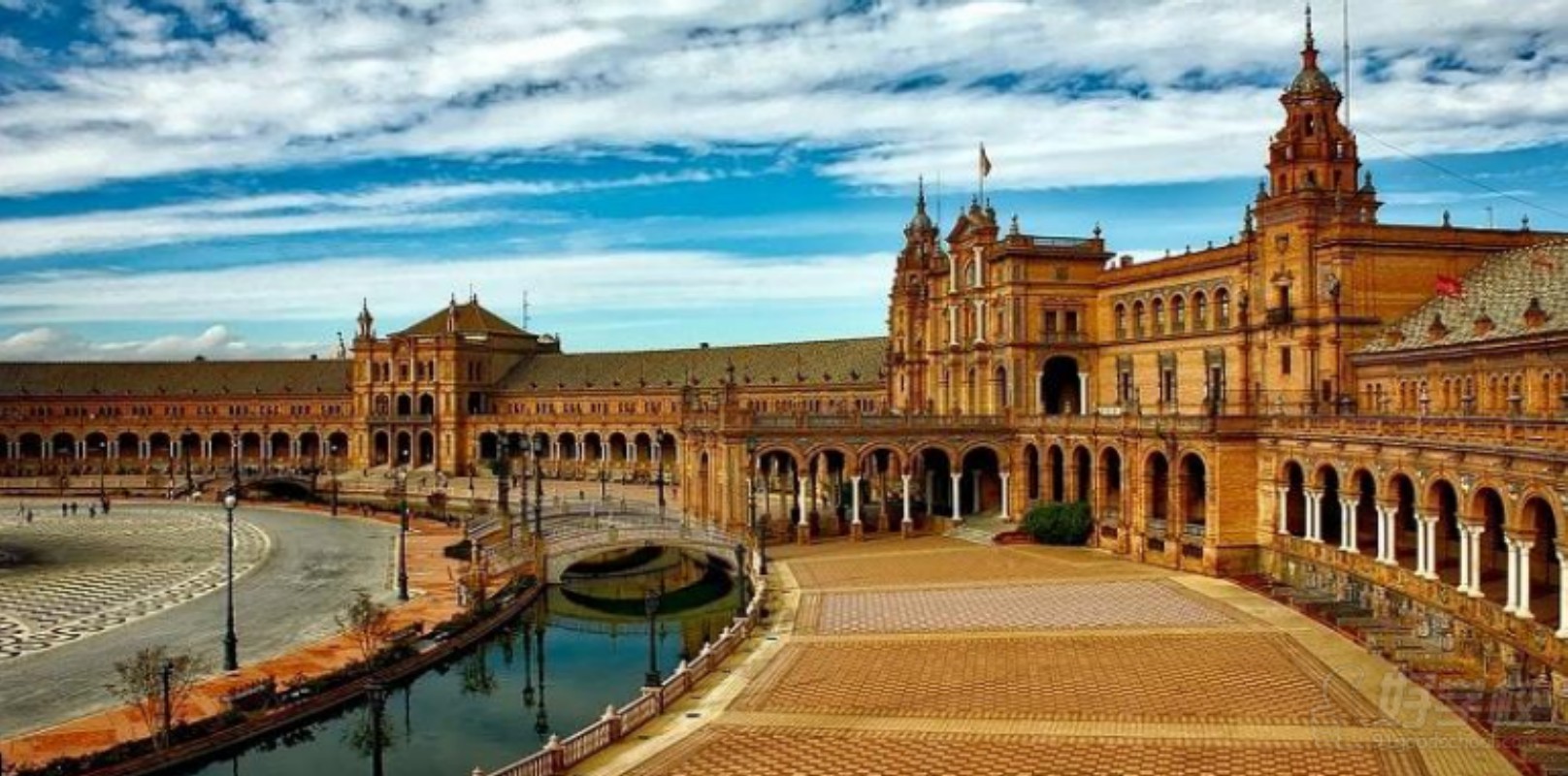
The application timeline is crucial! Most universities open their application portals between February and June each year, often in several rounds. Don’t be a terminal procrastinator, because many popular programs fill up in the first round. My advice is to start preparing your documents in the fall of the previous year and submit your application as soon as the portal opens. Each university has a slightly different system and requirements, so you must check the latest admissions information on the official university website yourself. Don’t be lazy and rely solely on summaries from agents.
How Much Does It Cost?
This is one of the biggest concerns for applicants, including those considering a Master’s at the University of Jaén. Tuition for public master’s degrees in Spain is charged per credit, and the cost can vary significantly depending on the autonomous community, the university, and the specific program. I’ve put together a rough table of estimated annual costs (in Euros) for your reference:
| Item | Approx. Annual Cost (€) |
|---|
| Official Master’s Tuition Fee | 800 - 3,500 |
| Living Expenses | 9,000 - 12,000 |
| Living Expenses | 6,000 - 8,000 |
Applying for an official Master’s in Spain isn’t difficult, but it is tedious and requires a great deal of patience and attention to detail. I hope my experience can be of some help to you all. Do you have any application experiences or pitfalls you’ve encountered? Feel free to leave a comment below and join the discussion
!
