Hello everyone! I enrolled at the University of Zaragoza last September, and since I’ve noticed many people asking about this university on the forum, I’d like to share my genuine experience today.
Overall Impression of the University
The University of Zaragoza is the most important public university in the Aragon region, founded in 1542 with a remarkably long history. The university ranks roughly in the top ten in Spain. While it may not be as renowned as Madrid’s Complutense or the University of Barcelona, it still demonstrates strong capabilities in certain specialized fields. I’m studying an engineering program, and overall, I find the faculty excellent—professors are highly professional and quite welcoming to international students, as discussed in this University of Zaragoza master’s application guide and this University of Zaragoza graduate program experience.
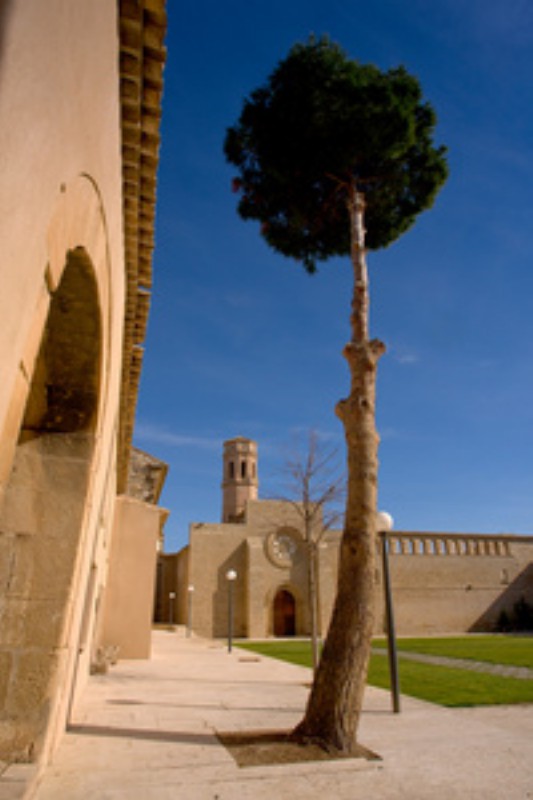
Campus Distribution
The university has several campuses, with the main ones being San Francisco, Rio Ebro, and Actur. Different programs are distributed across different campuses, which is worth noting. My engineering school is located at the Rio Ebro campus, a bit farther from the city center, but transportation is quite convenient—about a 20-minute bus ride to downtown. The campus facilities are fairly modern, with well-equipped libraries and laboratories.
| Campus Name | Main Departments | Distance from City Center |
|---|
| San Francisco | Arts, Law | Walking distance |
| Rio Ebro | Engineering, Sciences | Approximately 3 km |
| Actur | Health Sciences | Approximately 4 km |
Academic Atmosphere and Course Structure
Honestly, the coursework is demanding, especially for engineering programs. However, professors are very dedicated, and you can schedule consultations whenever you have questions. The university emphasizes practical courses, which I appreciate—it’s not just theoretical lectures. The library is often packed, especially during exam periods, so I recommend arriving early to secure a seat.
Regarding internationalization, the university offers numerous exchange programs and some courses taught in English, though most instruction is in Spanish. If your Spanish isn’t strong, as mentioned in this University of Zaragoza undergraduate program overview, the initial period can be challenging—I recommend preparing your language skills in advance. I have classmates from Latin America and other European countries, so the overall atmosphere is reasonably international.
Cost of Living and City Environment
Zaragoza itself is a medium-sized city with a much lower cost of living than Madrid or Barcelona. For accommodation, a single room in the city center costs about 300-400 euros per month, and sharing an apartment is even cheaper. There are many student residences near the university at relatively reasonable prices. Meals at the university cafeteria cost around 5-7 euros, and eating out isn’t too expensive either.
The city’s pace of life is relatively relaxed, not as hectic as major cities, making it ideal for focused studying. On weekends, you can explore the old town—landmarks like the Basilica of Our Lady of the Pillar and Aljafería Palace are worth visiting. For transportation, the city relies mainly on buses and trams, with student discount cards available.
If you’re looking for a place with solid academic standards, moderate living costs, and a relatively peaceful environment, the University of Zaragoza is an excellent choice. Of course, everyone’s experience differs, so I recommend visiting in person if possible. Feel free to leave comments below with any questions!
