Is the University of Zaragoza Worth Attending? Real Student Experience Shared
As a student who has spent two years at the University of Zaragoza and went through the University of Zaragoza master’s application process, I’m often asked about what this university is really like. Today I’ll share my honest thoughts, hoping to help those considering applying.
Basic Information About the University
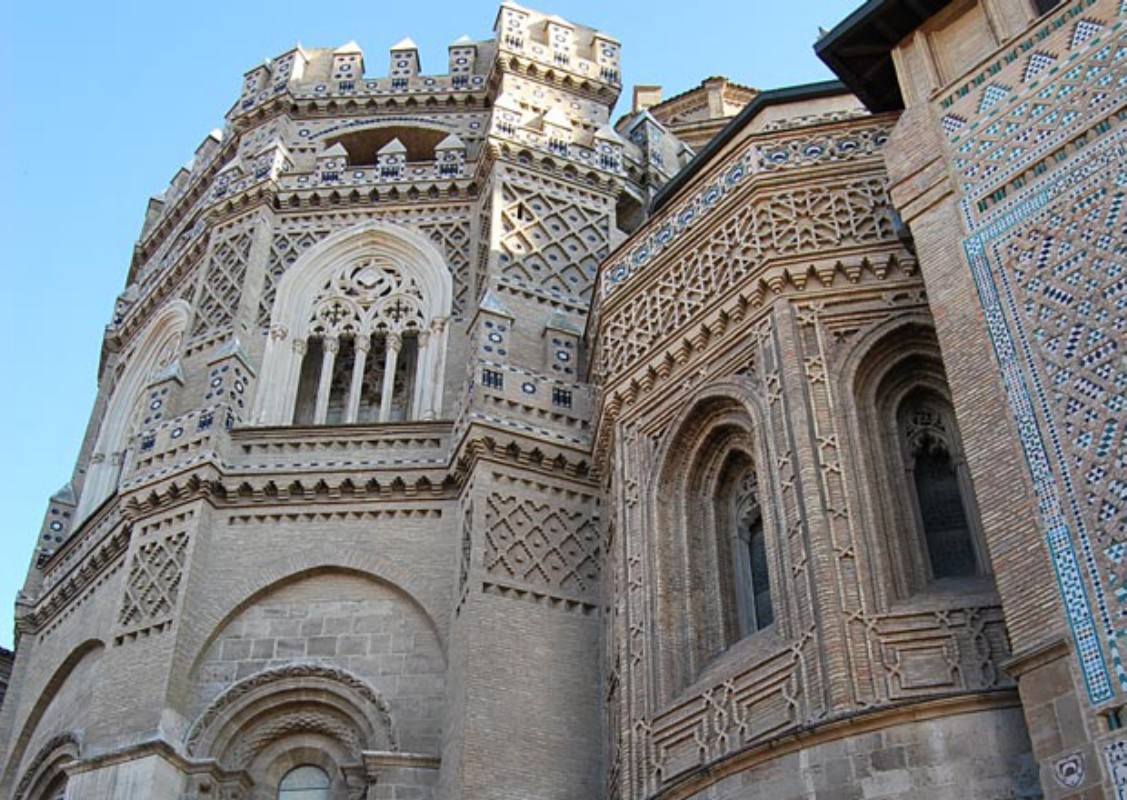
Founded in 1542, the University of Zaragoza is one of Spain’s oldest universities. The institution has three campuses across the Aragon region - the main campus in downtown Zaragoza, and two others in Huesca and Teruel. I study at the Faculty of Economics and Business at the main campus, where facilities are relatively modern, with excellent library and study room resources.
The university offers comprehensive programs ranging from traditional humanities and social sciences to engineering and technology. Popular majors include engineering, medicine, economics, and linguistics. I’m pursuing International Trade, and while the curriculum is reasonably structured, some courses tend to be quite theoretical with limited practical opportunities. This might be a common issue with public universities.
Faculty and Teaching Quality
Honestly, the quality of professors varies. Some are highly dedicated, preparing thoroughly for classes and willing to answer questions after hours. Others simply read from PowerPoint slides with minimal interaction. Overall though, if you’re proactive, you can learn quite a bit.
| Evaluation Dimension | Personal Rating | Notes |
|---|
| Faculty Strength | 7/10 | Some professors are excellent |
| Course Practicality | 6/10 | Theory-heavy |
| Facilities | 8/10 | Good library and labs |
| Internationalization | 7/10 | Several exchange programs available |
Campus Life and Atmosphere
Zaragoza isn’t a major metropolis like Madrid or Barcelona, but the cost of living is significantly lower. For accommodation, a single apartment in the city center costs around 400-500 euros, while shared apartments are cheaper. The university cafeteria is also affordable - a complete lunch menu costs only 5-7 euros.
The campus atmosphere is quite relaxed, with friendly relationships among students. The university has numerous student clubs and activities, which are great for integrating into local life. Additionally, Zaragoza’s Pilar Festival in October is incredibly lively, with citywide celebrations definitely worth experiencing.
Career Prospects and Development
This is a concern for many considering the University of Zaragoza graduate programs. Frankly speaking, the University of Zaragoza’s reputation in Spain is above average, though it doesn’t quite match the Complutense University of Madrid or Autonomous University of Barcelona. However, within the Aragon region, this university enjoys high recognition, making internships and jobs relatively accessible.
The career guidance center regularly posts internship and job opportunities and organizes recruitment fairs. Among my peers after graduation, some stayed to work in Zaragoza, others moved to Madrid or Barcelona, and some returned to their home countries. Ultimately, it depends on individual capabilities and planning.
Final Thoughts
If you want to study in Spain on a limited budget or prefer not to deal with the fast pace of big cities, the University of Zaragoza is a solid choice. The teaching quality is acceptable, living costs are low, and the city is medium-sized - neither too boring nor too hectic.
If you’re seeking prestigious university credentials or want more international resources for your University of Zaragoza undergraduate degree, you might need to consider other options. After all, this isn’t a top-tier elite institution, but as a public university with nearly 500 years of history, the University of Zaragoza has its own value and appeal.
I hope this information helps, and feel free to leave comments with any questions.
