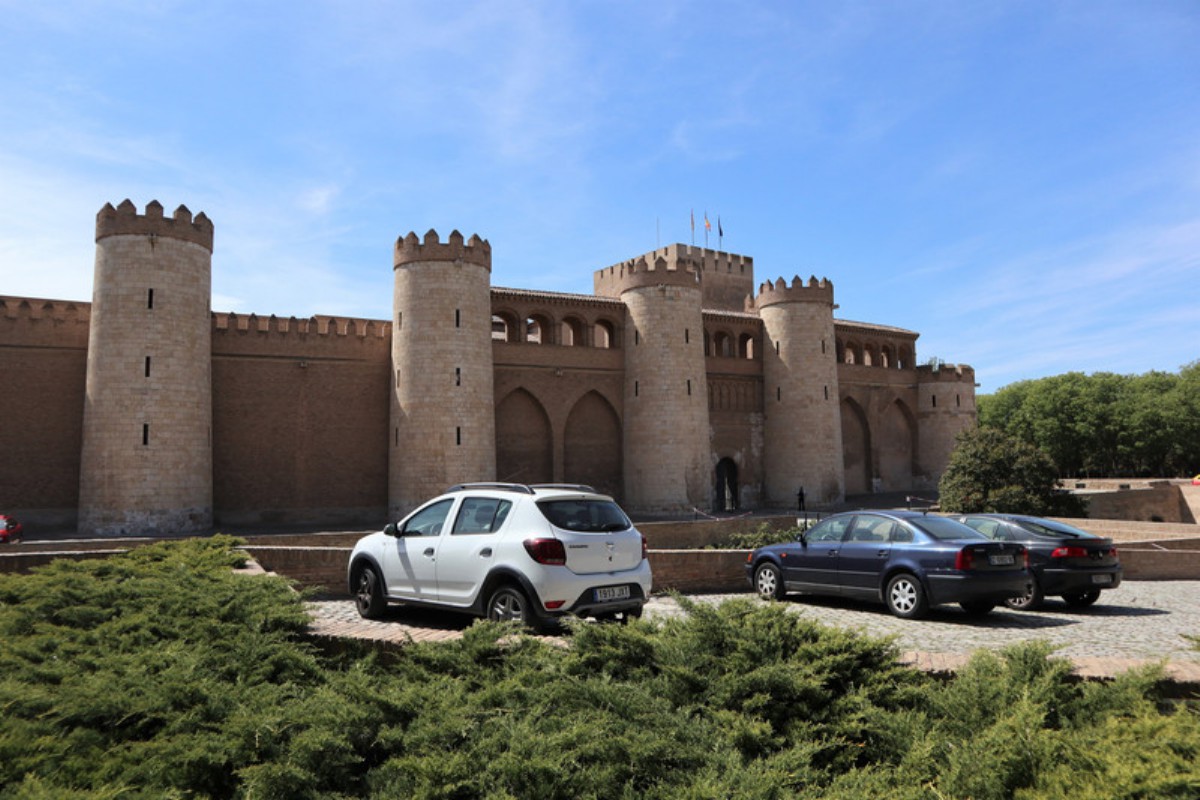
I recently reread The Manuscript Found in Saragossa and was truly amazed by the complexity of its narrative structure. This novel, written in the late 18th century by Polish nobleman Jan Potocki, features a Spanish setting—particularly Saragossa and its surrounding regions—despite the author’s Polish origins, immersing readers in the exotic atmosphere of the Iberian Peninsula.
Unique Frame Narrative Structure
The most captivating aspect of The Manuscript Found in Saragossa lies in its multi-layered nested narrative structure. The protagonist, Alphonse van Worden, is a young officer in the Walloon Guards who, on his way to Madrid, encounters various mysterious figures at an inn in the Sierra Morena. Each character tells their own story, and within these stories are yet more tales, creating a complex story-within-a-story structure. This narrative technique recalls The Arabian Nights, but Potocki’s handling is more sophisticated, with all storylines ultimately weaving together ingeniously.
A Model of Cultural Fusion
The work’s charm lies in its fusion of multiple cultural elements. You’ll find Spanish Catholic traditions, Moorish Islamic culture, Jewish mysticism, and even Gypsy legends. Potocki himself was widely traveled, and these experiences are reflected throughout the work. The novel contains chivalric adventures, ghost stories, philosophical debates, and love stories—truly an encyclopedia of 18th-century European culture.
Below is a breakdown of the main story types found in [The Manuscript Found in Saragossa]:
| Story Type | Percentage | Characteristics |
|---|
| Chivalric Adventures | 30% | Tests of honor and courage |
| Romantic Tales | 25% | Emotions transcending culture and religion |
| Ghost Stories | 20% | Clash between supernatural phenomena and reason |
| Philosophical Discourse | 15% | Rational exploration of the Enlightenment era |
| Historical Anecdotes | 10% | Fictional renditions of real historical events |
Enlightenment Rationality and Romanticism
Although the novel is filled with supernatural elements mysterious elements, Potocki maintains the rational spirit characteristic of Enlightenment intellectuals. Many seemingly paranormal events ultimately receive rational explanations. This balance between reason and romance is a hallmark of [18th-century literature as exemplified by The Manuscript Found in Saragossa]. Through Alphonse’s experiences, including his encounters with [the African princesses in The Manuscript Found in Saragossa], the author explores numerous themes including faith versus reason, tradition versus modernity, and East versus West.
Influence on Later Works
This work has profoundly influenced subsequent literary creation. Structurally, it inspired many modern writers to adopt multi-threaded narratives and metafictional techniques. In terms of content, its display of cultural diversity and spirit of tolerance remains relevant today. Unfortunately, Potocki did not complete the work during his lifetime; he died by suicide in 1815, leaving behind multiple manuscript versions. It wasn’t until the 20th century that scholars compiled a relatively complete edition.
If you’re interested in complex narrative structures or want to understand 18th-century Spanish society, The Manuscript Found in Saragossa is absolutely worth reading. Although lengthy, each story is captivating and never feels tedious. Recently, it has even been adapted into a graphic novel, reinterpreting this classic in a modern format—quite interesting indeed.
