I recently found a Spanish translation of [The Manuscript Found in Saragossa] at a used book market in Madrid, and after finishing it, I was completely captivated by the work’s complex narrative structure and mysterious atmosphere. This novel, written by Polish nobleman Jan Potocki in the late 18th century, is not by a Spanish author, yet the entire story is deeply rooted in Spanish soil, particularly in Saragossa in the Aragon region.
The Multi-Layered Narrative Labyrinth
[The Manuscript Found in Saragossa] employs an extremely complex frame narrative structure. The protagonist, Alphonse van Worden, is a young officer of the Walloon Guards who encounters a series of supernatural events while passing through the desolate mountains near Saragossa on his way to Madrid: mysterious Moorish princesses, ghosts of hanged men, secret Kabbalistic scholars, and countless nested stories. Each character tells their own story, and [these stories contain other people’s stories], forming narrative layers six or seven levels deep.
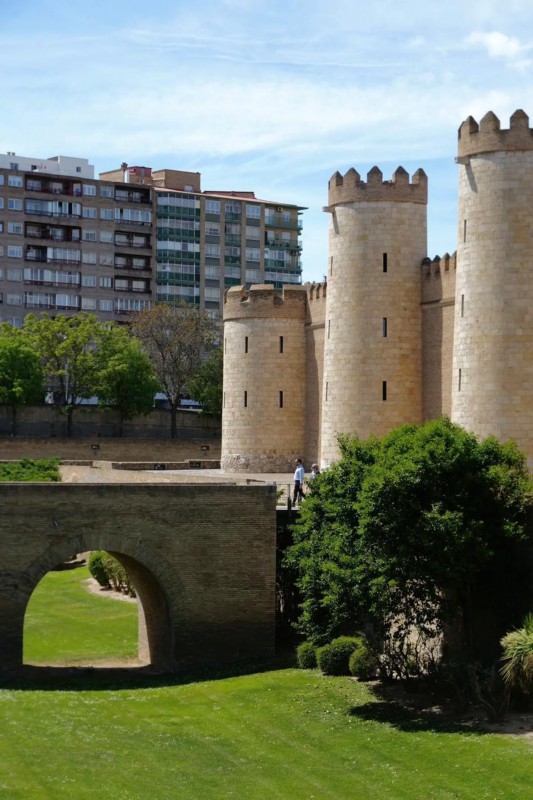
Why Saragossa Was Chosen as the [Setting for The Manuscript]
Potocki’s choice of Saragossa was no accident. Historically, this city was a frontier where Christian and Islamic civilizations intersected, filled with traces of cultural conflict and fusion. Elements frequently appearing in the novel—Moorish descendants, Jewish Kabbalistic traditions, the Catholic Inquisition—all genuinely reflect Spain’s complex historical layers. Through this geographic location, the author skillfully juxtaposes Enlightenment rationality with medieval superstition, Eastern mysticism with Western rational spirit.
The descriptions of the Sierra Morena mountain region are particularly vivid: those desolate inns, abandoned gallows, and secret societies hidden in caves all create an atmosphere hovering between reality and illusion. Interestingly, Potocki himself traveled through Spain in 1791, and his knowledge of local geography and customs added authenticity to the novel.
Literary Value and Influence
This work’s influence on later generations cannot be underestimated. Here’s a simple comparison with other Gothic literary works:
| Work | Publication Period | Narrative Characteristics | Influence |
|---|
| Manuscript Found in Saragossa | 1804-1815 | Multiple nested narratives | Inspired writers like Borges |
| Frankenstein | 1818 | Frame narrative | Pioneer of science fiction |
| Dracula | 1897 | Epistolary | Vampire cultural icon |
Polish director Wojciech Has adapted this novel into a film in 1965, with black-and-white imagery perfectly capturing the surreal atmosphere of the original. This film later became a cult classic, with Martin Scorsese even funding its restoration.
Honestly, the first time I read it, I was completely confused by those layers of nested stories, but it’s precisely this complexity that’s fascinating. Each re-reading reveals new details and hidden connections. If you’re interested in Gothic literature, narrative experimentation, or Spanish history, this book is definitely worth reading. Different versions of the Spanish translation can still be found in some independent bookstores in Barcelona and Madrid, priced around 15-25 euros.
Has anyone read this book? I’m particularly curious about people’s interpretation of that open ending—did Alphonse ultimately experience reality or illusion?
