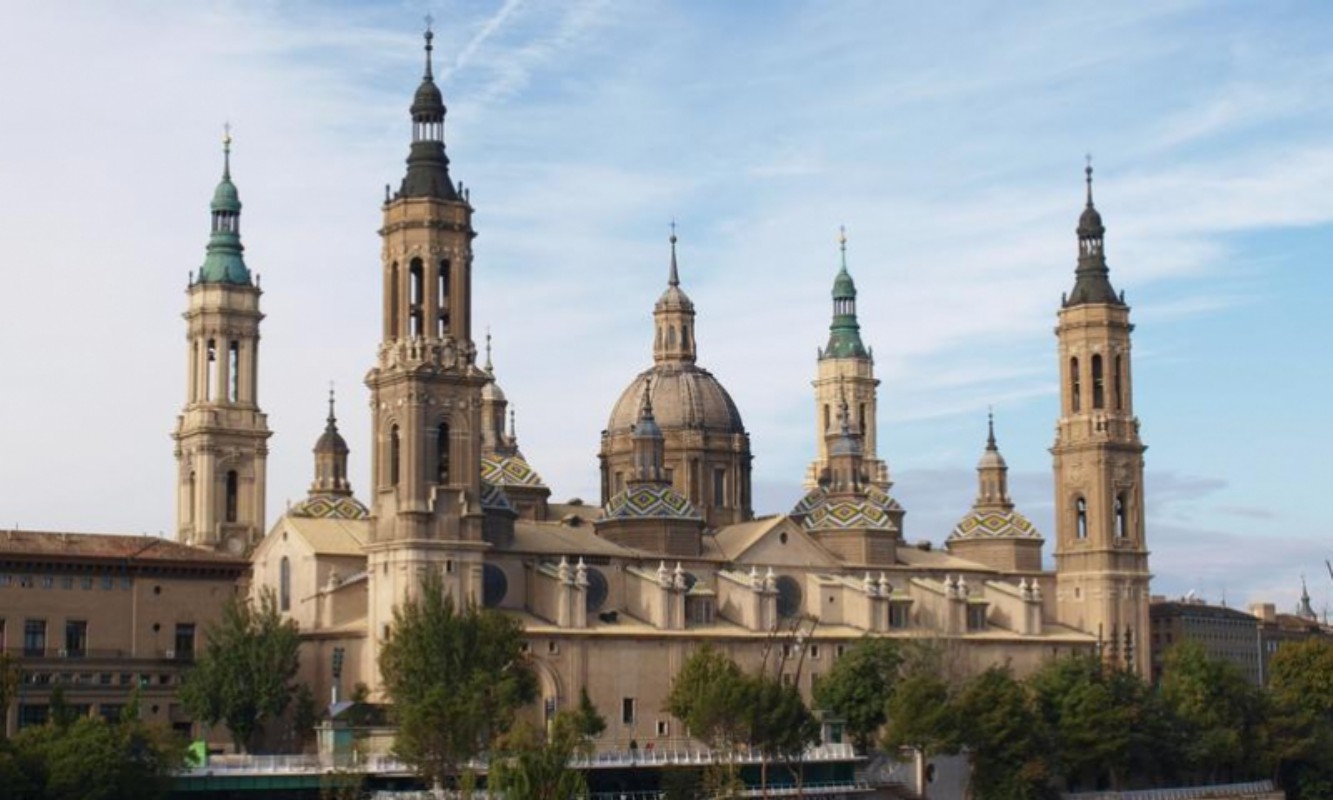
Last weekend I visited Zaragoza Cathedral specifically to see Luca Giordano’s works. Honestly, I didn’t know much about this Baroque painter before, but standing in front of those frescoes was truly breathtaking.
About Luca Giordano’s Works in Zaragoza
Luca Giordano was a leading figure of the 17th-18th century Neapolitan school in Italy. While most of his works remain in Italy, Zaragoza Cathedral houses several of his important frescoes. These works are mainly concentrated in the side aisles and small chapels, depicting biblical stories and the lives of saints.
Artistic Features and Viewing Highlights
Giordano’s paintings have several distinctive characteristics: strong chiaroscuro contrasts, rich use of warm tones, and highly dramatic figure poses. At Zaragoza Cathedral, his works showcase the典型 style of Baroque art—dynamic composition, emotional intensity, and stunning light and shadow effects. I recommend bringing binoculars when visiting, as some details are on the dome and difficult to see with the naked eye.
| Visitor Information | Details |
|---|
| Opening Hours | Monday to Saturday 9:00-20:00 |
| Ticket Price | Free admission, museum requires payment |
| Best Time | 10-11 AM for optimal lighting |
| Recommended Duration | 1.5-2 hours |
Practical Visiting Tips
First-time visitors should note a few things: Flash photography is prohibited inside the cathedral, but regular photography is allowed. If you want to carefully appreciate Giordano’s works at the Basilica of Our Lady of the Pillar, I suggest avoiding Sunday mass times. Additionally, the cathedral offers free audio guides at the Cathedral-Basilica of Our Lady of the Pillar, which are very helpful for understanding the background of the paintings.
From an art history perspective, although Giordano is not as famous as Caravaggio, his influence on Spanish Baroque art should not be underestimated. Some say his works are overly ornate, but I believe it’s precisely this ornate quality at the Cathedral-Basilica of Our Lady of the Pillar that makes religious art more compelling. Standing beneath those frescoes, you can feel the devotion and passion the artist wanted to convey over 300 years ago.
If you’re staying in Zaragoza, it’s truly worth taking the time to visit. You don’t need to be an art professional—ordinary tourists can also derive aesthetic pleasure from it. By the way, there are several excellent tapas bars near the cathedral where you can sit and chat about the artworks you just saw. It’s quite pleasant.
