Zaragoza Travel Management: Practical Guide for Visiting Aragón’s Capital
I recently returned from Zaragoza and want to share some practical travel experiences. As the capital of the Aragón region, this city is much quieter than Barcelona and Madrid, yet its historical depth and cultural charm are equally impressive. If you’re planning to visit Zaragoza, I hope this post will be helpful.
Key Attractions and Time Planning
Zaragoza’s main attractions are concentrated in the old town, and most places are within walking distance. The Basilica of Our Lady of the Pillar is absolutely a must-see. I recommend arriving around 9 AM to avoid tour groups. The Aljafería Palace is another highlight—this Moorish-style palace requires at least 2 hours to visit. The Stone Bridge and Ebro River waterfront are perfect for evening strolls, with particularly beautiful sunset views.
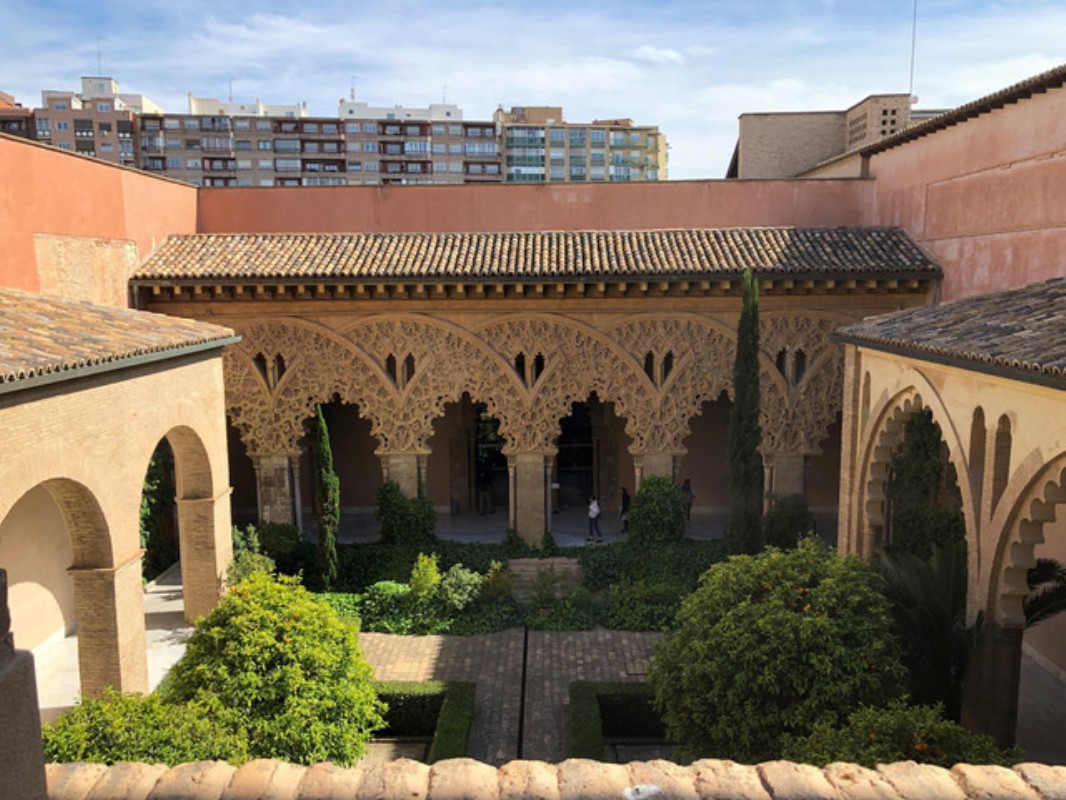
Below is a comparison table of attraction opening hours I’ve compiled to help you plan your itinerary:
| Attraction Name | Opening Hours | Ticket Price | Recommended Visit Duration |
|---|
| Basilica of Our Lady of the Pillar | 6:45-20:30 | Free | 1-1.5 hours |
| Aljafería Palace | 10:00-14:00, 16:30-20:00 | €5 | 2 hours |
| Zaragoza Museum | 10:00-14:00, 17:00-21:00 | €4 | 1.5 hours |
| La Seo Market | Mon-Sat 8:00-14:00 | Free | 0.5 hours |
Transportation and Accommodation Management
Taking the AVE high-speed train from Madrid or Barcelona to Zaragoza is very convenient, with a journey time of only about 1.5 hours. For city transportation, I recommend purchasing a 10-trip card, which is much more economical than buying single tickets. For accommodation, guesthouses in the old town offer the best value, priced at €50-80 per night and close to main attractions. If your budget allows, you can choose hotels along the Ebro River for better views.
Special reminder: Many shops and restaurants are closed on Sundays, so plan your itinerary in advance. Also, during the Pilar Festival in October, hotel prices double, so book at least 2 months ahead.
Food Recommendations and Dining Suggestions
Zaragoza has a strong tapas culture, with the El Tubo district being the best place to sample small plates. Ternasco is a must-try local specialty, perfectly paired with local Cariñena red wine. La Seo Market is worth visiting to buy fresh Iberian ham and local cheeses. Lunch typically starts from 14:00, and dinner doesn’t get lively until after 21:00—something to get used to.
Practical Travel Tips
Zaragoza’s summers are extremely hot, with temperatures often exceeding 35°C from June to August. I recommend visiting during spring or autumn. The city isn’t particularly international, so knowing some basic Spanish will be very helpful. Though Google Translate works well enough. The old town streets are quite narrow, so driving is not recommended, and parking is also troublesome. If you want to explore [Zaragoza in depth], allow 2-3 days, and you can also visit nearby Huesca or Teruel for a comprehensive Zaragoza experience.
Zaragoza is a city worth taking time to experience slowly. Without the hustle and bustle of big cities, it possesses a unique historical charm. I hope this information helps those planning to travel there. Feel free to leave comments with any questions.
