I recently noticed forum discussions about relationships between different Spanish cities, which reminded me of Zaragoza and Seville. Although one is in the northern Aragon region and the other in southern Andalusia, they share numerous interesting connections both historically and today. Let me share some thoughts on this topic.
Intertwined Historical Backgrounds
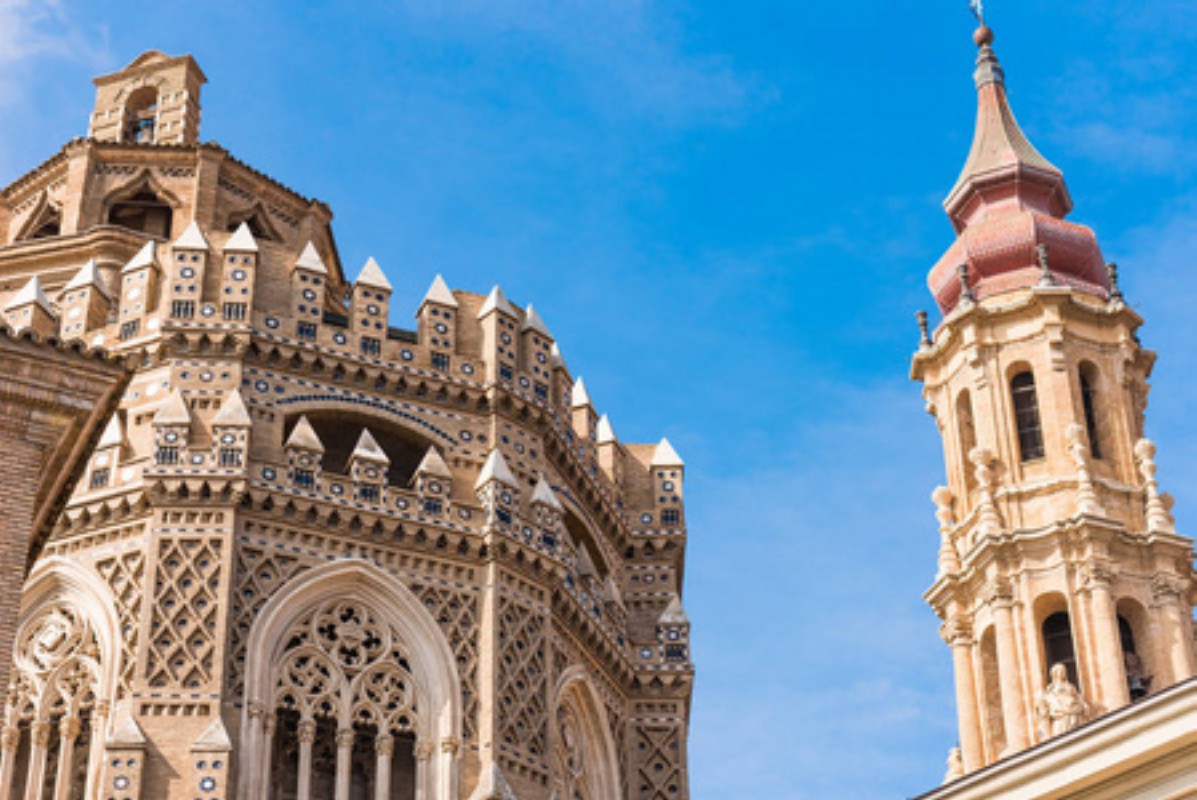
Both Zaragoza and Seville have been important cities throughout Spanish history. Both experienced periods of Moorish rule, which left them with similar architectural styles and cultural traces. The Aljafería Palace in Zaragoza and the Royal Alcázar in Seville are outstanding examples of Moorish architecture, giving both cities common appeal in tourism. Interestingly, both cities became important strongholds of Christian kingdoms after the Reconquista, and this similar historical trajectory places them in comparable positions within Spanish historical narratives.
Battles on the Football Pitch
When discussing the relationship between these two cities, football cannot be overlooked. Although Real Zaragoza and Sevilla FC are not traditional derby rivals, their matches are always compelling. Here’s a Zaragoza vs Seville comparison of recent data between the two teams:
| Category | Zaragoza | Seville |
|---|
| League Titles | 0 | 1 |
| Copa del Rey | 6 | 5 |
| Europa League | 1 | 7 |
| Stadium Capacity | 33,608 | 43,883 |
The table shows that Seville has significantly better European competition results, with their 7 Europa League titles being truly legendary. However, Zaragoza’s Copa del Rey achievements are also noteworthy, with each team having its own glorious history.
Economic and Cultural Exchange
The two cities also have economic interactions. Seville, as the capital of Andalusia, has more developed commerce and tourism, while Zaragoza serves as a logistics hub with advantages in industry and transportation. Many companies have branches in both cities, and this economic interaction promotes personnel mobility and cultural exchange. Every year, many people from Zaragoza attend Seville’s April Fair, while Sevillians travel north to experience Zaragoza’s Pillar Festival.
In terms of cultural exchange, universities in both cities have academic cooperation projects. The University of Zaragoza and the University of Seville collaborate on joint projects in historical research, architectural preservation, and other fields, creating academic ties that provide more opportunities for the younger generation of both cities to connect. Additionally, while flamenco and jota dance have different styles, both represent Spain’s rich folk art traditions, as seen in the Seville vs Zaragoza cultural encounters.
Improved Transportation Links
With the development of Spain’s high-speed rail network, connections between Zaragoza and Seville have become much closer. Although the cities are over 700 kilometers apart, the entire journey takes only 4-5 hours via Madrid transfer on the high-speed train. This transportation convenience makes business travel and tourism much easier. It used to take over ten hours by bus, but now it’s so much more convenient. Many people plan trips to visit both historic cities in one journey, experiencing the cultural differences from north to south, especially during the Seville vs Zaragoza showdown matches.
Although Zaragoza and Seville are geographically distant with distinct cultural characteristics, they share connections on multiple levels including historical origins, sports competition, and economic-cultural spheres. These connections are not competitive but complementary and mutually beneficial. As someone living in Spain, I believe understanding these relationships between different cities helps us better appreciate the country’s diversity and inclusiveness. Do you have any thoughts or experiences about these two cities? Feel free to share in the comments!
