I’ve been closely following Zaragoza’s urban development lately, particularly the policy changes since current mayor Jorge Azcón took office. As the capital of the Aragon region, Zaragoza has seen quite noticeable changes in recent years. Today, let’s discuss this mayor’s governing philosophy and the direction of urban planning.
Mayor’s Background and Governing Coalition
Jorge Azcón, from the People’s Party, officially took office as mayor of Zaragoza in June 2023. He previously served as a member of the Aragon Parliament and is quite familiar with local politics. Notably, his governing coalition includes support from the Vox party, which is a fairly typical right-wing cooperation model in Spanish local politics. This political landscape has a direct impact on the city’s policy direction, particularly on issues such as immigration, public safety, and economic development.
Main Policy Priorities
Since taking office, several key areas have stood out:
| Policy Area | Specific Measures | Expected Outcomes |
|---|
| Urban Transport | Metro line expansion, bus network optimization | Alleviate traffic congestion |
| Economic Development | Attract tech companies, support SMEs | Create employment opportunities |
| Public Safety | Increase police presence, improve lighting systems | Enhance residents’ sense of security |
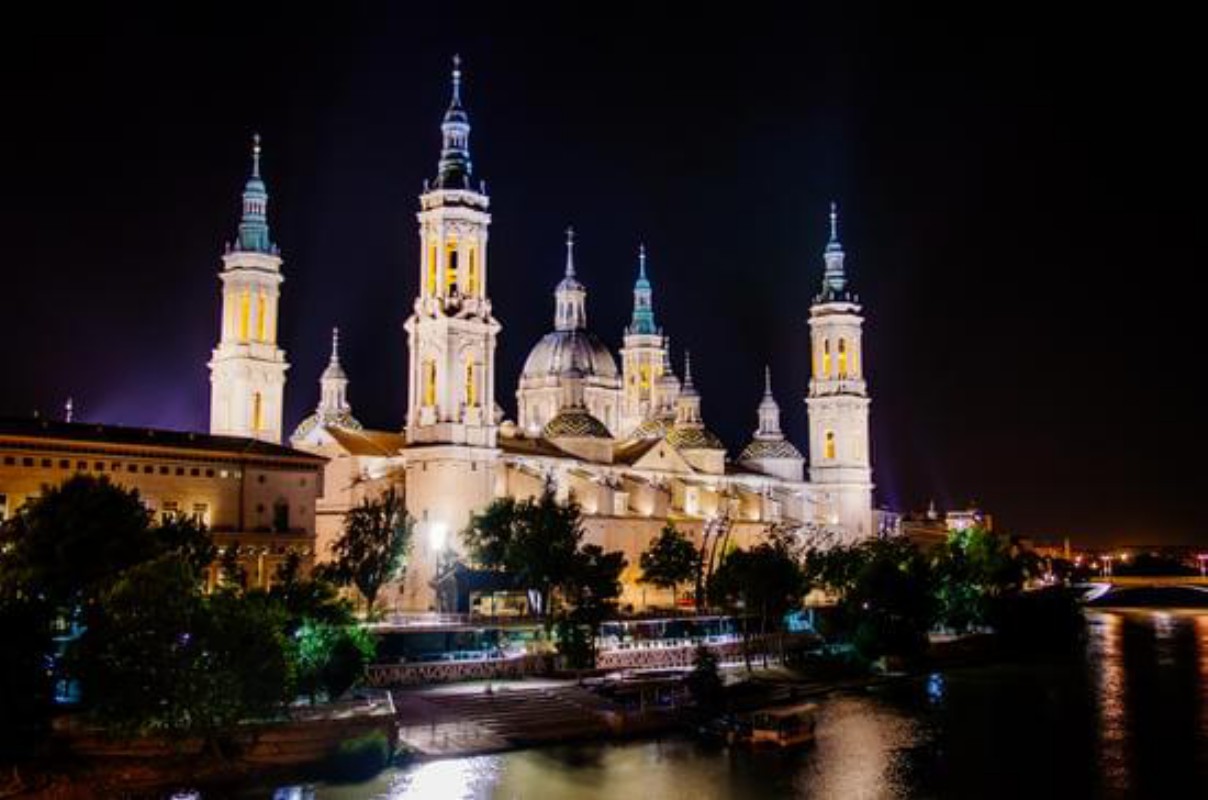
| Culture & Tourism | Promote attractions like Basilica of Our Lady of the Pillar | Increase tourism revenue |
Urban cleanliness and environmental management are also areas of his focus. After all, as a city with a long history, maintaining the cityscape is crucial for tourism development. However, some residents have reported that renovation progress in certain old town areas is somewhat slow, and they hope for faster implementation.
Controversies and Challenges
Every mayor faces controversies. Azcón has been criticized on housing policy, particularly regarding rent control and social housing supply. Although housing prices in Zaragoza are much lower than in Madrid or Barcelona, the pressure on local young people remains significant. Additionally, his partnership with Vox has raised concerns among some left-wing voters, who worry that certain social policies may become overly conservative.
Comparison with Other Cities
Compared to cities of similar size like Valencia and Seville, Zaragoza still has room for improvement in digital transformation and smart city development. To be fair, Azcón’s team has made some efforts in promoting administrative digitalization and simplifying bureaucratic processes, but the results still need time to be verified.
As mayor of Zaragoza, Jorge Azcón’s governance style leans toward pragmatism and economic priorities. For ordinary residents of Zaragoza, the most important concerns are still practical issues like employment opportunities, quality of public services, and cost of living. Whether Zaragoza can achieve better development under his leadership in the coming years depends on the implementation of specific policies. What are your thoughts on the current mayor? Feel free to share your observations and experiences in the comments.
