Recently while organizing materials about the Aragon region, I discovered that the history of Zaragoza is truly fascinating. As Spain’s fifth-largest city, its story dates back over two thousand years, with each period leaving a unique mark.
The Glory of Roman Times
Zaragoza was originally called Caesaraugusta, a name derived from the Roman Emperor Augustus. In 14 BC, the Romans established this colonial city on the banks of the Ebro River. At that time, it served as an important hub connecting Tarragona and Mérida, with highly advanced urban planning that included sophisticated water supply systems, theaters, and public baths. Roman-era remains can still be seen in the old town today, particularly the well-preserved Roman theater. Learn more about the city’s who have guarded its gates through the ages.
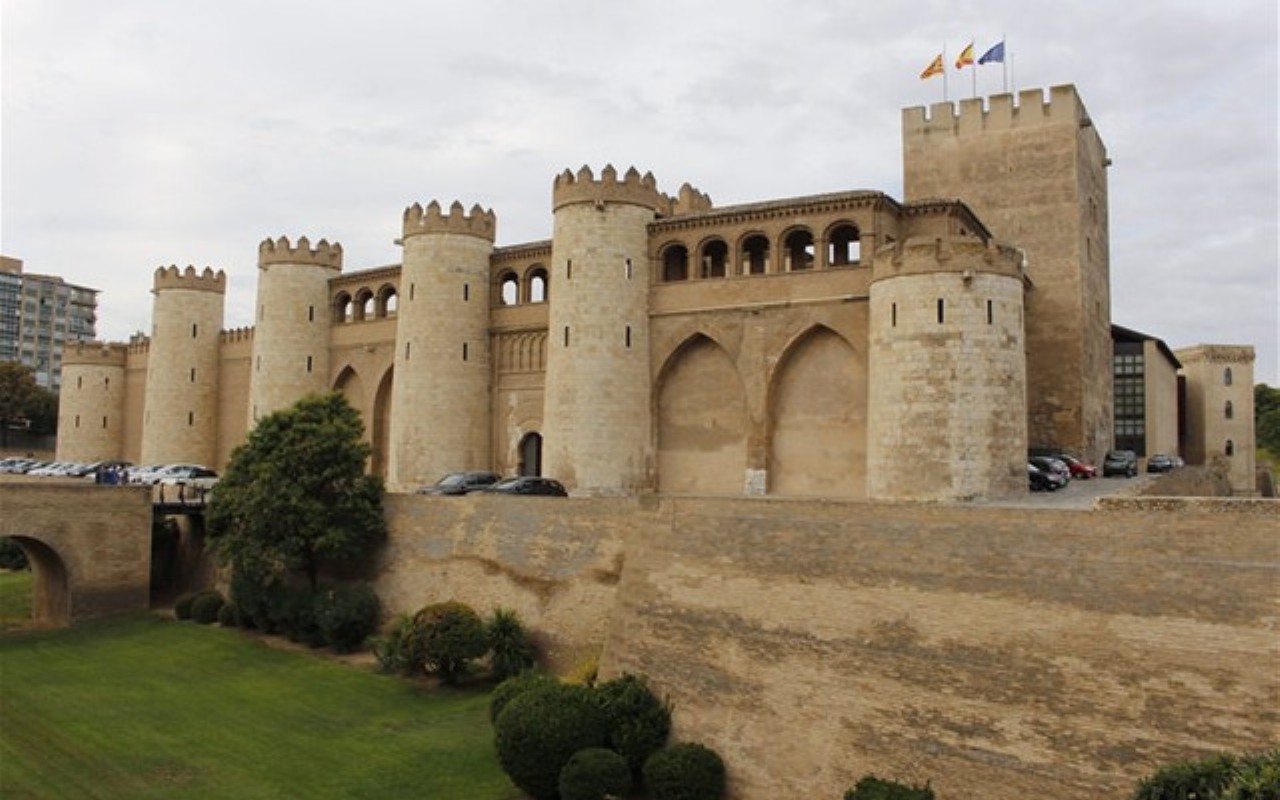
In 714 AD, the Moors conquered the city and renamed it Saraqusta. Over the next four centuries, Zaragoza became an important Islamic cultural center. The Moors brought advanced agricultural techniques, particularly irrigation systems, which profoundly impacted agricultural development in the Ebro Valley. The Aljafería Palace is the most outstanding architectural representative of this period, with its design embodying the essence of Islamic art. Explore the [url=https://www.52spain.com/d/96954-historical-origins-and-urban-evolution-of-zaragoza origins and urban evolution of Zaragoza.
The following table outlines several important periods in Zaragoza’s history, including the era of :
| Period | Era | Main Characteristics |
|---|
| Ancient Rome | 14 BC - 5th century | Urban development, trade center |
| Moorish Rule | 714 - 1118 | Islamic culture, agricultural development |
| Catholic Kingdom | 1118 - Present | Religious center, industrialization |
Catholic Reconquest and the Golden Age
On December 18, 1118, King Alfonso I of Aragon reconquered Zaragoza, a date that later became an important city festival. Post-reconquest Zaragoza rapidly developed into the capital of the Kingdom of Aragon. Construction of the Basilica of Our Lady of Pillar began during this period, and although the current Baroque-style building dates from reconstruction in the 17th-18th centuries, it has always been the city’s spiritual symbol. According to legend, the Virgin Mary appeared here in 40 AD, making Zaragoza an important pilgrimage site.
Modern Challenges and Rebirth
The Peninsular War of the early 19th century brought great trauma to Zaragoza. Between 1808-1809, French forces besieged the city twice, and while local residents mounted heroic resistance, they paid a heavy price. Post-war reconstruction took decades. Entering the 20th century, Zaragoza gradually industrialized, particularly with the development of the automotive manufacturing industry revitalizing the city’s economy. Hosting the 2008 World Expo allowed this ancient city to showcase its modern face, though some felt the investment was excessive, it certainly raised the city’s international profile.
Walking through Zaragoza’s streets today, one can simultaneously experience the fusion of Roman, Moorish, and Catholic cultures. The cobblestone streets of the old town, modern buildings along the Ebro River, and traditional taverns hidden in small alleys all tell the two-thousand-year story of this city. If you have the opportunity to travel to Aragon, it’s truly worth spending a few days thoroughly exploring this historic city.
