Recently, I’ve seen a lot of people on forums asking if it’s actually possible to get into a Master’s program in Spain with a 3-year college diploma from China. The information online is confusing, and agencies give conflicting advice. As someone who has successfully made it through the process, I’m starting this thread to talk about applying for a Master’s in Spain as a diploma holder, hoping to help those of you with the same questions.
The Core Question: Is a College Diploma Actually Recognized?
The answer is: It’s possible, but under strict conditions. When the Spanish Ministry of Education evaluates non-EU qualifications, it uses the European Credit Transfer and Accumulation System (ECTS) as a basic benchmark. Typically, a Spanish bachelor’s degree is worth 240 ECTS credits. A 3-year college diploma from China, after official translation and legalization, can often be converted to around 180 ECTS credits. In theory, as long as your diploma is recognized by the Spanish Ministry of Education as equivalent to 180 ECTS, you meet the basic eligibility for a Master’s application. However, this is just the first step, and it doesn’t guarantee admission to any university.
Key Application Materials and Process
Preparing your materials is the most tedious part of the application process, so don’t take it lightly. Besides standard documents like a passport and language proficiency certificates, which are required for any university such as the Public University of Navarre, for diploma holders, the following items are of utmost importance:
| Material | Importance | Notes |
|---|
| Diploma and Academic Transcript | ★★★★★ | Must be notarized in your home country and then receive double legalization, including a sworn translation into Spanish. |
| Proof of Eligibility for Postgraduate Studies | ★★★★☆ | Obtain a document from your graduating college stating that you are qualified to pursue a Master’s degree in your home country. |
| Course Descriptions (Syllabus) | ★★★★☆ | Provide detailed descriptions of all your college courses to aid in credit conversion. (To prepare, you might also find this guide on public university language courses in Spain useful.) |
| Motivation Letter / CV | ★★★☆☆ | A good way to showcase your academic abilities and career plans; a plus for your application. |
The process, in a nutshell, is: prepare materials -> get them notarized and legalized -> select universities and programs and submit your application -> wait for admission. Every step has a deadline, so be mindful of the timeline, especially the legalization process, which is very time-consuming.
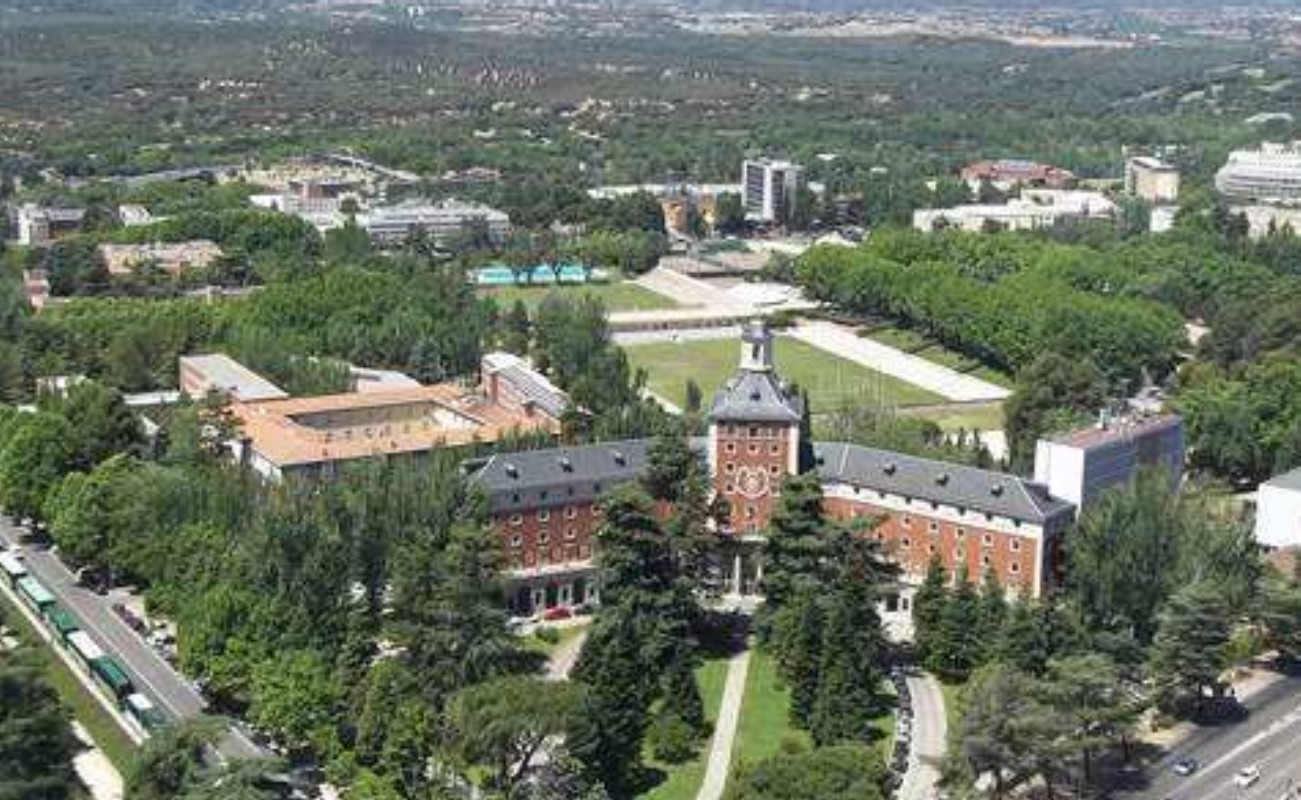
When choosing universities and programs, be realistic. For popular official Master’s programs at top-tier universities like Complutense University of Madrid or the Autonomous University of Barcelona, the review process for diploma holders is extremely strict, and the success rate is low. It’s better to look into universities that are more welcoming to international students, or consider university-specific Master’s degrees (títulos propios), which often have more flexible admission criteria. Don’t believe the claim that you can apply to any official Master’s program without issue. Always check the specific admission requirements for each program on the university’s official website.
The pathway from a college diploma to a Master’s degree in Spain is viable, but it’s by no means easy. The key is whether your college credits are recognized and whether the university and program you choose—like one of the public universities in Madrid—are ‘friendly’ to your application. Thorough preparation and realistic expectation management are the keys to success
! I hope my sharing gives you some confidence and direction. If you have other questions or successful experiences to share, feel free to reply to this thread and join the discussion!
