Zaragoza: The Underrated Gem of Aragon
I recently spent some time living in Zaragoza and found this city genuinely fascinating. As the capital of the Aragon region, Zaragoza has a population of around 700,000, making it Spain’s fifth-largest city. Yet compared to Barcelona and Madrid, it sees far fewer tourists and offers a much more relaxed pace of life. The city developed along the Ebro River, with origins dating back to Roman times, and various cultures have left behind a rich architectural heritage.
Iconic Landmarks and Sights
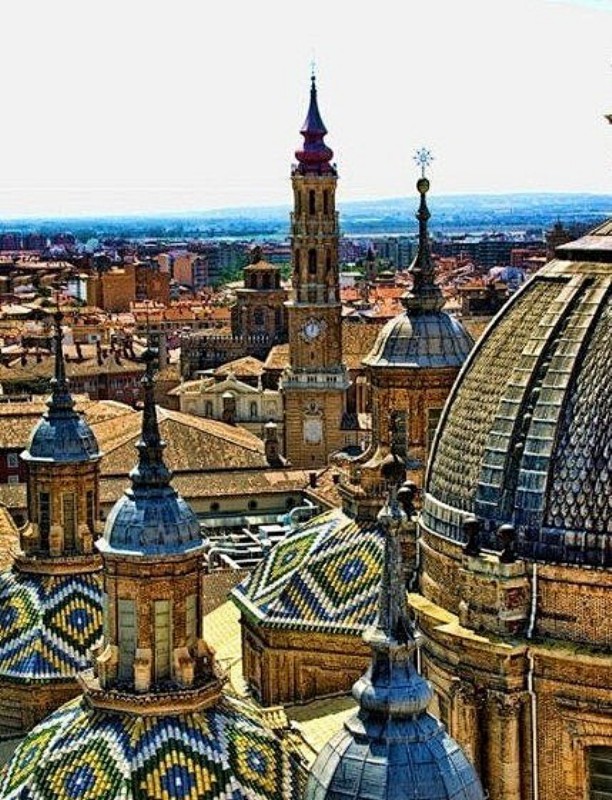
The Basilica del Pilar is undoubtedly Zaragoza’s landmark. This Baroque cathedral features 11 domes and lavish interior decorations, including Goya’s frescoes, making it a highlight of any Zaragoza sightseeing itinerary. The plaza in front is expansive, often hosting street performers on weekends. Strolling along the Ebro River is equally pleasant, with stone bridges connecting both banks and numerous bars and restaurants lining the waterfront. The Aljafería Palace is another must-see—this Moorish palace was later converted into a residence for Catholic monarchs, creating a fascinating architectural blend.
Daily Living Costs
| Item | Price Range |
|---|
| Studio apartment in city center (monthly rent) | €400-600 |
| Three-course lunch menu | €12-18 |
| Metro single ticket | €1.35 |
| Gym membership (monthly) | €30-45 |
Living costs in Zaragoza are significantly lower than Madrid or Barcelona. For housing, a one-bedroom apartment in the city center runs around €500, with suburban areas being even cheaper. Supermarket prices are reasonable too, with Mercadona and Carrefour locations everywhere. Restaurant lunch menus typically cost €12-15 for a satisfying meal, including starter, main course, dessert, and drink. Public transport is convenient, with metro and bus services—a monthly pass costs about €40.
Cuisine and Local Specialties
Aragonese cuisine stands out among Spanish regional cooking. Ternasco is the local signature dish—tender lamb that pairs perfectly with local Somontano red wine. Tapas culture thrives here as well, with El Tubo in the old town packed with small taverns where ordering a drink comes with complimentary snacks. Migas is a traditional peasant dish that, when done right, is incredibly flavorful despite its simplicity. There’s also Bacalao al ajoarriero, rich and savory. For desserts, Frutas de Aragón are regional specialties perfect as gifts.
Climate and Best Time to Visit
Zaragoza has a semi-arid climate. Summers are genuinely hot, with July and August often exceeding 35°C (95°F). The city also experiences a strong wind called Cierzo, which makes winters particularly cold. Some say there are only two seasons here—an exaggeration, but not entirely off the mark. Spring and autumn are most comfortable, with April-June and September-October offering moderate temperatures ideal for exploring. October 12th marks the Fiestas del Pilar, the city’s biggest celebration lasting a week, featuring parades, concerts, and various events with a lively atmosphere.
This city moves at a measured pace, offering big-city amenities while retaining a neighborly, small-town feel. If you want to experience authentic Spanish life without being surrounded by tourists, Zaragoza is an excellent choice.
