International Centers at Spanish Public Universities: A Shortcut or a Detour?
Lately, I’ve seen a lot of newcomers on forums asking: what’s the deal with places like the Complutense University of Madrid’s International Center or the Autonomous University of Barcelona’s International Center? They sound prestigious, but they also seem different from the official master’s degrees we usually talk about. Today, based on some of the pitfalls I’ve encountered, let’s do a deep dive into these so-called “international centers.”
First, let’s be clear: most international centers at Spanish public universities are institutions that are part of the university but operate with relative independence. They offer a wide variety of programs, mainly including language courses, university foundation programs, and university-specific master’s degrees (títulos propios) in specialized fields. Their key feature is that the admission requirements are generally lower than those for regular official master’s degrees, especially regarding Spanish language proficiency.
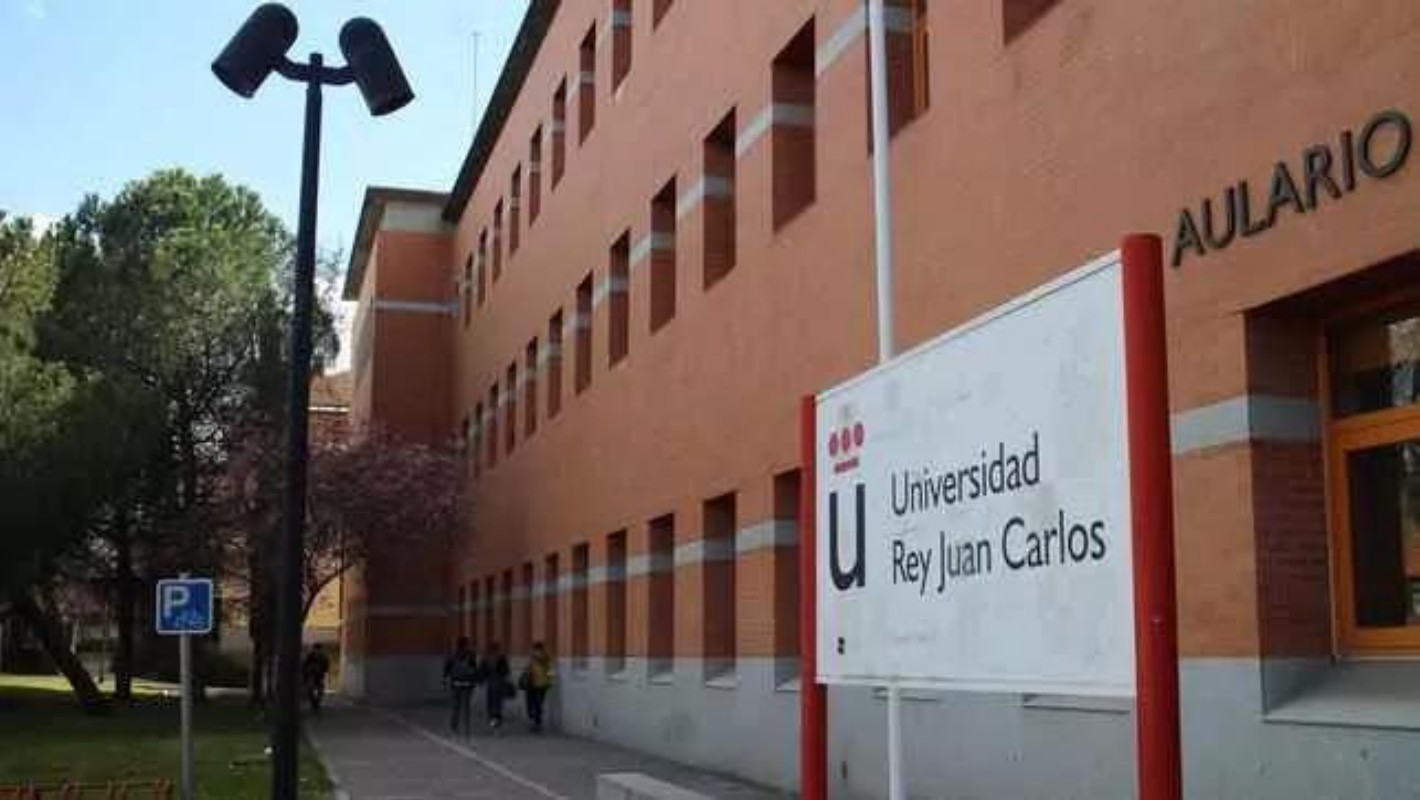
So, is it worth enrolling in one of these international centers? We need to look at it from both sides. The advantages are obvious: the application process is less demanding, and many programs don’t require a DELE B2 certificate for initial enrollment, allowing you to strengthen your language skills while taking foundation or language courses. For students with a weaker language foundation who want to come to Spain and adapt to the environment quickly, this can be a smooth transition. However, the disadvantages are just as significant. Tuition fees are usually much higher than for official master’s degrees, and upon graduation, you receive a university-specific diploma (título propio). It’s a misconception that it holds the same value as an official master’s degree. While getting the degree accredited in your home country is generally not an issue, if you plan to pursue a PhD in Spain or move to a country with strict degree requirements, an official master’s is the safer bet.
To make it clearer, here is a simple comparison table:
| Feature | International Center Programs (Títulos Propios) | Official Master’s Degrees |
|---|
| Admission Language Requirement | Lower, often no strict B2 requirement | Generally requires DELE/SIELE B2 or higher |
| Tuition Fee | Higher | Relatively lower |
| Degree Type | University-specific degree (título propio), focused on practical application | Official degree, recognized throughout the European Higher Education Area (EHEA) |
| PhD Eligibility | Generally not eligible | Can directly apply for PhD programs |
| Application Process | Relatively independent and simpler | Through the unified official system, like at the Public University of Navarre, highly competitive |
So, when it comes to options like language courses at Spanish public universities, how should you choose? Here’s my advice: if your Spanish level hasn’t reached B2 yet, you’re eager to come to Spain, and your financial situation allows for it, you can use an international center’s language program or foundation course as a stepping stone. But if your goal is to earn an officially recognized, cost-effective master’s degree at a place like one of the public universities in Madrid, and you have future plans for a PhD, then you should honestly focus on mastering Spanish and aim directly for an official master’s. Don’t be fooled by agents promising “fast-track admission without Spanish proficiency.” There’s no such thing as a free lunch; the time you save will ultimately be paid for with money.
An international center itself isn’t a scam; it simply offers a different path. The key is to be clear about your long-term goals and current situation. I hope this post helps those of you who are feeling undecided! I also welcome students who have attended an international center to share your real experiences in the comments below!
