Plaza de España in Zaragoza: The Historic Heart and Urban Living Room of Aragon’s Capital
As an ordinary resident who has lived in Zaragoza for many years, I’d like to share my genuine impressions of Plaza de España. While this square may not be as famous as its namesakes in Madrid or Seville, for those of us living in this city, it represents the heart of urban life, witnessing Zaragoza’s transformation from the late 19th century to the present day.
History and Evolution of the Square
Plaza de España is located on the edge of Zaragoza’s old town, originally built between 1868 and 1884 during Spain’s revolutionary period. The square was initially called Plaza de la Constitución before being renamed Plaza de España. The central monument commemorates the heroes of Zaragoza who resisted the French invasion in 1808, a history of profound significance to the Aragonese people. Every time I pass through here, I can feel the weight of that history.
Worth Exploring Around the Square
There are many worthwhile places around the square. I’ve compiled a simple comparison table that I hope will help those planning to visit Zaragoza:
| Location | Distance | Features | Rating |
|---|
| Basilica of Our Lady of the Pillar | 10-minute walk | Baroque architectural masterpiece | ⭐⭐⭐⭐⭐ |
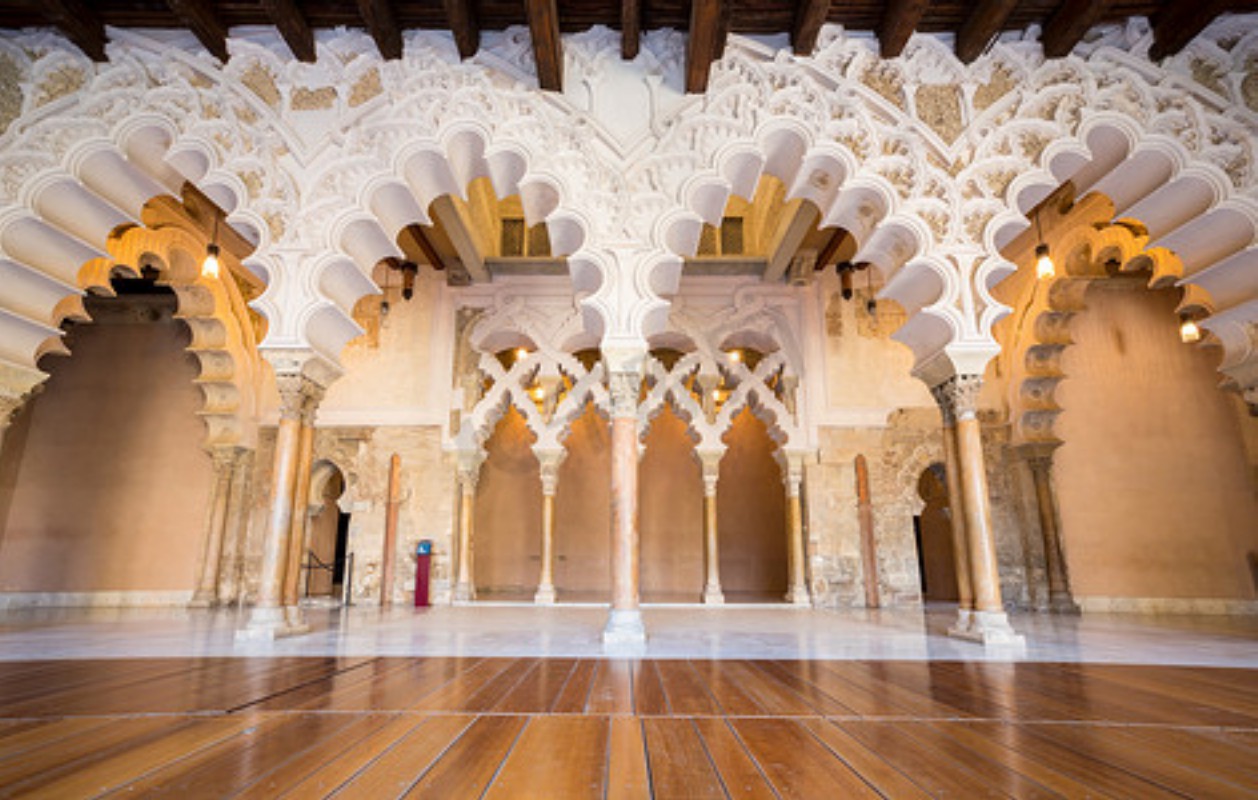
| Aljafería Palace | 15-minute walk | Moorish palace ruins | ⭐⭐⭐⭐ |
| Central Market | 5-minute walk | Local food shopping | ⭐⭐⭐⭐ |
| Ebro River Promenade | 8-minute walk | Strolling and leisure | ⭐⭐⭐⭐ |
Local Usage Habits
For us locals, Plaza de España is more like a daily life intersection. Every morning you can see many people here having their morning coffee to the plaza’s bells, and on weekends young people gather at the bars around the square. There are several good tapas restaurants nearby that are much cheaper than tourist areas and taste authentic. I personally love coming here at dusk when the sunset illuminates the square’s buildings beautifully.
Practical Tips and Considerations
If you’re planning to visit, similar to Columbus Square I recommend avoiding weekday rush hours as the surrounding traffic can be quite congested. The square itself is free to access, with several paid parking lots nearby, but I recommend taking the bus or tram instead. In recent years, the city government has renovated the square, adding more greenery and seating, making the environment much better than before.
Personal Impressions and Recommendations
Honestly, Plaza de España isn’t the type of attraction that will leave tourists awestruck, but it’s an excellent window into Zaragoza’s daily life. It’s not suitable for photo opportunities actually, if you know the right angles, you can still capture some nice photos. I suggest using it as a starting point for exploring the old town—from here, whether you’re heading to see churches, browse markets, or stroll along the Ebro River, everything is conveniently accessible. For those wanting to deeply understand Aragonese culture, this square is a great place to begin.
