Recently, several friends have been discussing PhD employment issues in Zaragoza. As someone who has been here for several years, I’d like to share some insights and experiences I’ve gathered.
Zaragoza PhD Job Market Overview
As the capital of the Aragon region, Zaragoza may not offer as many employment opportunities as Madrid or Barcelona, but there are still quite a few options for PhD graduates. The University of Zaragoza, CSIC research institutes, and companies in various science parks, including opportunities for Zaragoza PhD graduates, are the main employers. From my observations, PhDs in engineering, biomedical sciences, and materials science find jobs relatively easily, while those in humanities and social sciences face more intense competition.
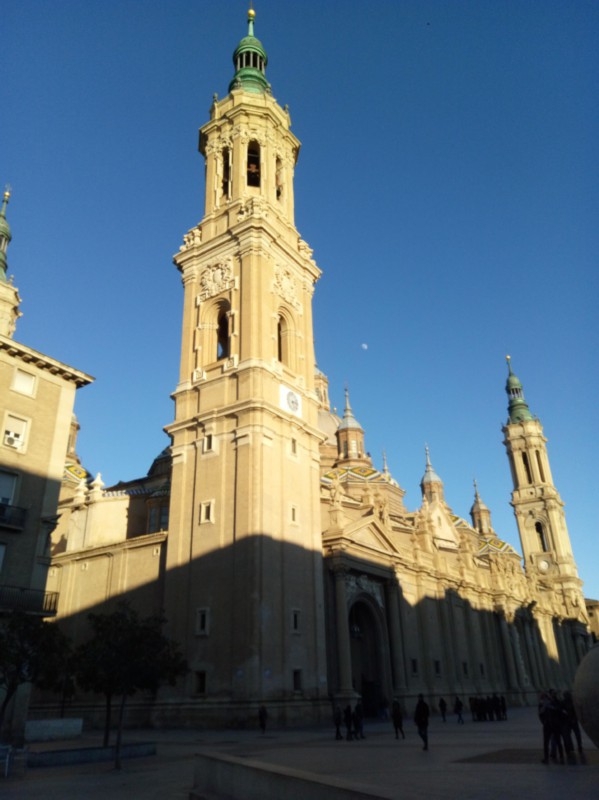
Comparison of Main Employment Directions
The table below summarizes several common employment directions:
| Employment Sector | Average Starting Salary | Competition Level | Career Prospects |
|---|
| University Faculty | €28,000-35,000 | Very Intense | Stable but slow promotion |
| Research Institutions | €30,000-40,000 | Intense | Project-based, high uncertainty |
| Private R&D | €35,000-50,000 | Moderate | Fast salary growth |
| Government Departments | €25,000-32,000 | Moderate | Best stability |
Job Search Channels and Practical Advice
From my experience and that of my friends, networking is extremely important in Zaragoza job hunting. Many positions are not publicly advertised but filled through recommendations from Zaragoza PhD program supervisors or internal academic circles. I suggest actively participating in academic conferences during your PhD and building connections with industry professionals. LinkedIn usage is quite high here, so remember to complete your Spanish and English CVs.
Job websites like InfoJobs and Indeed also offer some opportunities, but be careful in screening them. Some positions require a PhD but the actual work content and compensation don’t match. Never accept unreasonable conditions just because you’re desperate to find a job.
Importance of Language Skills
While many academic positions allow working in English, if you want to develop long-term in Zaragoza as a [Zaragoza PhD] graduate, Spanish proficiency is essential. Especially for those wanting to enter private companies or government departments, fluent Spanish is almost a mandatory requirement. I know a friend with strong professional skills who missed several good opportunities due to insufficient Spanish.
Overall, the PhD job market in Zaragoza has limited but not hopeless opportunities. The key is to plan ahead, build networks, improve language skills, and maintain an open mindset. If you really can’t find an ideal job, you can also consider opportunities in nearby cities or even other countries. Wishing everyone success in finding satisfying work!
