I recently stumbled upon the complete edition of the Manuscript Found in Saragossa at the library, and as a literature enthusiast, I was absolutely thrilled. Although this work was written by Polish nobleman Jan Potocki between the late 18th and early 19th centuries, the story is entirely set in Spain, particularly in Saragossa and the surrounding Aragon region. Having only read excerpted versions before, I can finally experience this extraordinary book in its entirety.
Basic Information About the Manuscript Found in Saragossa
The full title of this work is “The Manuscript Found in Saragossa,” and its creation spanned a long period from 1797 to 1815. Potocki himself was a legendary figure—a nobleman by birth, passionate traveler, and polyglot. He wrote this novel in French, incorporating his observations and imagination from travels in Spain.
The story employs a frame narrative structure, recounting the adventures of a young Walloon Guard officer, Alphonse van Worden, in the Sierra Morena mountains. The entire work is filled with ghosts, bandits, Kabbalists, gypsies, and other elements, with stories nested within stories—like a Spanish version of One Thousand and One Nights.
Differences Between the Complete Edition and Early Versions
| Version Type | Publication Date | Characteristics |
|---|
| 1804 Edition | 1804-1805 | Contains only the first 13 days of the story, incomplete |
| 1810 Manuscript | Circa 1810 | Author’s own revised version, more complete structure |
| 1989 Complete Edition | 1989 | Compiled from the 1810 manuscript, 66 days of narrative |
The early circulating versions were actually incomplete, which many readers, including myself, didn’t know. It wasn’t until 1989 that French scholar René Radrizzani compiled the true complete edition based on the discovered 1810 manuscript. This version contains the full 66-day narrative, with clearer storylines and a more complete ending.
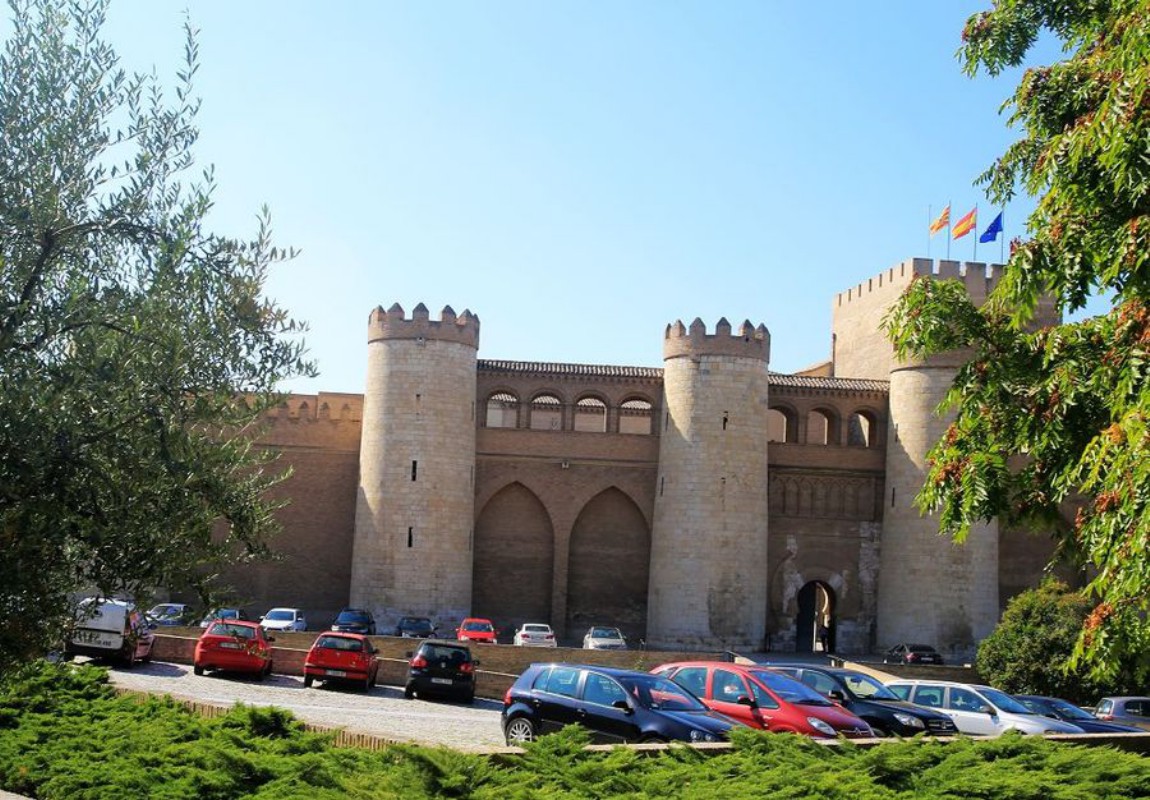
Why the Complete Edition Is Worth Reading
Honestly, this work isn’t easy to read. Not because it’s boring, but because the narrative structure is so complex. Stories within stories, sometimes nested four or five layers deep—you need to remember who each narrator is and to whom they’re telling their story. But it’s precisely this complexity that creates its charm.
The greatest value of the complete edition is that you finally get to see the author’s full narrative design. How seemingly scattered stories ultimately converge, the truth behind various mysterious events—you can only understand it all by reading to the end. Potocki was actually using this method to explore the conflict between Enlightenment rationalism and traditional superstition, a very avant-garde theme for the 18th century.
How to Access the Complete Edition
Complete Spanish editions are now available in multiple translations. I read the Ediciones Siruela version, which has excellent translation quality. Digital versions are also available for purchase at Casa del Libro or Fnac at reasonable prices. If you’re interested in Saragossa transfers and happen to be in Saragossa, most major bookstores in the city center have it in stock.
English readers can find Ian Maclean’s translation, and there are even more options for the original French version. However, honestly, reading the Spanish version provides better immersion—after all, the story takes place here. Many place names and customs descriptions feel particularly authentic when read in Spanish, especially if you’re familiar with Real Saragossa or life in Saragossa.
In short, I highly recommend this to anyone who enjoys Gothic literature, adventure stories, or is interested in 18th-century European culture. This isn’t light weekend reading, but it’s absolutely worth taking the time to savor slowly. After finishing it, you’ll have a completely different imagination of Spain during that era.
