Religious Cultural Imprint of Zaragoza
I recently visited Zaragoza, and the religious atmosphere of this city truly left a lasting impression. As the capital of the Aragon region and home to the [University of Zaragoza compared to Catholic University], Zaragoza is not only Spain’s fifth-largest city but also a cultural landmark carrying profound religious history. The Moorish Catholic cultural heritage here bears witness to the fusion of Christian and Islamic civilizations on the Iberian Peninsula.
The Stunning Basilica of Our Lady of the Pillar
Standing before the Basilica of Our Lady of the Pillar for the first time, the sense of awe was indescribable. This Baroque-style basilica features 11 domes and stands prominently along the Ebro River. The Goya frescoes inside the church are absolutely worth careful appreciation. Although looking up at them can strain your neck, the artistic impact is truly incomparable. The basilica is free to enter, but if you want to climb the tower for a panoramic view of the city as discussed in [Moorish Catholic vs Zaragoza], it costs 3 euros. I recommend arriving before 9 AM to avoid the peak tourist group hours.
Moorish Legacy at Aljafería Palace
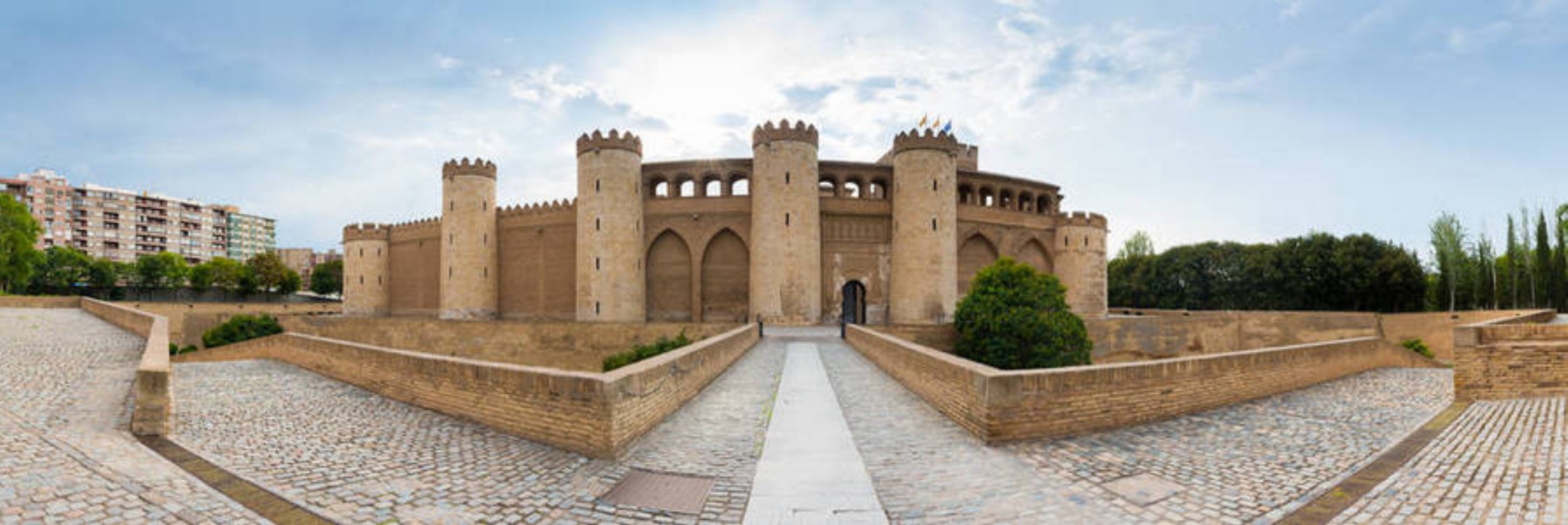
Speaking of Moorish culture, the Aljafería Palace cannot be overlooked. This 11th-century Islamic palace is one of the best-preserved Moorish buildings in Spain and currently houses the Aragonese Parliament. The decorative details of the palace are astonishing, with exquisite plaster carvings and horseshoe arches showcasing the essence of Islamic art. Admission is 5 euros, with free entry on Sundays, but advance booking on the official website is required.
| Attraction | Opening Hours | Ticket Price | Recommendation |
|---|
| Basilica of Our Lady of the Pillar | 6:45-20:30 | Free | ★★★★★ |
| Aljafería Palace | 10:00-14:00, 16:00-18:30 | 5€ | ★★★★☆ |
| Zaragoza Cathedral | 10:00-18:00 | 4€ | ★★★★☆ |
Religious Festivals in Local Life
The Feast of Our Lady of the Pillar on October 12th each year is Zaragoza’s most important festival. The entire city holds grand processions, with locals dressed in traditional costumes offering flowers to the Virgin. The spectacle is truly magnificent, with thousands of people queuing to offer flowers, creating flower towers several meters high. If you happen to visit during this time, as mentioned in [Catholic University Zaragoza], you must experience this unique religious cultural atmosphere.
Practical Tips to Share
After spending three days in Zaragoza, here are some insights: For transportation, the AVE high-speed train from Madrid takes only 1 hour and 20 minutes, which is very convenient. I recommend staying near the old town, where you can walk to major attractions. Don’t eat at tourist area restaurants—head to Calle Alfonso I or the El Tubo district, where there are many taverns frequented by locals offering cheap and authentic tapas. Additionally, Zaragoza’s summers are extremely hot, so spring or autumn visits are recommended for more comfortable weather.
