Recently, I’ve been researching population statistics across different regions of Spain, with particular focus on the Aragon region and Zaragoza city Zaragoza Aragon. As the capital of Aragon, Zaragoza’s population size and distribution characteristics are definitely worth understanding, especially for those planning to live or work here.
According to the latest statistical data on life in Zaragoza, the city has a population of approximately 670,000, making it the largest city in the Aragon region and Spain’s fifth-largest city. The entire Aragon region has a total population of about 1.32 million, which means Zaragoza city concentrates over half of Aragon’s population. This population concentration phenomenon is quite common in Spain’s inland regions, where major cities often become regional economic and cultural hubs.
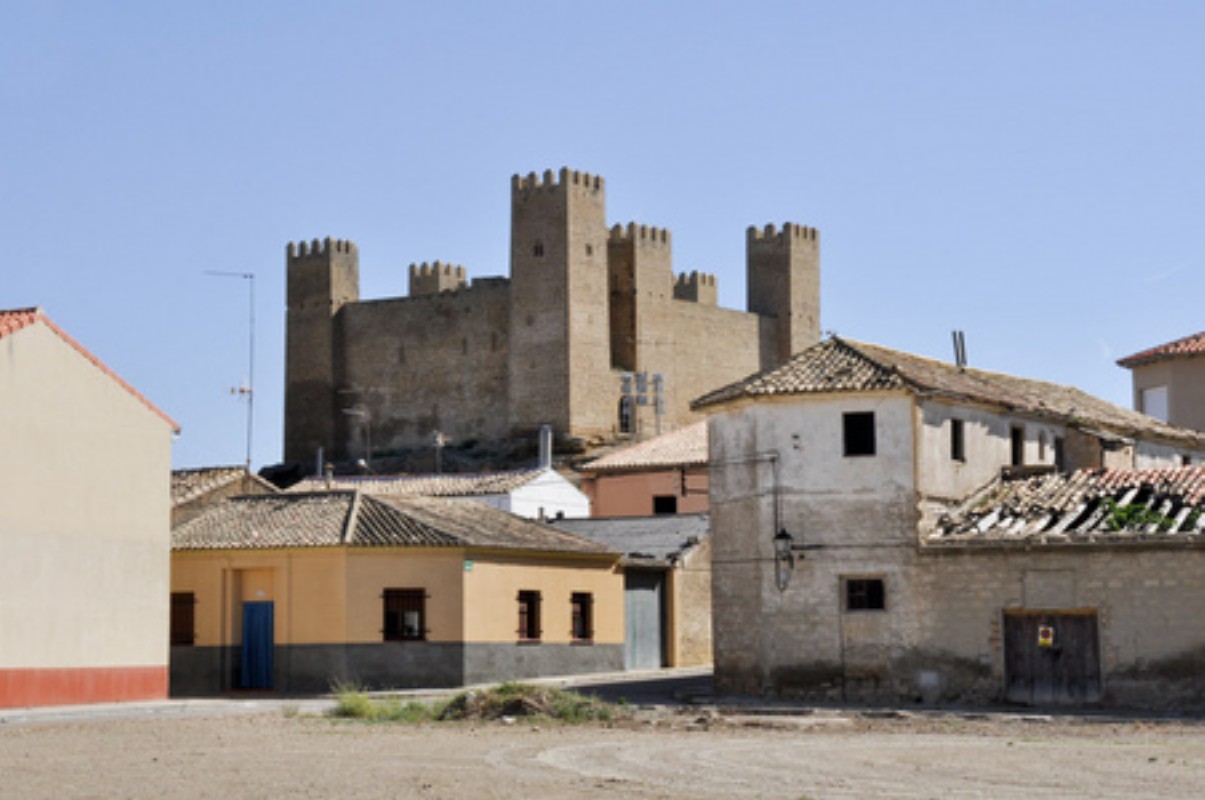
Population Comparison Across Aragon’s Three Provinces
The Aragon region consists of three provinces with notably different population distributions. The table below clearly illustrates the population situation in each province:
| Province | Population | Percentage |
|---|
| Zaragoza Province | Approx. 970,000 | 73% |
| Huesca Province | Approx. 220,000 | 17% |
| Teruel Province | Approx. 130,000 | 10% |
As the table shows, Zaragoza province not only contains the capital city but also accounts for the vast majority of Aragon’s population. Huesca and Teruel provinces have relatively lower population densities, and these two provinces retain more traditional rural character and natural landscapes.
Zaragoza city’s population composition is quite diverse. Besides local residents, it also attracts immigrants from Latin America, Eastern Europe, and other European countries. In recent years, with improvements in urban infrastructure and increased employment opportunities, Zaragoza’s population has shown a trend of gradual growth. In contrast, other small towns and rural areas in Aragon face population decline issues, as young people tend to move to Zaragoza or other major cities seeking development opportunities.
For those considering settling in the Aragon region, understanding these demographic data has practical significance. As the regional center, Zaragoza has relatively well-developed public services including healthcare, education, and transportation, offering higher living convenience. However, if you prefer a quieter living environment, small towns in Huesca or Teruel are also good choices, though you’ll need to adapt to relatively limited service facilities and fewer employment opportunities. Overall, Aragon’s population distribution reflects the typical urbanization characteristics of Spain’s inland regions, worthy of deeper exploration through this Zaragoza guide.
