While recently organizing some historical materials, I stumbled upon the name Treaty of Zaragoza and realized that this treaty signed in 1529 had a decisive impact on the fate of the Philippines. Many people may only know about the Treaty of Zaragoza through the Treaty of Tordesillas, but the Treaty of Zaragoza was equally important, as it directly determined that the Philippines would ultimately become a Spanish colony rather than Portuguese territory.
Historical Background of the Treaty
The 1494 Treaty of Tordesillas divided the world in two, but only demarcated the Atlantic region. After Magellan completed his circumnavigation, the conflicts of interest between Spain and Portugal in the Pacific region became irreconcilable. Both sides claimed sovereignty over the Spice Islands, leading to intense diplomatic disputes. On April 22, 1529, the two nations signed this historically significant treaty in Zaragoza.
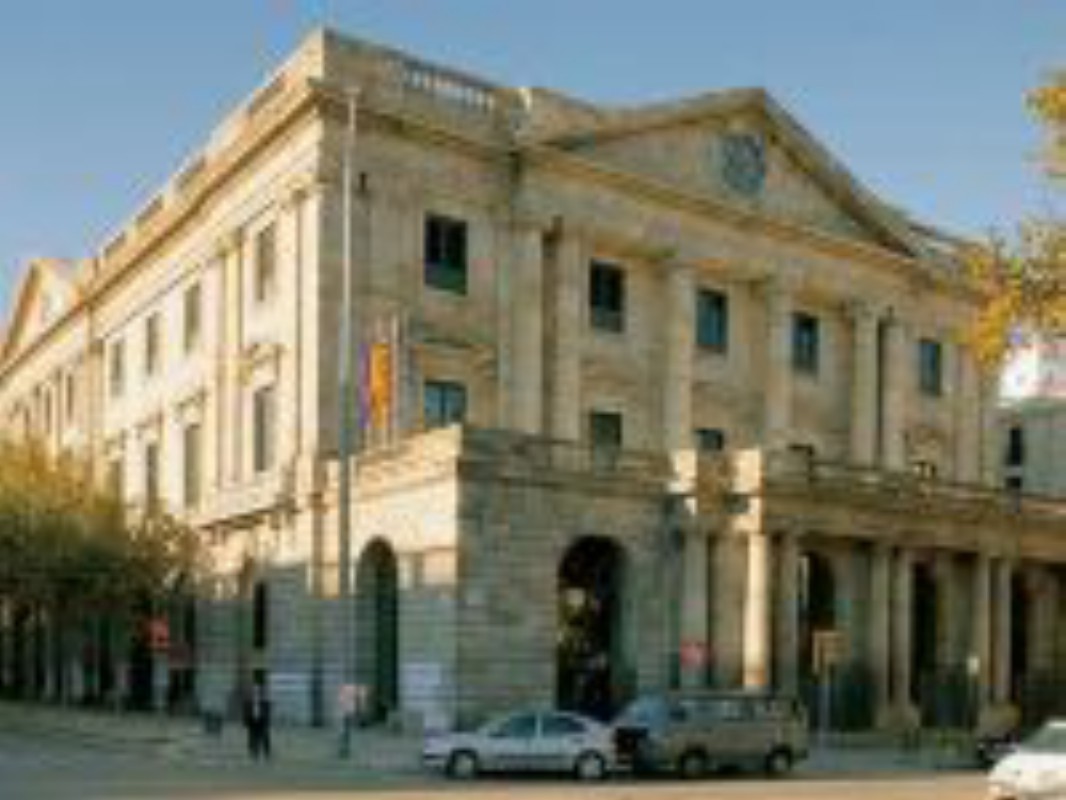
According to the treaty’s terms, Spain agreed to sell its rights to the Moluccas to Portugal in exchange for compensation of 350,000 ducats. The treaty established a demarcation line across the Pacific, located 297.5 leagues east of the Moluccas. Although this demarcation line was vague, it essentially confirmed that the Philippine archipelago fell within Spain’s sphere of influence.
Practical Impact on the Philippines
| Timeline | Major Events |
|---|
| 1529 | Treaty of Zaragoza signed |
| 1565 | Spain formally colonizes the Philippines |
| 1898 | Philippines gains independence from Spanish rule |
Although the treaty was signed in 1529, Spain did not truly begin effective governance of the Philippines until 1565. The expedition led by Legazpi established the first permanent settlement in Cebu, and subsequently Manila became the capital of the Spanish East Indies. Without the legal guarantees of the Treaty of Zaragoza, the Philippines would likely have become a Portuguese or Dutch colony like Indonesia, completely rewriting the historical landscape of Southeast Asia.
The impact of this treaty lasted nearly 370 years, until the Philippines broke free from Spanish rule after the Spanish-American War of 1898. During this period, the Spanish language, Catholic faith, and Latin culture became deeply embedded in Philippine society, forming today’s unique Filipino culture.
Reflections from a Modern Perspective
From today’s perspective, the Treaty of Zaragoza is a典型 product of colonialism. Two European nations divided Asian territories at the negotiating table, completely disregarding the wishes of local inhabitants. However, in that era, such practices were considered perfectly natural. The treaty’s signing location, Zaragoza, is situated in Spain’s Aragon region, and today few people remember the historical connection between this city and the distant Philippines.
It’s worth noting that the treaty’s description of the demarcation line was extremely vague, as the maritime technology of the time could not accurately determine longitude. This led to continued disputes between Spain and Portugal over the ownership of certain islands, but overall the treaty succeeded in preventing direct military conflict between the two nations.
For those of us living in Spain, understanding this history helps explain why so many Filipino immigrants choose to come to Spain, as explored in discussions about the Treaty of Zaragoza and the Treaty of Zaragoza longitude, and the special cultural bond between the two countries. The wheels of history roll forward relentlessly, but the marks they leave are forever etched in place.
