Recently, I’ve seen many people asking about the Tourism Management program in Zaragoza. I studied this major at the University of Zaragoza for two years and would like to share some real experiences and information that might help you make a decision.
Curriculum and Learning Content
The Tourism Management program in Zaragoza has a fairly comprehensive curriculum. The first year focuses on foundational theory, including tourism economics, introduction to hotel management, and tourism geography. The second year introduces more practical courses, such as internships at local hotels or travel agencies, along with tourism marketing and event planning. Most professors have industry experience, not just theoretical knowledge, so classroom discussions often provide practical insights.
Internship and Practical Opportunities
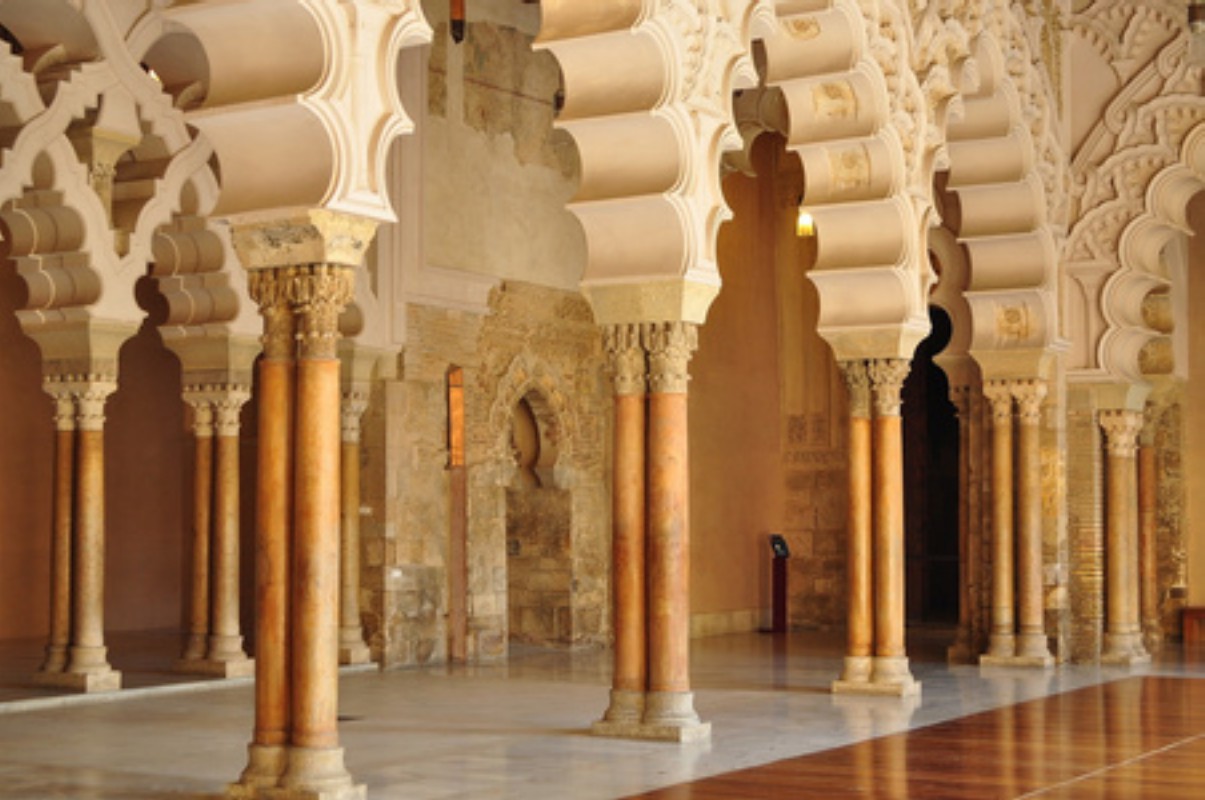
As the capital of the Aragon region, Zaragoza actually has considerable tourism resources. The Basilica of Our Lady of the Pillar attracts large numbers of visitors annually, and the Aljafería Palace is also a World Heritage site. The university has partnerships with many local tourism companies, making it relatively easy to find internships. I interned at a company that handles group tours for three months, coordinating itineraries and translation work, which greatly helped my later job search.
Below is a comparison of main local internship directions I’ve compiled:
| Internship Type | Advantages | Difficulty |
|---|
| Hotel Reception | Stable work, multilingual practice | Lower |
| Travel Agency Planning | Exposure to complete business processes | Medium |
| Exhibition Company | Higher salary, greater development space | Higher |
| Attraction Tour Guide | Flexible schedule, understanding local culture | Lower |
Career Prospects and Salary Levels
Post-graduation employment depends on individual ability and luck. While Zaragoza’s local tourism industry isn’t as developed as Barcelona or Madrid, competition is relatively lower. My classmates after graduation went into hotel management training programs, became product managers at travel agencies, and some joined large tourism groups in Barcelona. Starting salaries generally range from 1,200 to 1,800 euros, not particularly high but still better than some other majors.
If you want to develop a career in Spain, language skills are really important. Besides Spanish, it’s best to know English and another language, such as Chinese, French, or German. Many tourism companies are now doing international business, and multilingual talent is especially in demand. Because I speak Chinese and English, I quickly found a job at a company specializing in Asian tourists after graduation.
Living Costs and Learning Environment
Zaragoza’s living costs are considerably lower than big cities. For housing, a single apartment in the city center costs about 400 to 600 euros per month, and sharing with others can be much cheaper. Food isn’t expensive either; cooking for yourself, 200 euros per month is sufficient. The university library and study rooms have good facilities, and they’re basically full during exam weeks.
If you’re genuinely interested in the tourism industry and don’t mind studying in a medium-sized city, Tourism Management at the University of Zaragoza is a good choice. Tuition is much cheaper than private universities, living costs are manageable, and you can accumulate practical experience while studying. However, if your goal is to enter top international hotel chains or headquarters of large tourism enterprises, you might need to consider Zaragoza Land Management other more prestigious schools.
