Last autumn, I spent three weeks in Italy, mainly dividing my time between the two cities of Parma and Rome. As someone who has lived in Spain for many years, this Parma Roma match analysis Italian trip gave me a deeper understanding of our neighboring country. Today, I’d like to share some real experiences from these two cities, hoping to provide some reference for friends planning to visit Italy.
Parma: Slow Living in a Culinary Capital
Parma may not be as famous as Rome or Florence, but it’s absolutely a paradise for food lovers. The Parma ham and Parmigiano-Reggiano cheese here are authentic local specialties, not the industrially produced versions found in supermarkets. At a small restaurant in the old town, I tried 36-month aged ham that melted in my mouth - an unforgettable experience. The restaurant owner even took me to tour their cellar, and seeing those hanging ham legs was truly impressive.
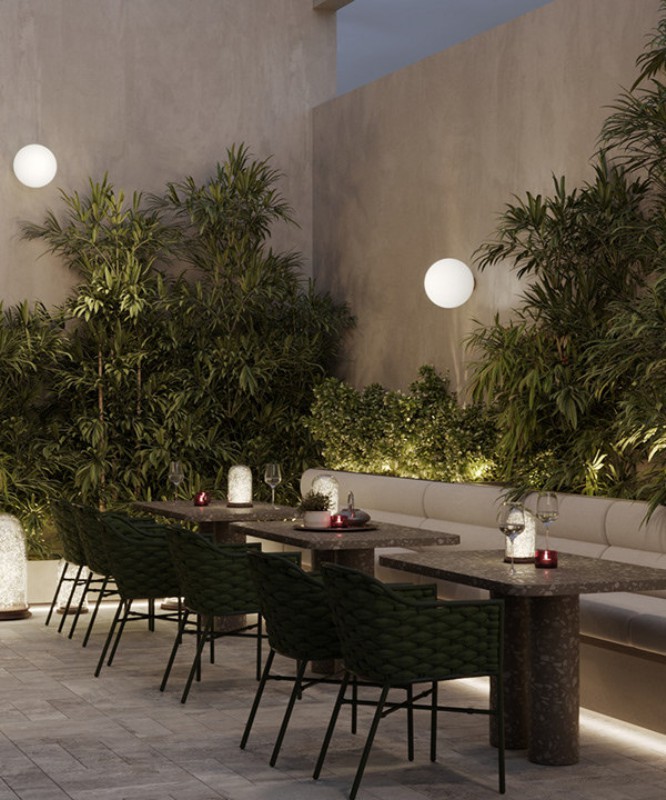
The city itself has a very slow pace, with locals still leisurely drinking coffee and chatting at two or three in the afternoon. I recommend not scheduling your itinerary according to Spanish or other countries’ timetables, as shops here in Roma Parma score records have long midday breaks, usually reopening around 4 PM. The guesthouse I stayed at on Via Farini was just a ten-minute walk to the Cathedral, surrounded by many traditional taverns and food shops.
Rome: A Modern Metropolis Among Ancient Ruins
The train ride from Parma to Rome takes about four hours, and tickets can be much cheaper when booked in advance. Rome gives a completely different feeling - it’s a city that integrates ancient ruins into modern life, reflecting Roman era New Parma city history. You might be drinking an espresso in a modern café, then turn a corner to find Roman columns from two thousand years ago.
| Attraction Name | Suggested Visit Time | Ticket Price |
|---|
| Colosseum | 2-3 hours | 16 euros |
| Vatican Museums | Half day | 17 euros |
| Trevi Fountain | 30 minutes | Free |
| Pantheon | 1 hour | Free |
I originally planned to stay in Rome for only three days, but ended up extending it to a week. The Trastevere district was my favorite area - street performers in the evening were wonderful, and the restaurants made authentic carbonara. I should mention that restaurant quality in tourist areas varies greatly and prices are high; I recommend walking a few more blocks to find smaller places where locals eat.
Practical Advice and Comparisons
Regarding transportation, Parma’s city center is small enough to explore on foot. Rome requires purchasing daily public transport tickets; although the metro has only three lines, it covers the main attractions. Accommodation costs are noticeably higher in Rome - hotels of the same standard cost almost double what they do in Parma.
If time is limited and you can only choose one city, I’d make recommendations based on your interests: choose Parma if you love food and a quiet atmosphere, choose Rome if you’re more interested in history and culture. Of course, the ideal situation is to visit both cities like I did - they each have unique characteristics that complement each other. The train connections are very convenient, making it easy to visit both cities in sequence.
Finally, I must say that Italy’s coffee culture is truly worth experiencing. Standing at the bar for an espresso costs only about 1 euro, while sitting down might cost 3-4 euros. Locals typically drink standing up, quickly finishing before continuing with their day. These details are also very interesting parts of traveling.
