A friend of mine, who’s getting ready to apply to universities in Spain, recently asked me an interesting question: If I only speak standard Spanish, will I be fine studying at any university across the country? The answer might surprise you. Today, I want to dive into the topic of languages in Spanish higher education.
More Than Just ‘Spanish’ in Spain
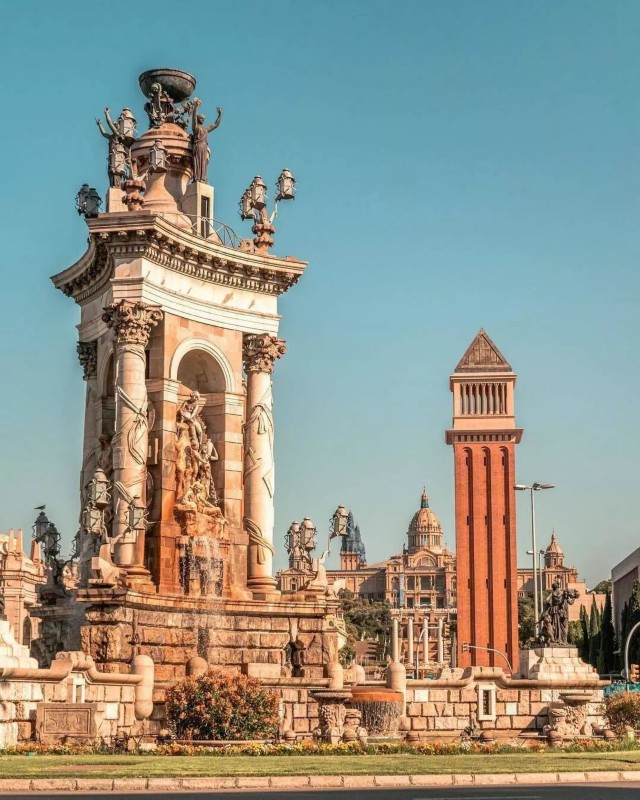
First, let’s be clear: the official language of Spain is Castilian Spanish, the language we typically learn. However, in autonomous communities such as Catalonia, the Basque Country, and Galicia, there are other co-official languages that play a vital role in the education system, a key consideration when choosing among Spanish university language schools. For example, if you walk through Barcelona, you’ll see many street signs and public notices written in both Catalan and Spanish.
Language Situation in Key Autonomous Communities
For us as international students, the biggest impact is the language of instruction at the university. If the university you’re applying to is in one of these regions, language becomes a critical factor in your decision. I’ve put together a simple table for a clear overview:
| Autonomous Community | Official Languages | University Instruction |
|---|
| Catalonia | Catalan, Spanish | Many public universities, especially in early undergraduate years, use Catalan for instruction. Professors might occasionally adjust based on the students in the class. |
| Basque Country | Basque, Spanish | The University of the Basque Country, similar to other top university language centers in Spain, provides options. It offers three instructional tracks: Spanish-only, Basque-only, and bilingual, allowing students to choose freely. |
| Galicia | Galician, Spanish | By law, Galician must be used in teaching, but the actual percentage varies by university and program. Spanish-taught classes remain the majority. |
Advice for Prospective International Students
So, what should you do? My advice is: Don’t panic, but do your research beforehand
! When applying for a university and program, make sure to visit the official course description page on the university’s website and carefully check the language of instruction. Most master’s programs, especially those designed for international students, usually offer courses taught entirely in Spanish or English. However, for undergraduate degrees, particularly at public universities, the probability of encountering the local language is much higher. If you’re set on a university in one of these regions but don’t speak the local language, it’s worth exploring programs at private universities or business schools, which tend to be more international. You can learn more about the language process for studying at a Spanish university
to better prepare. Of course, learning a bit of the local language can also be a great help for integrating into daily life!
Knowing only Spanish is perfectly sufficient for studying and living in most parts of Spain. However, when choosing your university, taking the extra step to confirm the language of instruction will definitely save you from potential trouble down the road. Have you encountered similar language issues while selecting a school? Or do you have any experiences studying in these regions? Feel free to share in the comments below!
