Hello everyone! I’ve noticed many posts on the forum discussing life and travel in Spain, so today I want to start a new thread on a more specific topic: the graduation requirements for Central South University’s joint program in Spain. As one of the earlier graduates from this program, I’ve run into some pitfalls and gained some experience. I hope to provide some valuable insights for future students to make your academic journey in Spain smoother.
Credit Requirements are Crucial
First and foremost, the thing everyone is most concerned about is credits. Don’t think you can just slack off completely once you arrive in Spain. Our graduation is subject to dual requirements: you must meet the credit requirements of Central South University and also complete the credits stipulated by the Spanish partner university. Be sure to confirm the credit conversion method with your academic advisor at the college beforehand. Failing a course not only affects your graduation but also involves a troublesome and expensive retake process. So, it’s best to ditch the idea of ‘picking easy courses to coast by’; taking every course seriously is the golden rule.
Language and Thesis
Besides course credits, language proficiency and the final thesis are the other two major hurdles. Language is particularly important; it’s not just a mandatory requirement for graduation but also key to understanding lectures, keeping up with Spanish university GPA requirements, and integrating into local life.
Summary of Specific Requirements
| Item | Basic Requirement | Notes |
|---|
| Language Proficiency | DELE B2 certificate or equivalent proof | This is a mandatory requirement for most arts and social sciences majors according to the general requirements for Spanish universities. The admission requirements for Spanish universities might be slightly more lenient for STEM fields, but getting the certificate is highly recommended. |
| Thesis | Usually required to be written in Spanish | You must communicate with both your CSU advisor and your Spanish advisor during the topic selection phase to confirm the research direction and formatting requirements. |
| Academic Integrity | Plagiarism checks are very strict | Citations must be properly formatted. Don’t take any chances; the consequences of being caught for plagiarism are severe. |
Being proactive is crucial when studying in Spain. After assigning a task, professors rarely chase after you like teachers might in China. Therefore, time management skills are essential. I recommend emailing your professors often to communicate and visiting them during office hours for questions; they are very willing to help proactive students. Additionally, try to form study groups with local Spanish students. This not only improves your language skills but also helps you quickly understand their learning styles and ways of thinking.
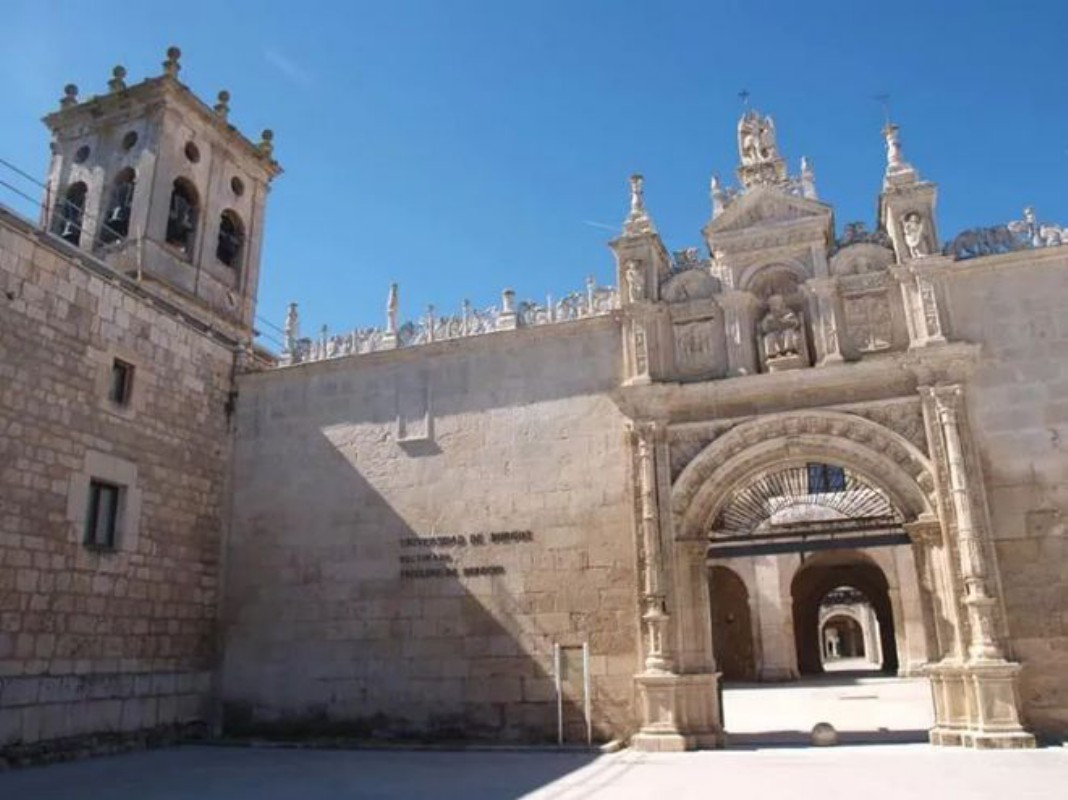
This experience in Spain will undoubtedly become a precious asset in your life, but that’s on the condition of a successful graduation. I hope the information I’ve shared is helpful. The program’s policies may have slight adjustments each year, so the most accurate information will always be the official announcements from the university. Feel free to add your thoughts or ask questions in the comments below. Let’s discuss together!
