Palma Mediterranean Series: Exploring Coastal Life and Cultural Charm in Mallorca’s Capital
I’ve been living in Palma for a while recently and wanted to share the real face of this Mediterranean city with you. As the capital of Mallorca, Palma features both a historic old town and a modern seafront promenade. The pace of life is much slower than Barcelona, yet not as quiet as a small town.
Daily Rhythm of the Old Town
Palma’s old town is truly perfect for walking, with narrow cobblestone streets lined with various shops and cafés. Around nine in the morning, locals head to the market to buy fresh ingredients. Mercat de l’Olivar is my most frequent destination, where the seafood and ham quality are excellent. The area near the cathedral attracts more tourists, but walking a bit further in, you’ll find many small restaurants frequented by locals.
The Charm of Coastal Living
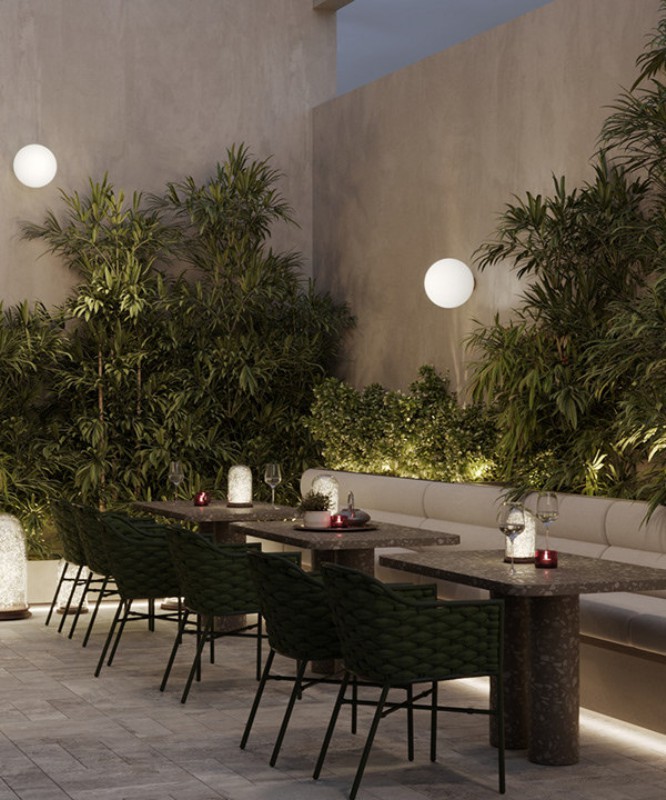
Palma’s seafront promenade, Paseo Marítimo, is where I go every evening. There are many restaurants and bars here, slightly more expensive than the old town, but the views are definitely worth it. On weekends, many families bring their children here to ride bicycles or roller skate. The Mediterranean sunset is truly beautiful, with around 8 PM being the best viewing time.
Below is a comparison of the main areas in Palma that I’ve compiled:
| Area | Characteristics | Suitable For | Price Level |
|---|
| Old Town | Historic buildings, rich cultural atmosphere | Tourists interested in history and culture | Medium |
| Seafront | Modern, great views | Families, young people | Higher |
| Santa Catalina | Artistic vibe, vibrant nightlife | Young crowd | Medium-High |
| Son Armadams | Residential area, quiet | Long-term residents | High |
Food and Restaurant Recommendations
Palma offers diverse dining options, from traditional Mallorcan cuisine to modern fusion dishes. I won’t recommend those restaurants that only cater to tourists. I prefer going to the Santa Catalina area, where there are many cost-effective small restaurants. Tapas generally cost 3-5 euros per portion, and main courses around 12-18 euros. On weekends, I recommend booking in advance as locals also enjoy dining out.
Cost of Living and Practical Information
Regarding the cost of living, Palma is somewhat cheaper than Madrid and Barcelona, but as a tourist city, prices in certain aspects are still on the higher side. For supermarket shopping, Mercadona and Lidl are more affordable options. For housing, a one-bedroom apartment in the city center costs around 800-1200 euros per month, while areas slightly further out are 200-300 euros cheaper.
For transportation, Palma has a bus system with single tickets at 1.5 euros and monthly passes around 40 euros. However, the city isn’t large, and many places are reachable on foot or by bicycle. If you want to visit other parts of the island, renting a car is more convenient, costing approximately 30-50 euros per day on weekends.
Palma is a very livable city, combining the Mediterranean’s relaxed atmosphere with sufficient modern facilities. If you’re also considering living here or taking an extended trip, feel free to exchange more information about experiencing life in this beautiful Mediterranean destination.
