Palma Living Guide: My Years in Mallorca’s Capital
After moving to Palma last autumn, I gradually fell in love with this Mediterranean city. As the capital of Mallorca, Palma offers both a historic old town and modern waterfront districts. The pace of life here is much slower than Barcelona, yet not as quiet as a small village. Today, I want to share my authentic living experience here.
Residential Environment and Community Atmosphere
Palma offers diverse residential options. Apartments in the old town typically feature traditional stone walls and wooden beams with historical charm, though summers can be quite hot. I live in the Santa Catalina district, close to the market, which gets lively on weekends. If you prefer tranquility, consider residential areas like Son Armadams or Terreno. Regarding rent, a one-bedroom apartment ranges from 700 to 1000 euros, depending on location and furnishings. Note that finding accommodation during peak season can be challenging, so start looking at least two months in advance.
Transportation and Getting Around
The city isn’t large, and many places are accessible by foot or bicycle. The bus system is quite comprehensive, with single tickets at 1.50 euros and monthly passes around 40 euros. My favorite way to commute is cycling along the waterfront promenade to work—watching the Mediterranean scenery every morning brightens my mood. If you need to visit other parts of the island, consider renting a car for convenient weekend road trips.
| Transportation | Best For | Approximate Cost |
|---|
| Bus | City commuting | Monthly pass 40€ |
| Bicycle | Short trips | Free/rental 15€/day |
| Car rental | Island travel | 30-50€/day |
| Taxi | Emergencies | Base fare 3.5€ |
Cuisine and Daily Expenses
Palma offers incredibly diverse dining options. The Santa Catalina market is my weekly must-visit, featuring fresh seafood, fruits, and vegetables at prices lower than supermarkets. The local specialty ensaimada is worth trying—Forn des Teatre makes the most authentic version. For daily meals, a simple lunch costs about 10-15 euros, while weekend restaurant paella averages 25-35 euros per person. Some say Palma is expensive, but I find it considerably cheaper than Barcelona.
Cultural Activities and Leisure
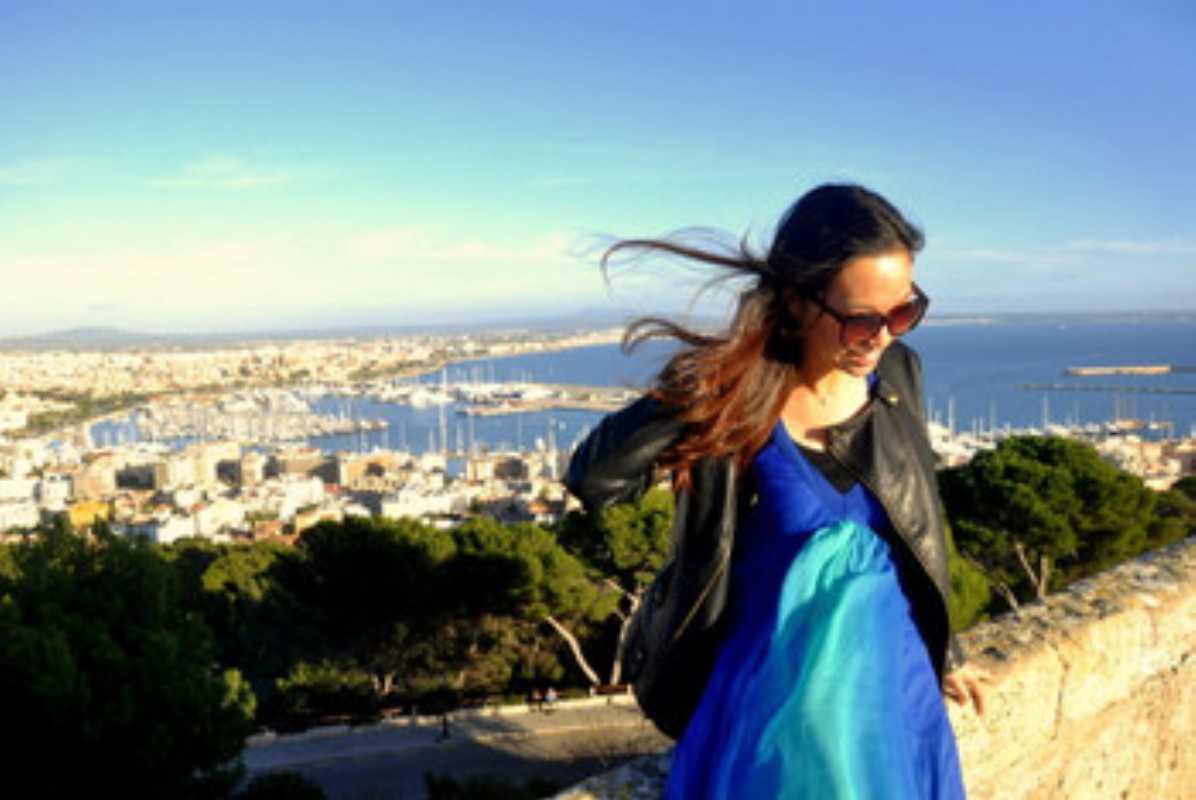
Cultural life here is richer than I expected. The old town features numerous small art galleries and independent bookstores, and Es Baluard Museum of Modern and Contemporary Art regularly hosts excellent exhibitions. During summer, the beachfront hosts open-air concerts and film screenings. My favorite pastime is Sunday morning hikes to Bellver Castle, where you can overlook the entire bay with stunning views. Additionally, Palma Cathedral’s architecture is truly breathtaking—worth visiting even for non-believers.
Palma is an ideal city for living. The climate is mild, winters aren’t too cold, and while summers are hot, the sea breeze makes it comfortable. People here have a relaxed attitude, prioritizing life enjoyment beyond work. If you’re considering moving here or planning a visit, feel free to leave comments—I’m happy to share more specific advice, including insights from my Palma food guide, Palma accommodation tips, and comprehensive Palma living guide.
