Hello everyone! Recently, many newcomers on the forum have been asking about the budget needed for a bachelor’s degree in Spain, which is indeed a crucial step in planning to study abroad. I’ve been in Spain for several years, from my bachelor’s to my master’s, so I’m quite familiar with the costs and methods for studying at a Spanish university. Today, based on the latest information, I’ll give you a detailed breakdown of the real university costs, including potential university-related immigration expenses. I hope this helps you and your family with your planning.
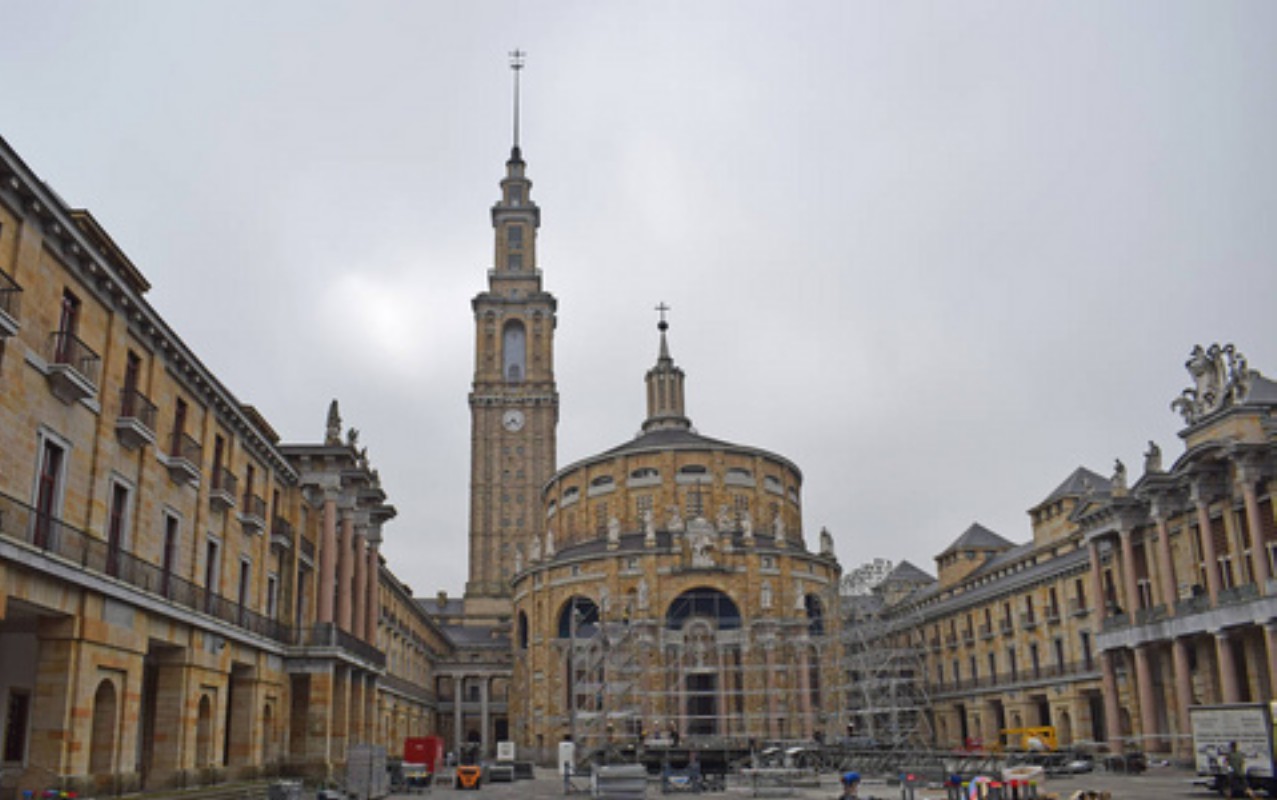
Public University Fee Breakdown
First, let’s talk about public universities, which most people are curious about. Public education in Spain is subsidized by the government, making it incredibly cost-effective. We don’t really use the term ‘tuition fees’; instead, we pay ‘registration fees’ (matrícula). The cost is calculated per credit. A typical bachelor’s degree consists of 240 ECTS credits, spread over 4 years, meaning you take 60 credits per year. The price per credit varies depending on the autonomous community and the ‘experimental level’ of the major. For example, Andalusia is relatively cheap, while Madrid and Catalonia are more expensive. Humanities are the cheapest, while STEM and medical fields are the most expensive. Generally, the price for a first-time registration of a credit ranges from €12 to €35. Therefore, under normal circumstances, the annual registration fee for a bachelor’s degree is between €700 - €2,500. However, be aware that if you fail a course and have to retake it, the second registration fee will be 1.5-2 times the original price, and the third will be even higher, just as with the costs for a master’s degree in Spain. So, you really need to study hard—try not to fail you absolutely must not fail!
Private University Fee Breakdown
Now let’s move on to private universities. Their fees are entirely market-driven; they set their own prices without government subsidies, so they are much more expensive. Private universities typically charge a flat fee for the entire academic year, rather than by credit. The cost varies widely, with annual tuition for a bachelor’s degree at a standard private university ranging from €6,000 to €20,000. Top-tier private universities like IE University, ESADE, and the University of Navarra, especially for business and management programs, will have even higher fees. Choosing a private university often comes down to its specific program strengths, international environment, or alumni network. You get what you pay for, so to speak.
Public vs. Private: A Quick Comparison Table
To give you a clearer picture, here’s a simple comparison table:
| Feature | Public University | Private University |
|---|
| Fee Structure | Per-credit basis | Per-academic-year basis |
| Cost Range | Approx. €700 - €2,500/year | Approx. €6,000 - €20,000+/year |
| Funding Source | Mainly government funding | Mainly student tuition |
| Admission Requirements | Primarily based on university entrance exam scores | More flexible; often includes independent exams and interviews |
| Learning Environment | Strong theoretical focus, emphasizes autonomous learning | Highly international, focuses on practical application and internships |
Don’t Forget Living Costs
Besides registration fees, living expenses are a major part of the study abroad budget. This amount varies greatly depending on the city and personal spending habits. In large cities like Madrid and Barcelona, renting a room in a shared apartment typically costs €400-€600 per month. Including food, transportation, communication, and other daily expenses, a total monthly budget of €900-€1,300 is quite standard. In mid-sized cities like Salamanca, Granada, or Valencia, the cost of living is significantly lower; €700-€900 a month is generally sufficient. This is just a rough estimate, and your actual spending will depend on your lifestyle.
Studying at a public university in Spain offers a highly competitive educational cost on a global scale. However, the final amount you spend depends on your choice of city, university, and major. I recommend that once you’ve chosen your target institutions, you go directly to their official websites and look for the ‘Admisión’ or ‘Matrícula’ sections to find the most accurate per-credit prices. Feel free to discuss this in the thread, and I encourage seniors studying across Spain to share your actual expenses to provide a reference for future students!
