For those of you just starting your studies in Spain, are you a bit baffled by the university holiday system here? Unlike the fixed winter and summer breaks common in some countries, Spain’s university holidays are quite flexible and numerous. As someone who’s been through it, I’m here to break it all down for you, so you can plan your… adventures—I mean, your studies and travels—in advance!
The Three Main University Holidays in Spain
1. Christmas Break (Vacaciones de Navidad)
This one is pretty much set in stone. It usually starts around December 22nd or 23rd and lasts until after Epiphany on January 6th or 7th of the new year. That’s about two and a half weeks. This holiday is mainly for family reunions, similar in spirit to the Chinese New Year. However, be aware that many students have their first-semester final exams scheduled after the Christmas break in January. So… you get the picture. It’s called a holiday, but it’s really a review week. Don’t get too caught up in the fun and forget about your exams!
2. Holy Week Break (Semana Santa)
This is one of Spain’s most important and distinctive religious holidays, and knowing the academic schedule, including Spanish university start dates, helps in planning around it. The timing isn’t fixed and changes every year, but it generally falls between late March and mid-April. The break usually lasts for about a week. Many cities host grand religious processions that are a must-see! This holiday is a great chance to relax in the first half of the year, perfect for planning a short trip to experience Spain’s rich cultural atmosphere.
3. The Long Summer Break (Vacaciones de Verano)
This is the main event
! The summer break at Spanish universities is seriously long—so long you’ll be amazed! Generally, second-semester classes end in late May, followed by final exams in June. Once exams are over, the summer holiday officially begins! It lasts all the way until the new academic year starts in mid-to-late September. That adds up to almost three full months!
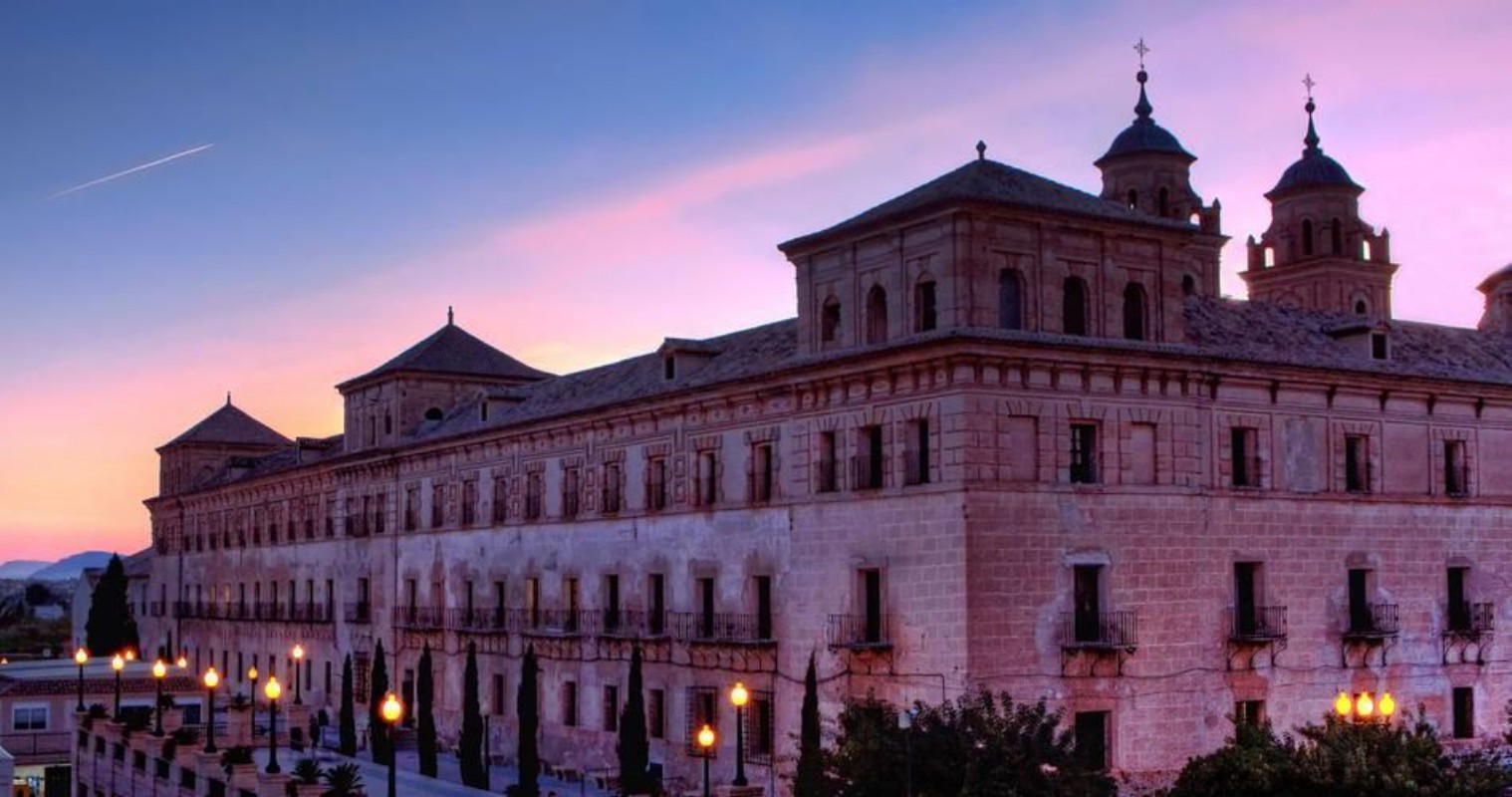
During these three months, you can choose to go back home, take an in-depth tour of other European countries, or find an internship to experience local work life. However, be aware that if you unfortunately fail an exam in June, many universities schedule resits in July or early September, so your summer plans might need to be adjusted, which can impact your overall Spanish university graduation dates
.
To give you a clearer picture, I’ve put together a general academic year timeline for most public universities. (For a detailed look at applying, check the Spanish university admission timeline).
| Time Period | Main Activities |
|---|
| Mid-September - Late December | First semester classes |
| Dec 23 - Jan 7 | Christmas Break |
| Mid-January - Late January | First semester final exams |
| Early February - Late May | Second semester classes |
| June | Second semester final exams |
| July - Mid-September | The long summer break |
Besides these three major holidays, Spain also has various national, regional, and city-specific holidays, like the National Day, All Saints’ Day, Labour Day, etc. If they fall on a weekday, universities will also close for the day. All these scattered days off add up!
The holidays at Spanish universities are long and frequent, making it perfect for students who love to “read thousands of books and travel thousands of miles.” You can check your university’s official website for the academic calendar to plan your holidays in advance. Feel free to leave a comment below to share your university’s unique holiday schedule or any fun holiday experiences!
