Lately, I’ve been thinking about pursuing a master’s degree to advance my skills, but I don’t want to quit my current job. This led me to research online master’s programs at Spanish universities. I found the information on this topic to be a bit scattered, so I’ve compiled my findings to share with you all. I’m also hoping this post will encourage others with experience to weigh in.
The biggest advantage of an online master’s is flexibility. You don’t have to move or quit your job; as long as you have a computer and an internet connection, you can attend class from anywhere. This is a huge benefit for those of us who have jobs or families and can’t commit to full-time, on-campus studies. Furthermore, when applying for a master’s degree at a Spanish university, the cost is significantly lower compared to on-campus programs. You save a substantial amount on tuition and living expenses, as you don’t have to worry about rent and transportation in major cities like Madrid or Barcelona, greatly reducing financial pressure.
The downsides are also clear. The main challenge is self-discipline. Without the classroom atmosphere and the presence of classmates, it’s very easy to get distracted while studying alone in front of a screen. Additionally, the lack of face-to-face interaction with professors and peers can diminish the learning experience for some Spanish university master’s programs, especially those that rely heavily on group discussions or practical work. As for the concern many have about the degree’s value, I don’t think it’s a black-and-white issue. The idea that an online master’s degree will never be recognized is too absolute. The key factors are whether you’re pursuing an official master’s degree (Máster Oficial) and your own capabilities upon graduation.
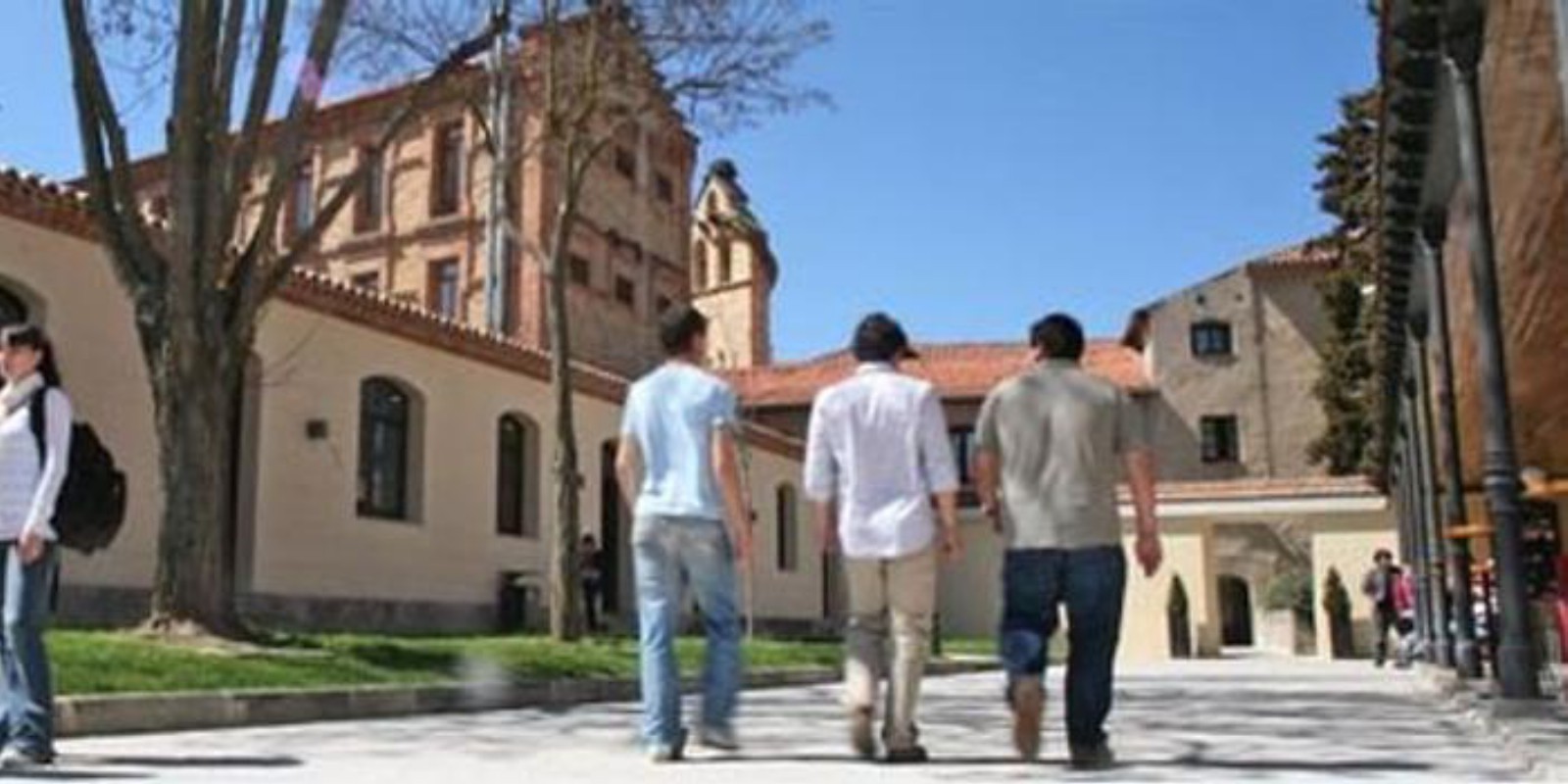
A Few Universities Offering Online Master’s Degrees
I’ve spent some time researching a few well-known universities and created a simple table. The information may not be perfectly accurate, but it should give you a general reference.
| University Name | Features | Estimated Tuition |
|---|
| UNED | Spain’s oldest distance learning university; comprehensive and affordable programs. | €2,000 - €4,000/year |
| UOC | Mature teaching model, user-friendly platform, high international recognition. | €3,000 - €6,000/year |
| VIU | Private university with innovative programs and good student services, but higher tuition. | €5,000 - €9,000/year |
| UDIMA | Another well-known private distance learning university, strong in business and law. | €4,000 - €8,000/year |
Some Application Tips
Finally, here are a few tips for those of you who are also considering this path. Before applying, make sure you understand the difference between a Máster Oficial and a Título Propio
! The Máster Oficial is accredited by the Spanish Ministry of Education, recognized across Europe, and generally eligible for credential evaluation in other countries. The Título Propio, on the other hand, is a university-specific degree that is more focused on practical, job-oriented skills and may not be officially recognized everywhere. Additionally, language proficiency is a firm requirement. Even for online programs, most courses are taught in Spanish, and you will typically need to provide a DELE B2 or SIELE B2 certificate or higher. While considering your application, you might also be interested in learning about stipends for master’s students in Spain
. I hope this information is helpful, and I welcome any corrections or additional insights from those with experience!
