Lately, I’ve seen many folks on the forums asking about applying for STEM programs, and I feel like humanities students are getting a bit left out, haha. As a senior student currently pursuing a humanities master’s in Spain, I wanted to start a thread to talk about our experiences and the whole application process. Hopefully, this can be a helpful reference for future students.
Why Choose Spain for a Humanities Degree?
Don’t ever think that studying humanities in Spain is a ‘second-best’ option. Quite the opposite, studying humanities in this country offers unique advantages. I don’t need to elaborate on how deep its history, art, and culture run, do I? Whether you’re studying Spanish philology, art history, or tourism management, you are surrounded by a ‘living textbook.’ Moreover, compared to the US or the UK, master’s tuition and living costs in Spain are significantly more affordable, offering incredible value. For students like us on a limited budget but eager to experience authentic European culture, it’s simply a perfect choice.
Application Difficulty and Requirements
A common myth: Is it easier to get into a humanities master’s program than a STEM one? My feeling is, not necessarily. The competition might not be as fierce as for some popular engineering programs when it comes to applying for a master’s at a Spanish university, but the requirements for your ‘soft profile’ are very high. Your undergraduate major’s relevance, the quality of your motivation letter, and your language proficiency are all decisive factors. In terms of language, a DELE B2 is almost the minimum requirement, but if you’re aiming for a top program at a leading university, an impressive C1 certificate will make you stand out.
Here’s a quick comparison of application materials for different types of Spanish university master’s programs that you can use as a reference:
| Requirement | Top Public University | Standard Public University |
|---|
| Language Proficiency | DELE C1 strongly recommended | DELE B2 or SIELE B2 |
| University GPA | The higher, the better; 85+ recommended | 75-80+ is worth a try |
| Motivation Letter | Extremely important, must show academic potential | Important, needs to be logical and clear |
| Recommendation Letters | 2 academic letters are best | 1-2 letters, requirements are more flexible |
Top Universities and Program Recommendations
When it comes to powerhouses in humanities, the ‘big three’ must be mentioned: Complutense University of Madrid (UCM), the University of Barcelona (UB), and the University of Salamanca. UCM’s flagship programs are in journalism, linguistics, and literature; UB is renowned for art history and archaeology; and as Spain’s oldest university, Salamanca’s research in Spanish philology is considered legendary. When considering such programs, it’s also worth looking into the general stipends for master’s students in Spain.
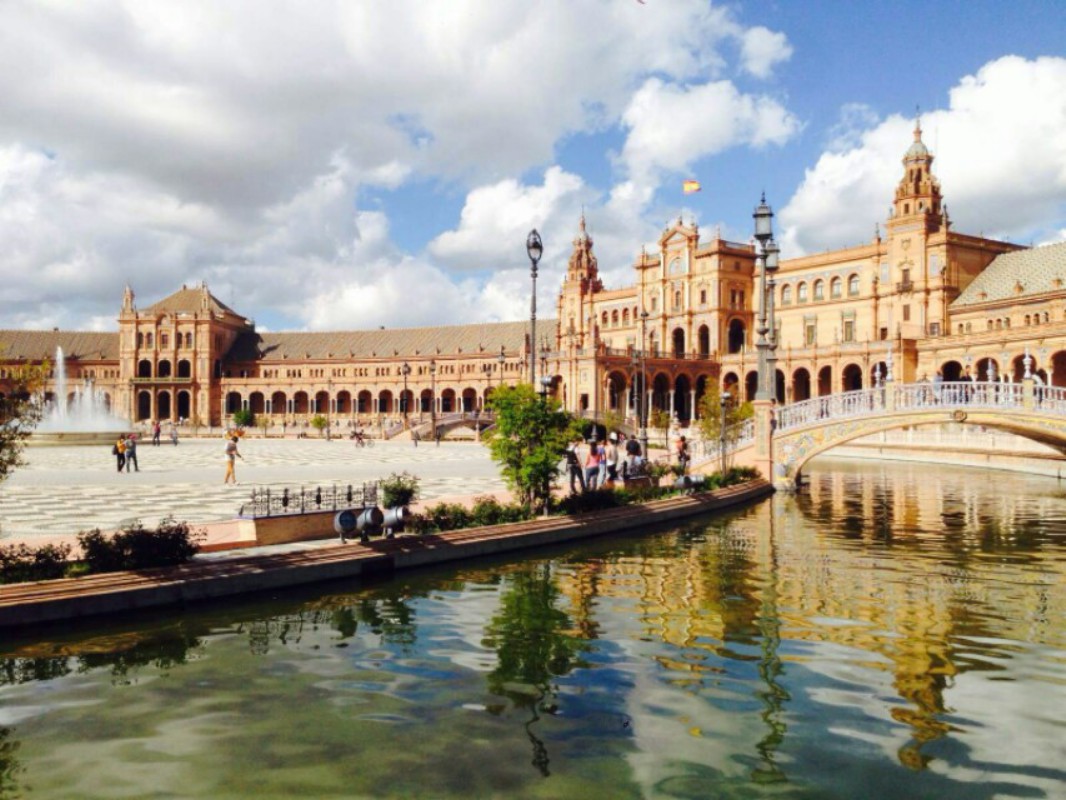
Besides these, other unique options include the Faculty of Translation and Interpreting at the University of Granada and Flamenco studies at the University of Seville. The key is to follow your own interests and career plan.
Career Paths After Graduation
Let’s talk about the most practical question: what can you do after graduation? To be honest, career paths in humanities aren’t as clear-cut as, say, for a programmer, but that doesn’t mean there are no options. Your biggest advantage is your language skill. You can choose to return to your home country to become a Spanish teacher, or work in the tourism industry, foreign trade, or cultural institutions. If you decide to stay in Spain, there are also plenty of opportunities, such as working for companies targeting the Chinese market, international schools, as a translator, or even using local resources to become a content creator. Most importantly, it’s crucial to have a realistic mindset, plan ahead, and gain internship experience and network while you’re still studying.
Studying a humanities master’s in Spain is an option with great value for money, but it’s by no means an easy shortcut. It requires a genuine passion for the country and its culture. Are there any specific programs you’re interested in? Or do you have any tricky questions about the application process? Feel free to leave a comment below to discuss! ¡Vamos
!
