Hey everyone on the forum! I’ve seen a lot of prospective students asking about STEM majors lately. Since I’m currently studying Electrical Engineering myself, I thought I’d start a thread to talk about what it’s like to study this major in Spain and provide some reference for future students. This is purely my personal experience, and I welcome any additions from the experts here!
What Do You Study in a Bachelor’s in Electrical Engineering in Spain?
Simply put, this major deals with everything related to “electricity.” It’s somewhat similar to the “Electrical Engineering and its Automation” major common in China, but not entirely the same. The core curriculum revolves around three main areas: Power Systems, Electric Machines and Apparatus, and Power Electronics. Of course, math and physics are the absolute foundation; the first-year calculus and linear algebra courses are challenging enough to make you question your life choices. Basically, you need to be prepared to battle with formulas and lab reports for four years, and it might be worth looking into Spanish university foundation programs to get ready.
Top Universities and Curriculum
When it comes to top engineering schools in Spain, you can’t miss the Universidad Politécnica de Madrid (UPM) and the Universitat Politècnica de Catalunya (UPC), which are the absolute top dogs in the electrical field. Of course, universities like the Polytechnic University of Valencia (UPV) and the University of Seville also have excellent programs. The curriculum focus might vary slightly between schools, but the core concepts are largely the same. Here’s a sample of a basic curriculum I’ve put together:
| Year | Sample Core Courses |
|---|
| Year 1 | Calculus, Linear Algebra, Physics, Chemistry, Fundamentals of Computer Science |
| Year 2 | Circuit Theory, Electromagnetic Fields, Analog Electronics, Thermodynamics |
| Year 3 | Electric Machines, Power System Analysis, Automatic Control Principles, Power Electronics |
| Year 4 | Renewable Energy, High Voltage Technology, Final Year Project, Internship |
The workload is really intense, especially during exam weeks when living in the library becomes the norm. But the sense of accomplishment is huge, like when you build a circuit from scratch and see the light bulb turn on, or simulate a small power grid using software. This major heavily emphasizes practical skills, with tons of lab sessions and group projects, so communication and teamwork skills are crucial—an important aspect of the entire Spanish undergraduate degree experience. Although sometimes you get stuck with terrible teammates.
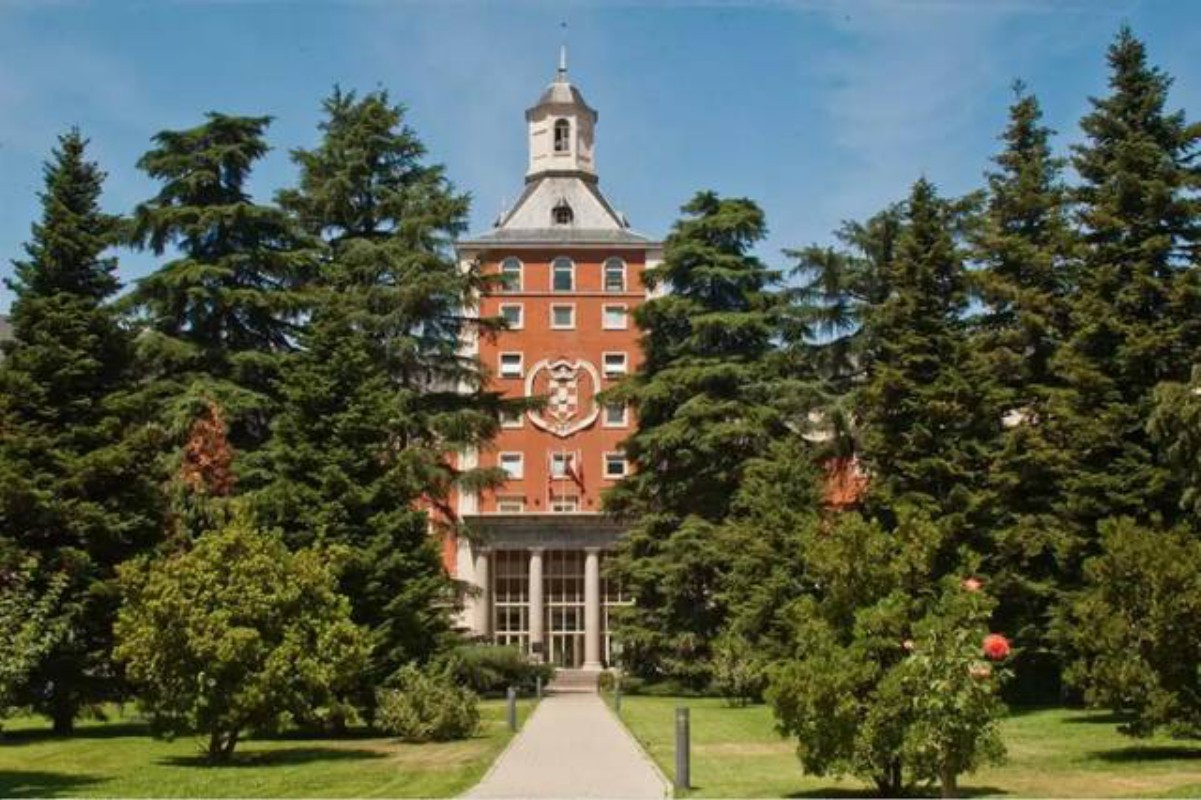
These big guys in the picture above will be our daily companions.
Finally, let’s talk about job prospects, which everyone cares about. Spain is currently investing heavily in renewable energy, like wind and solar power. Consequently, electrical engineers, especially those specializing in power systems and new energy, are in high demand—a very positive aspect of pursuing a Spanish undergraduate education in this field. After graduation, you can aim for jobs at energy giants like Iberdrola and Endesa, multinational corporations like Siemens and ABB, or various engineering consulting firms. Overall, it’s a hardcore major that’s tough to study, but the career outlook is very bright.
Does anyone have any more questions about the Electrical Engineering major? Or if you’re also a current student, feel free to share your experiences here!
