For those of you who’ve just received your offer and are preparing to come to Spain, are you already scratching your head over accommodation? Dorm or private rental, it’s the eternal question. Dorms can be prohibitively expensive, while renting on your own comes with the fear of pitfalls. Today, as someone who’s been through it all, I’m here to do a deep dive into the real costs of university dorms in Spain to give you a clear reference.
Types of University Dorms in Spain and Their Differences
First, it’s important to understand that there are two main types of university dorms in Spain: the Colegio Mayor and the Residencia de Estudiantes. Simply put, a Colegio Mayor is more traditional, similar to a “residential college.” In addition to providing lodging and meals, it hosts numerous cultural, academic, and sports activities, fostering a strong sense of community. Of course, it’s also the priciest option. A Residencia, on the other hand, is more of a straightforward student residence, offering different standards of accommodation services, such as co-ed university dorms in Spain. Some are all-inclusive with meals, while others are not, providing greater flexibility and more affordable prices.
Dormitory Cost Reference for Major Cities
The cost of a dorm is influenced by several factors, including the city, location, room type, and whether meals are included. As the two main metropolises, Madrid and Barcelona naturally have the highest prices in the country. In contrast, university cities like Salamanca, Granada, and Valencia offer much better value. I’ve compiled a rough monthly price range to give you a clear idea:
| City | Colegio Mayor Monthly Fee | Residencia Monthly Fee |
|---|
| Madrid | 1200 - 1800€ | 900 - 1400€ |
| Barcelona | 1100 - 1700€ | 850 - 1300€ |
| Valencia | 800 - 1200€ | 650 - 900€ |
| Salamanca | 750 - 1100€ | 600 - 850€ |
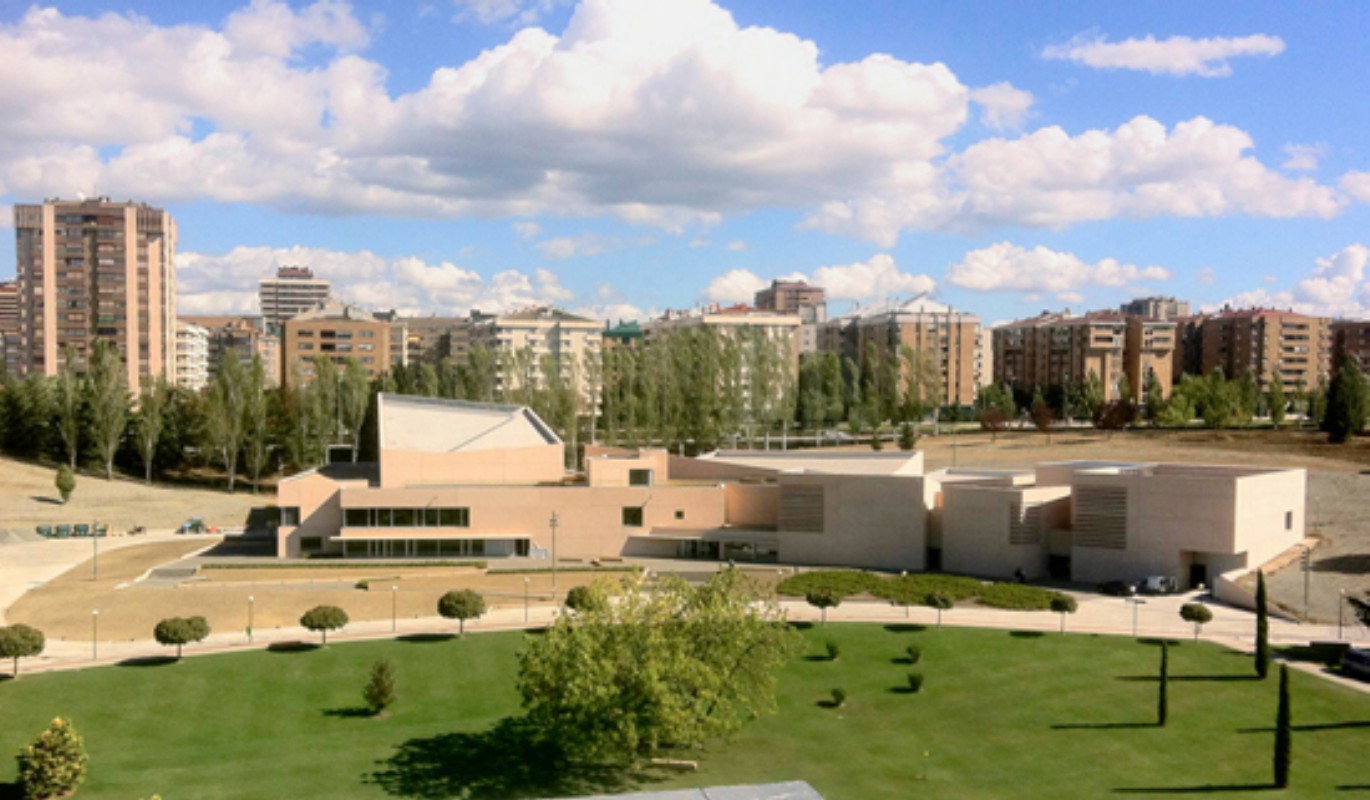
Take Madrid, for example. A Colegio Mayor in a decent location with good facilities, offering a single room with full board, can easily cost over €1300 per month. For a Residencia, a single room with a private bathroom but without a meal plan could still be around €800-€1000. These dorms typically look something like this:
The biggest advantage of living in a dorm is the convenience and peace of mind. They are move-in ready, secure, and an excellent way to quickly integrate into the local student community and practice your Spanish. However, the downsides are also obvious: they are expensive, and offer relatively little freedom. For instance, Spanish university dorms often have strict rules about having friends stay overnight, and some even have curfews. In comparison, sharing an apartment could save you several hundred euros a month, but then you have to handle contracts, utility bills, and the various challenges of living with roommates—a stark contrast to the structured environment of university dorms in Spain. It can be a bittersweet experience. So, the choice really comes down to your personal budget and personality! Hope this information is helpful, and feel free to join the discussion!
