When I first came to Spain, I kept hearing about the university’s ‘Rector.’ I was curious: is this the same as what we’d call a ‘President’ or ‘Principal’ back home? After digging into Spanish university master’s programs, I found out there’s quite a bit to it. Today, I want to share what I’ve discovered.
The head of a Spanish university isn’t called a President or Principal, but a Rector. The term, derived from Latin, means ‘ruler’ or ‘guide,’ which already sounds academically authoritative. They are not just administrative managers but, more importantly, symbols and guardians of the academic spirit. That’s why, when you check out these links to official Spanish university websites, you’ll find that the vast majority of Spanish university rectors are senior professors, renowned figures in their respective fields of research.
The most interesting part is that rectors of public Spanish universities are chosen by election! That’s right, they aren’t appointed by a higher authority but are voted in by the entire university community for a term that is typically four or six years. The voting power is weighted according to different groups, roughly like this:
| Voting Group | Voting Weight |
|---|
| Tenured Professors and Associate Professors | 51% |
| Other Teaching and Research Staff | 15%-20% |
| Students | 25% |
| Administrative and Service Staff | 5%-10% |
See that? Students have a say too! Although their vote doesn’t carry as much weight, it can be decisive in a close election.
Powers and Responsibilities of the Rector
So, what powers does an elected Rector hold, especially in the context of international schools within Spanish universities? Simply put, they are the university’s ‘number one spokesperson’ and ‘chief navigator.’
Key Responsibilities Include
- Officially represent the university: Signing all official documents and attending important events.
- Lead the academic direction: Having the final say on the university’s teaching and research focus.
- Manage finances and personnel: Overseeing budget approvals and key staff appointments.
- Maintain university order: Ensuring the smooth operation of the institution and academic freedom.
Basically, they have to manage everything, big and small. The pressure must be immense.
For example, the rector of the historic University of Salamanca is highly respected not just in Spain, but throughout Europe. You need real expertise to lead such a prestigious academic institution.
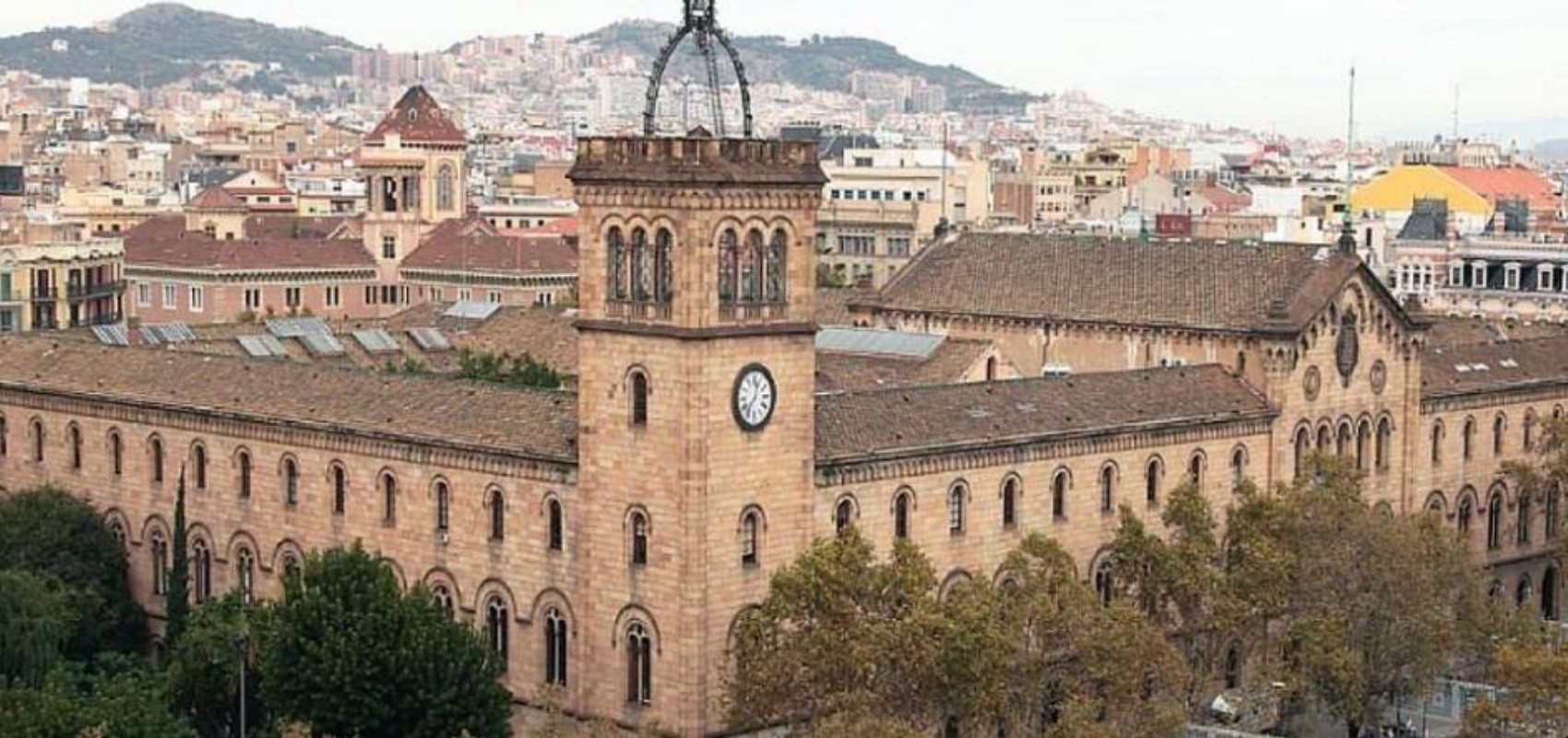
All in all, the Spanish rector system reflects a strong tradition of academic autonomy and democracy. Are you familiar with your university’s Rector? Or have you experienced anything interesting during an election period? Feel free to share in the comments below!
