Recently, I’ve seen many discussions in online forums about our children’s education. For kids who have grown up in Spain, choosing between fully integrating into the local university system or pursuing a more international education can be a tough decision. I’ve done some research lately and found that many top Spanish universities have established what you might call ‘international schools’ or programs within their own structures. Today, I’d like to share what I’ve learned to get the conversation started.
What Exactly Are These ‘International Schools’ Within Universities?
First, let’s be clear: when we talk about ‘international schools’ here, we’re not referring to independent international universities like those you might find in the UK or the US. Instead, these are special departments or programs established by Spanish public or private universities to attract international students and meet the demands of globalization. Their key features typically include: courses taught in English or bilingually in English and Spanish, a curriculum with a strong international and practical focus, and a diverse student body from all over the world. Examples include the bilingual degree programs at Charles III University of Madrid (UC3M) or highly internationalized private elite institutions like IE University.
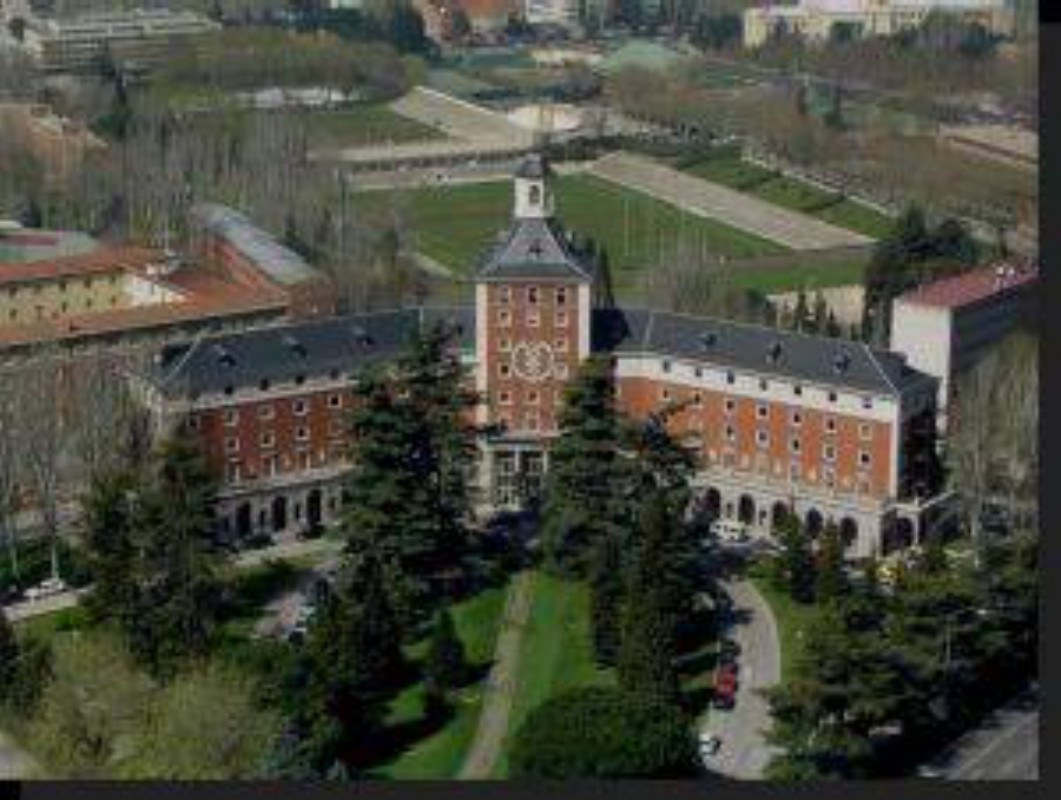
Advantages and Things to Consider
The biggest advantage of this model is clear: your child can receive an internationally aligned higher education without having to leave Spain, avoiding language barriers and gaining a competitive edge whether they stay in Spain or move to another country after graduation. Furthermore, teaching methods like small class sizes and case-study analysis, which are more common in master’s programs in Spanish universities and less so in traditional public undergraduate programs, are excellent for developing personal skills. However, the drawbacks are just as significant, the main one being tuition fees. Private international universities like IE and ESADE are very expensive. Even at a public university like UC3M, the fees for bilingual programs are higher than for standard Spanish-taught degrees. Additionally, some parents worry that their children might form an ‘international student bubble,’ becoming somewhat disconnected from local Spanish society, although I believe this largely depends on the individual.
To give you a clearer picture, I’ve put together a simple comparison table based on what I’ve found, using a public and a private university as examples:
| Feature | Charles III University of Madrid (UC3M) | IE University |
|---|
| Type | Renowned public university | Top-tier private university |
| Language | Spanish, English, Bilingual degrees | Primarily English |
| Tuition | Relatively affordable | Very expensive |
| Atmosphere | Strong academic focus, more grounded | Elite, networking-focused |
This path serves as a middle ground between a purely Spanish education and studying abroad. It offers a platform to connect with the world without leaving the country, but it also requires a significant financial investment from the family and a careful weighing of the pros and cons. You can research specific requirements through these official Spanish university links, and it’s worth considering the debate on whether these international programs at Spanish universities are elite education or just a costly alternative. I’m curious if there are any current students or experienced parents in this forum who can share their insights. Please feel free to add information and share your thoughts and experiences!
